
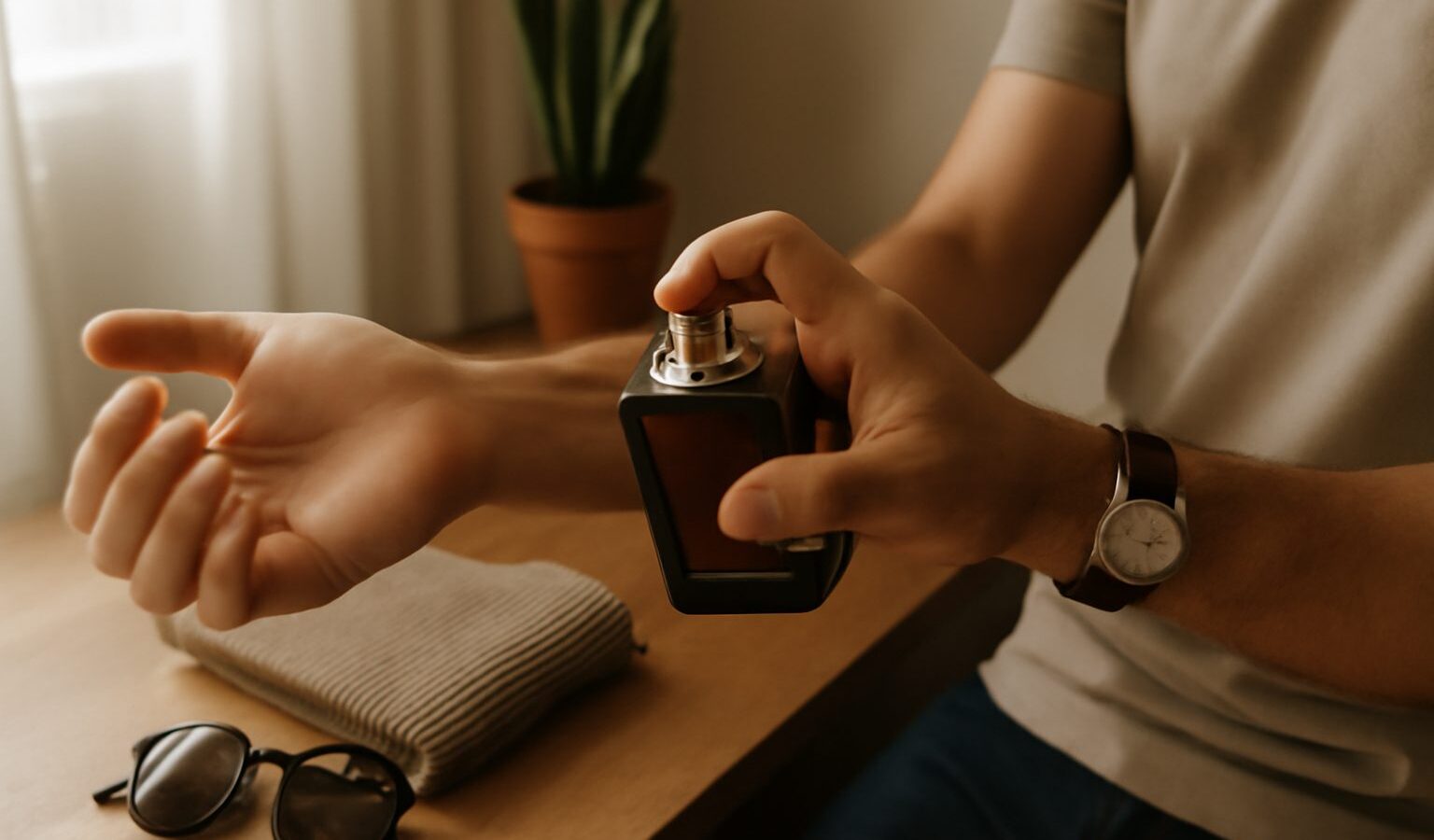
Buying a fragrance for the first time can feel oddly intimidating, full of French words, confusing bottles and prices that swing wildly. It does not have to be. A good men’s fragrance is simply a scent you enjoy, that suits the occasion, and that behaves well in the weather you actually live in. That last point is where Singapore changes the rules. Heat and humidity make scent bloom faster and fade differently than in a cool climate, so what works in a magazine shot in Paris may feel very different on a sticky afternoon here. This beginner-friendly guide explains concentrations, scent families, how our climate affects fragrance, and how to apply it so you smell good without overwhelming the lift.
Understanding Concentrations: EDT, EDP and the Rest
The words on a bottle are not marketing fluff. They tell you how much scented oil is mixed into the alcohol base, which affects strength and how long it lasts. Higher concentration usually means a richer, longer-lasting scent, and often a higher price.
Here are the common terms, from lightest to strongest:
- Eau de Cologne (EDC): the lightest, freshest and shortest-lived. Bright and easy, but you may need to reapply through the day.
- Eau de Toilette (EDT): a popular everyday strength. Lighter and airier, which can be a real advantage in the heat. It typically lasts a few hours.
- Eau de Parfum (EDP): richer and longer-lasting, with more oil. It projects more and clings longer, which can be lovely in the evening but heavy at noon.
- Parfum or Extrait: the most concentrated and longest-lasting, usually the priciest, and best applied sparingly.
For a first fragrance in Singapore, an EDT or a lighter EDP is often the most forgiving choice. A heavy EDP is not wrong, but in humidity it can feel like a lot, so you would apply less. There is no rule that stronger is better. The right concentration is the one that suits your day, your setting and how much presence you want.
Getting to Know the Scent Families
Rather than memorising individual bottles, it helps to understand the broad families a scent can belong to. Most fragrances blend a few, but one character usually leads. Knowing which families you gravitate towards makes shopping far easier and cuts down on expensive mistakes.
- Fresh and citrus: lemon, bergamot and grapefruit notes that feel clean, light and energising. These tend to suit hot, humid days because they feel crisp rather than cloying.
- Aromatic and fougere: herbal, green notes like lavender, sage and a mossy backbone. A classic, versatile, often barbershop-clean character.
- Woody: cedar, sandalwood and vetiver, giving warmth and a grounded, understated feel. Versatile from office to evening.
- Spicy and oriental: warm notes like cardamom, pepper, amber and incense. Rich and cosy, these can feel intense in the heat, so they often shine after dark or in air-conditioned settings.
- Aquatic and marine: breezy, water-like freshness that reads as clean and modern, another climate-friendly option.
None of these is more masculine than another. Scent has no gender rules, only preferences. Sniff widely, note what you keep returning to, and let that guide you rather than trends.
How Heat and Humidity Change a Fragrance
This is where Singapore really matters. Fragrance is designed to warm on the skin and lift into the air. Our climate speeds all of that up. Heat makes the top notes evaporate faster, so a scent can smell strong the moment you spray it, then shift quickly. Humidity holds scent molecules in the damp air around you, which can make a fragrance feel bigger and closer than it would in a dry, cool room.
The practical effect is that a fragrance that feels moderate in a temperate country can feel loud here, especially the richer, sweeter, spicier ones. Sweat and heat can also skew how a scent smells on you, sometimes turning sweet notes cloying by midday.
A few grounded points to keep in mind:
- Lighter, fresher scents generally wear more comfortably in the day. Save the heavy, warm ones for evenings or cooler, air-conditioned spaces.
- Apply less than you think you need. In humidity, a scent projects further, so restraint is your friend.
- Expect faster fading of the fresh top notes. A light reapply after lunch is normal and better than drenching yourself in the morning.
Reading a Bottle: Comparing the Common Concentrations
When you are standing in a shop weighing options, a quick side-by-side helps. Actual performance varies by scent and by your skin, so treat this as a general guide, not a guarantee.
| Concentration | Relative strength | Typical longevity | Best for humid Singapore |
|---|---|---|---|
| Eau de Cologne | Lightest | Shortest | Quick daytime freshness, frequent reapply |
| Eau de Toilette | Light to moderate | A few hours | Everyday wear in the heat |
| Eau de Parfum | Rich | Longer | Evenings, or daytime applied sparingly |
| Parfum or Extrait | Strongest | Longest | Special occasions, a small amount only |
Use this to set expectations, then always test on your own skin. The same bottle can smell noticeably different on two people, because your skin’s chemistry, oiliness and even diet play a part.
Applying Fragrance the Right Way
How you apply matters as much as what you buy. The aim is a scent that people notice when they are close, not one that announces you from across the room.
- Start on clean, moisturised skin. Fragrance clings better to hydrated skin, so a light, unscented moisturiser first helps it last, which is useful when heat burns it off quickly.
- Spray onto pulse points. Warm spots like the neck, behind the ears, the chest and the inner wrists help the scent lift gently through the day.
- Do not rub your wrists together. That crushes the delicate top notes and can make the scent fade faster. Just let it dry naturally.
- Keep it modest. Two or three sprays are plenty for most fresh scents in our climate. You can always add more, but you cannot take it back.
- Consider your clothes and hair with care. Scent can last on fabric, but some fragrances may stain delicate or light materials, so test first and keep sprays off silk.
- Carry a small option for topping up. A quick refresh after a sweaty commute beats overloading in the morning.
Store your bottles away from heat, sunlight and the bathroom’s humidity, since warmth and light degrade fragrance over time. A cool, dark drawer keeps them smelling true for longer.
A Sensible Way to Build Your Collection
You do not need a wardrobe of bottles to smell good. Begin with one versatile, fresh scent you genuinely enjoy and can wear most days. Once you know what you like, add a warmer or richer option for evenings and cooler settings. Testing before buying is the single best habit. Try a scent on your skin, live with it for a few hours, and see how it behaves in the heat before committing, since a shop’s air-conditioning hides how it will really wear outside.
If your skin is sensitive or reacts to products, patch-test a new fragrance on a small area and stop if you notice redness, itching or irritation, and see a doctor or pharmacist if a reaction persists. Fragrance is meant to be a small daily pleasure, not a source of stress. Trust your own nose, keep it light in the humidity, and wear what makes you feel good.