
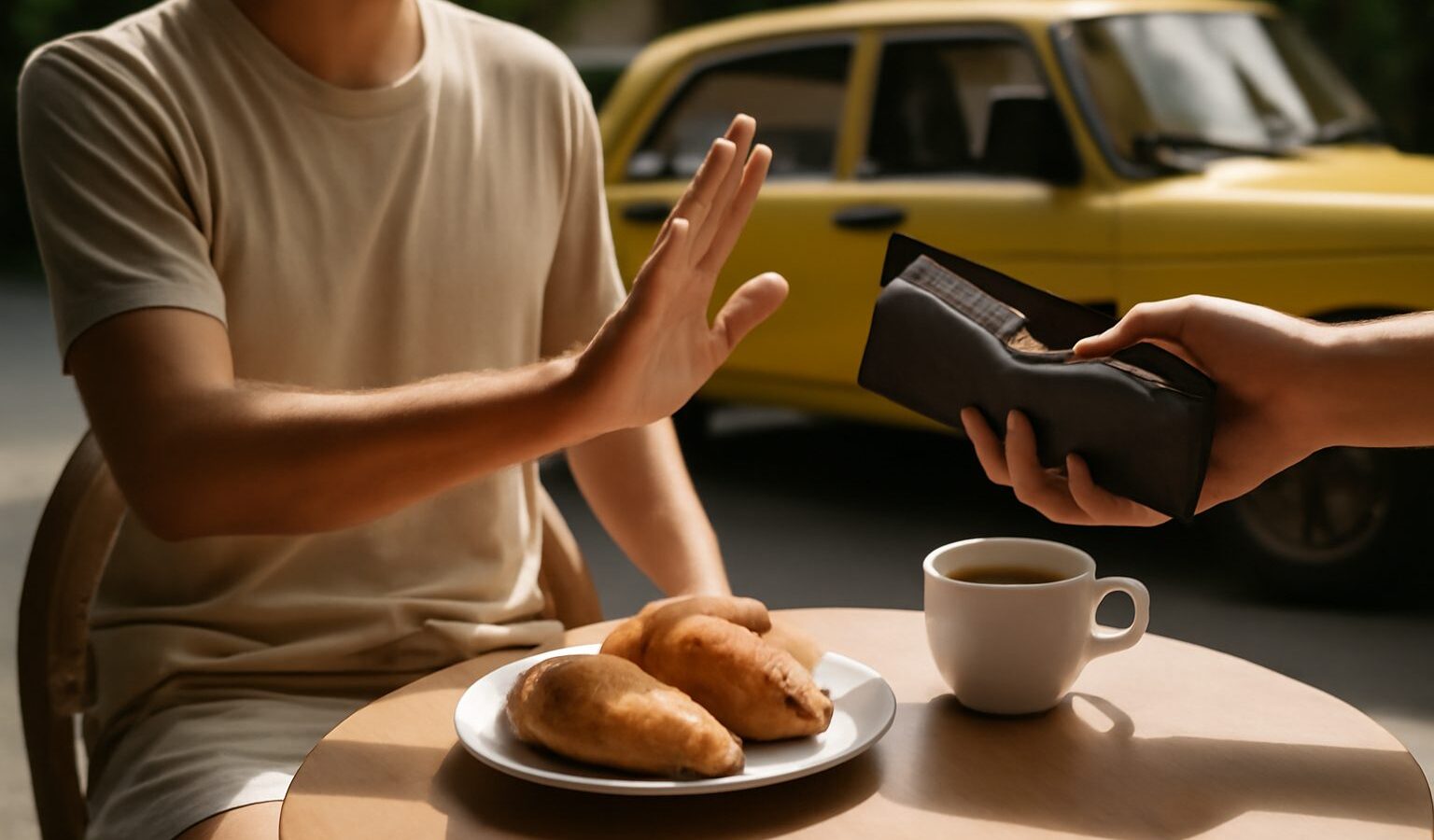
Half the fun of a trip is letting your guard down a little, wandering into a new neighbourhood, trusting a friendly stranger, saying yes to a last-minute detour. Unfortunately, that open, holiday mindset is exactly what opportunists in tourist areas rely on. Learning to recognise the most common travel scams abroad will not make you paranoid; it just means you can relax knowing you would spot the setup before it costs you. Most scams follow a small number of predictable scripts, and once you know the pattern you can see it coming a mile off.
This guide walks through the tricks that show up again and again across popular destinations, why they work, and the simple habits that keep your money, documents, and mood intact. None of it requires you to be suspicious of everyone. It just helps you tell the difference between genuine local warmth and a well-rehearsed hustle.
Why Tourists Get Targeted
Scammers do not pick tourists at random. Visitors carry more cash than usual, do not know local prices, cannot always read the language, and are unlikely to come back and complain or press charges. You are also usually in a hurry, tired from a flight, or distracted by a map, which makes you easier to rush into a bad decision.
The single most useful thing to understand is that almost every scam relies on creating urgency or confusion. A stranger invents a reason you must act right now, before you have time to think. The moment you feel pressured to decide instantly, whether it is a “special price only today” or an official demanding an on-the-spot fine, that pressure itself is the warning sign. Slow the whole thing down and most scams simply fall apart.
Being a calm, unhurried tourist is your best defence. Step aside, breathe, and give yourself permission to say no, walk away, or ask a second person before committing to anything.
Transport And Taxi Tricks
Getting from the airport to your hotel is where many trips go wrong in the first hour. Common transport scams include:
- The broken meter. The driver claims the meter is faulty and quotes a flat fare several times the normal rate. Agree on a metered ride or a fair price before you get in, or walk to the next car.
- The long way round. Drivers take a scenic detour to run up the fare. A navigation app running on your own phone quietly keeps them honest.
- The “your hotel is closed” story. The driver insists your booked hotel is full, closed, or bad, then offers to take you to a “better” one where they earn a commission. Your booking is fine; ask to be taken exactly where you asked.
- Unofficial airport touts. People approaching you inside the terminal offering rides are rarely the cheapest or safest option. Use the official taxi queue, a licensed rank, or a booked ride-hailing car.
Sort out your first ride before you land. Know the rough going rate from the airport, know whether the local taxis use meters, and have your hotel address saved offline so you never look lost.
Money, ATMs And Payment Traps
Anything involving cash and cards deserves extra care. A few classic moves to watch for:
- The card that never comes back. In shops or restaurants, insist the card machine is brought to you or that you walk to the counter, rather than letting your card disappear into a back room where it can be copied.
- Dodgy ATMs. Use machines attached to a bank branch during opening hours where possible. Give the card slot a gentle wiggle to check for a skimming device, cover the keypad as you type, and be wary of a stranger offering to “help” you at the machine.
- The dropped note. After you pay, the vendor swaps your large note for a smaller one and insists you underpaid. Say each note’s value out loud as you hand it over.
- Dynamic currency conversion. When a terminal offers to charge you in Singapore dollars instead of the local currency, the exchange rate is usually poor. Choose to pay in the local currency.
Carry only what you need for the day, split your cash and cards between two places, and keep a backup card somewhere separate from your wallet.
Street Distractions And Fake Officials
Many scams use a two-person team: one distracts, the other lifts your wallet or bag. The distraction might be someone spilling something on your shirt and helpfully dabbing it off, a “friendship bracelet” tied onto your wrist, a petition thrust in your face, or a sudden crowd on public transport. Whenever something unexpectedly grabs your attention in a busy spot, your first instinct should be to check your bag and step back, not lean in.
Fake officials are a nastier version. Someone in plain clothes flashes a “police” badge, claims there is a problem with your money or documents, and asks to inspect your wallet or take a fine. Real officers do not shake down tourists on the street. Offer to walk to the nearest police station, do not hand over your actual passport or wallet, and stay in a public, busy area.
Other setups to keep at arm’s length include the “closed today” attraction where a friendly local steers you to a shop or tour instead, overly generous strangers who later demand payment for a gift or a guided walk, and card games or bets on the street, which you will always lose.
A Quick Scam Spotter
Use this at a glance to place what is happening and how to respond.
| Situation | The scam | What to do |
|---|---|---|
| Taxi from the airport | Broken meter, inflated flat fare | Agree fare or meter first, or use official queue |
| Someone bumps or stains you | Distraction while an accomplice picks your pocket | Step back, hold your bag, check pockets |
| “Police” checking your cash | Fake official taking a bribe or your wallet | Offer to go to the station, do not hand over items |
| “Special price, today only” | Manufactured urgency to overcharge | Walk away and compare prices calmly |
| Free bracelet, herb, or photo | Gift that turns into a demand for money | Keep hands in pockets, say no clearly, move on |
Simple Habits That Keep You Safe
You do not need a complicated system. A handful of routines cover most of the risk:
- Research the local scams before you go. A five-minute search for your destination plus “common scams” tells you exactly what to expect.
- Keep digital copies of your documents. Photograph your passport, cards, and travel insurance, and store them somewhere you can reach if the originals go missing.
- Look like you know where you are going. Check your map before stepping out of a station rather than standing on a corner looking puzzled.
- Trust the feeling in your gut. If a person or a deal feels off, it usually is. Politely disengaging costs you nothing.
- Never rush a payment or a signature. Time pressure is the scammer’s main tool. Removing it is yours.
Note too that prices, exchange rates, and local rules change, so verify current details and check your own travel insurance and visa requirements before you book anything.
Above all, keep it in perspective. The overwhelming majority of people you meet abroad are kind and helpful, and a little awareness lets you enjoy that warmth without worrying about the small minority who are not. Stay calm, stay unhurried, and the scams simply pass you by.
Explore more
Planning smart from the start makes you a harder target, so pair this with our roundup of the best travel apps for Singapore travellers to keep maps and bookings offline and handy. If you are heading off on your own, our guide to solo travel from Singapore has more on staying confident and secure, and first-timers will find gentle groundwork in our first-time traveller tips.