
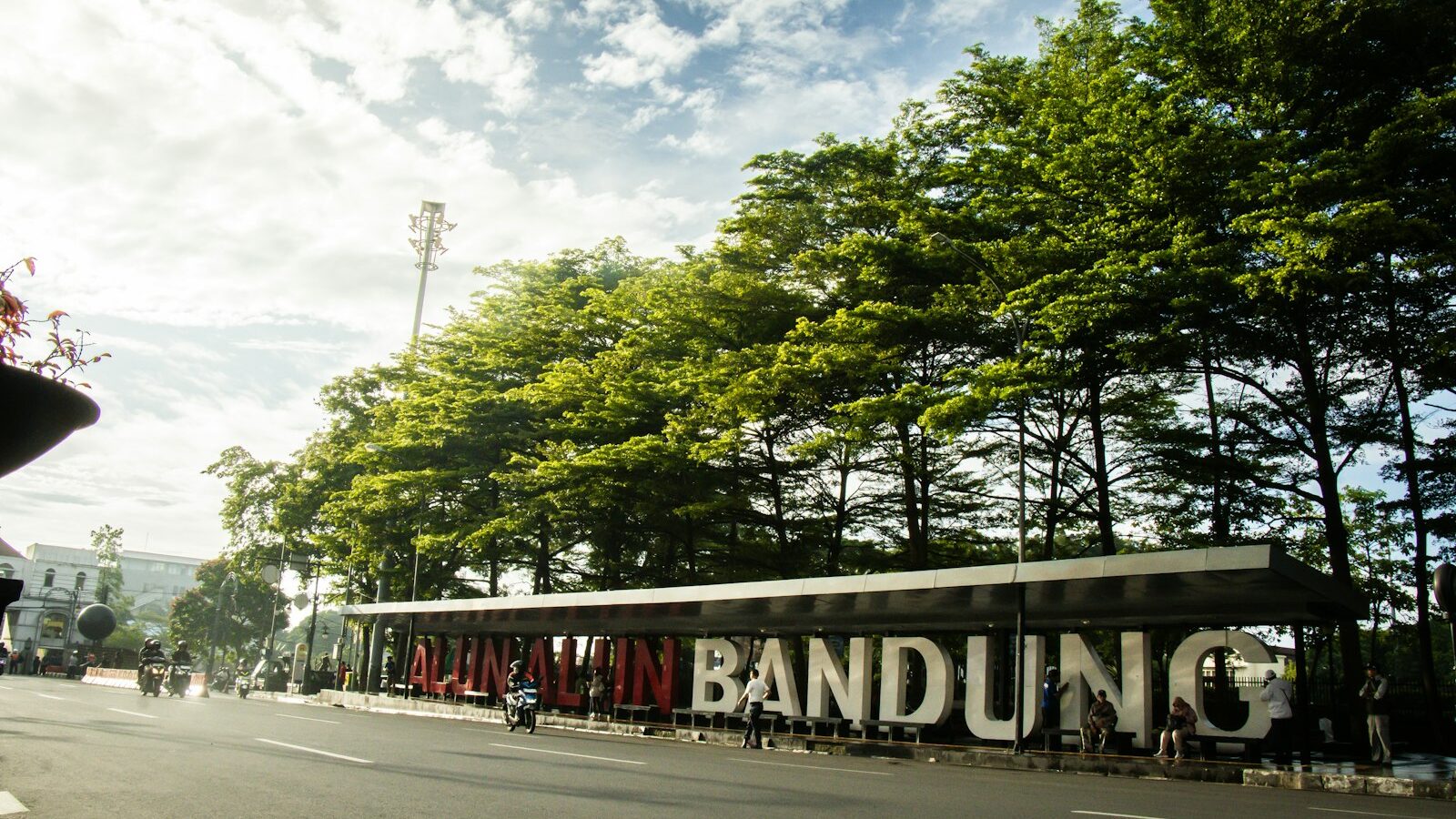
Tucked into the highlands of West Java, Bandung is the cool, green counterpoint to Indonesia’s hotter, busier cities. For anyone weighing up Bandung from Singapore, the pull is easy to understand: crisp mountain air, tea plantations rolling to the horizon, volcanic craters you can walk right up to, and a shopping and cafe scene that locals treat as a weekend sport. It sits at altitude, so the temperature is noticeably gentler than the lowland heat we are used to, which alone makes it feel like a proper change of scene.
This is a destination that rewards travellers who slow down. You do not come to Bandung to tick off famous monuments; you come to eat well, drive up into the hills, and enjoy a city that feels relaxed and a little old-fashioned in the best way. Here is how to plan it from Singapore.
Why Go To Bandung
Bandung earns its nickname as the “Paris of Java” through its faded colonial architecture, tree-lined avenues and a genuine love of style and coffee. The city is a creative hub, full of independent cafes, design studios and street art, while the surrounding highlands deliver the real headline attractions: hot springs, strawberry farms, tea estates and steaming volcanic craters.
The appeal for a Singapore traveller is threefold. First, the weather. Sitting well above sea level, Bandung stays comfortable and even cool at night, so you can finally pack a light jacket. Second, the value. Food, transport and shopping generally stretch a Singapore budget a long way, though you should always check current rates yourself. Third, the mix. Within a single trip you can go from a buzzing city cafe to a misty mountain crater to a warehouse-sized outlet store, all without long travel legs.
Best Time To Visit
Bandung has two broad seasons: a drier stretch and a wetter one. The drier months, roughly across the middle of the year, are the most reliable for volcano visits and hill drives, since clear skies make the craters and tea plantations far more rewarding. The wetter months bring lush green scenery but also afternoon downpours that can turn mountain roads slow and muddy.
Because Bandung sits at altitude, evenings can feel genuinely chilly year-round, so bring layers whatever the season. Weekends see heavy domestic tourism from Jakarta, which means busier roads, fuller restaurants and longer queues at the popular outlets. If your dates are flexible, weekday travel is calmer. Seasons and conditions shift from year to year, so check a current forecast before you commit to any outdoor plans.
Getting There From Singapore
Bandung is a short hop away in the broad scheme of things, sitting relatively close to Singapore across the water in West Java. Some travellers fly more or less directly into Bandung’s own airport when routes are available, while others fly into Jakarta and continue overland to Bandung by car or train through the hills. Flight availability to Bandung changes over time, so it is worth comparing both approaches when you plan.
If you route through Jakarta, the onward journey up to Bandung is a scenic climb into the highlands. The overland leg can vary a lot in duration depending on traffic and the route, so build in buffer time rather than scheduling tight connections. Singaporeans should confirm current visa and entry requirements for Indonesia before booking, as rules can change. As always, flight schedules, routes and fares shift constantly, so verify everything current before you commit.
For more on picking carriers and keeping costs sensible, our guide to budget airlines from Singapore is a useful starting point.
The Main Areas To Know
Bandung spreads out, and knowing the rough zones helps you plan where to stay and roam.
- City centre and Braga: The historic heart, with colonial-era buildings, the famous Braga street, cafes and easy access to shopping. Good for a first visit and for travellers who want to walk.
- Dago: A leafy uphill district known for cafes with views, restaurants and a string of factory outlets. Popular with weekenders.
- Setiabudi and the northern hills: The gateway to the highlands, tea estates and the road up towards the volcanic craters.
- Lembang: A cooler hill town just north of the city, packed with family attractions, farms, floating markets and themed parks.
Here is a quick comparison to help you match an area to your trip style.
| Area | Best for | Vibe | Watch-outs |
|---|---|---|---|
| City centre and Braga | First-timers, walkers | Historic, lively | Traffic and parking |
| Dago | Cafes, outlet shopping | Trendy, uphill | Weekend crowds |
| Northern hills and Setiabudi | Nature, day drives | Green, breezy | Longer transfers |
| Lembang | Families, cool weather | Playful, touristy | Busy on weekends |
Top Things To Do
The signature Bandung experience is heading into the highlands. Tangkuban Perahu is the classic volcanic crater, where you can peer down into the steaming caldera, while other craters and hot spring areas dot the surrounding hills. Tea plantations offer easy walks and endless photo opportunities, and strawberry farms let you pick your own fruit, which younger travellers love.
Closer to the city, Bandung is built for browsing. The factory outlets and independent boutiques are a genuine draw, and cafe-hopping is practically the local pastime. Lembang adds family-friendly attractions, floating markets and open-air parks that suit travellers with kids. If you enjoy nature closer to the ground, the hills around Bandung also have gentle walking routes and waterfalls that reward an early start.
A rough itinerary that works well: spend your first day settling into the city and Braga area, dedicate a full day to a highlands loop taking in a crater and a tea estate, and save a final relaxed day for outlets, cafes and Lembang.
Food You Should Try
Sundanese cuisine is the star here, and it is fresh, herby and generous. Look out for dishes built around grilled and fried freshwater fish, fragrant vegetable salads, sambals with real punch, and communal spreads eaten with the hands. Warm comfort food suits the cool climate, from hearty noodle soups to grilled snacks sold from roadside stalls.
Bandung’s cafe culture deserves a mention of its own. The city takes coffee seriously, and you will find everything from stripped-back specialty roasters to elaborate, view-heavy cafes designed for a long, lazy afternoon. Street food and night snacks are part of the fun too, so leave room and follow the crowds. Try a mix of proper sit-down meals and casual stalls, and always check that a place looks busy and clean.
Practical Tips For Singapore Travellers
- Pack layers. The altitude means cool mornings and cold nights, even when the afternoons are warm.
- Plan around weekends. Domestic tourism spikes on weekends, so weekdays mean thinner crowds and easier roads.
- Budget time for transfers. Mountain roads and city traffic can be slow, so do not over-pack your days.
- Carry some cash. Smaller stalls, farms and rural spots may not take cards, though this varies.
- Confirm the essentials. Check current visa rules, transport options and prices yourself before booking, as these change often.
Bandung rewards travellers who come for the pace and the scenery rather than a checklist. Give it a relaxed few days, mix city cafes with highland air, and you will understand why it has quietly become such a favourite escape.
Explore More
If Bandung has you dreaming of more nearby adventures, browse our guide to Bali from Singapore for another Indonesian escape with a very different rhythm. Compare it with a city-focused trip in our Bangkok from Singapore guide, and for more ways to keep costs sensible, our budget airlines from Singapore roundup is well worth a read.