
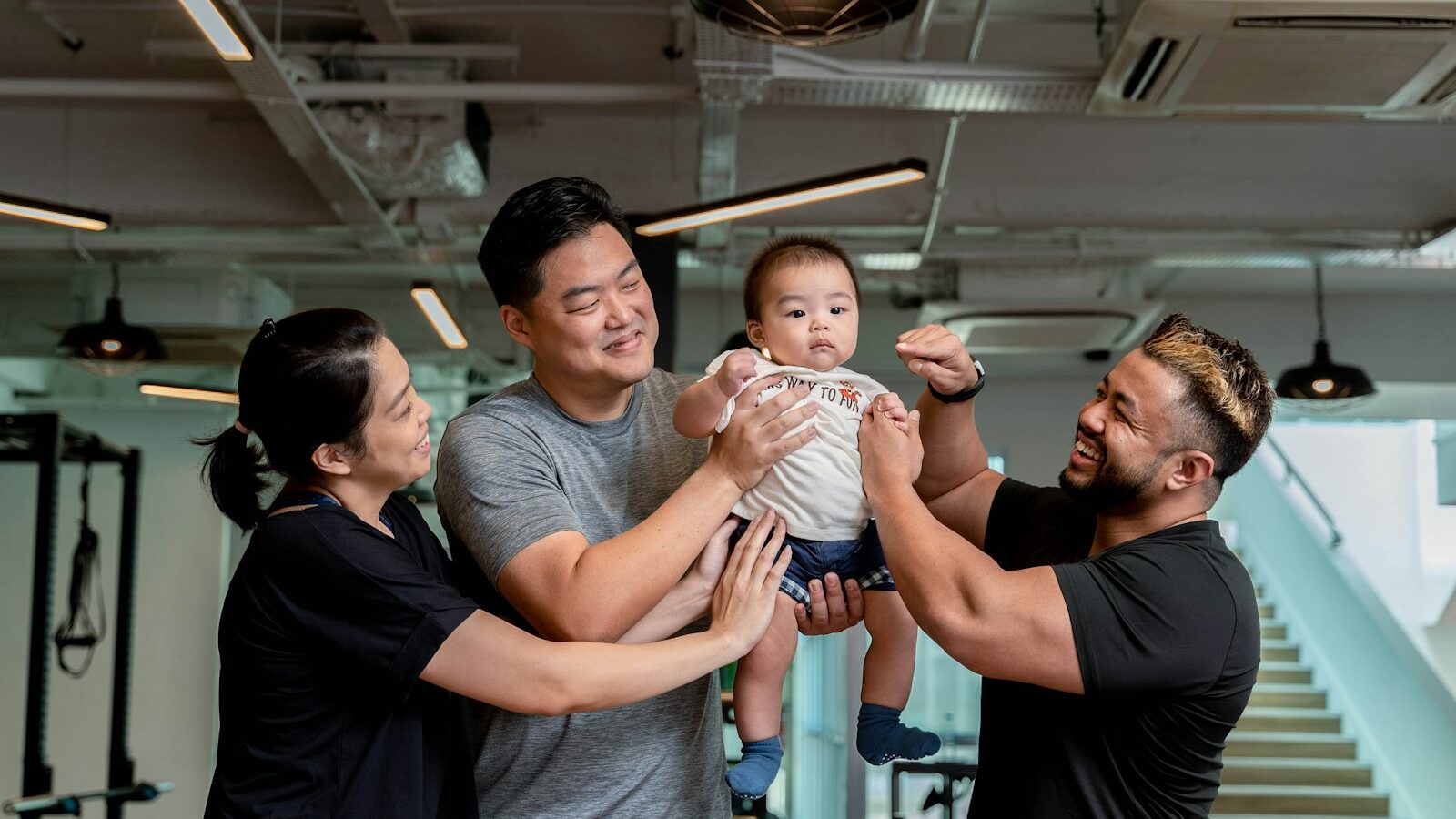
Few moments compare with holding a grandchild for the first time. Becoming a grandparent opens a warm new chapter, full of affection and, quite often, a few unspoken questions. How involved should you be? What do your adult children expect? Where does helping end and interfering begin? These feelings are normal, and working through them thoughtfully sets the tone for years of closeness. This guide offers gentle, practical ideas for stepping into the role in a way that suits your family and keeps everyone comfortable.
The New Role You Are Stepping Into
Grandparenting is different from parenting, and that difference is its gift. You are no longer the person making every decision or carrying the full weight of responsibility. Instead, you can offer steady love, patience and perspective, often with more time and calm than you had as a young parent.
Every grandparent finds their own version of the role. Some become hands-on carers, minding little ones while parents work. Others live further away and stay close through calls, visits and holidays. Neither is better. What matters is that your involvement fits the family’s needs and your own energy and health.
It also helps to remember that the parents are in charge. Their home, their rules, their choices about feeding, screen time and discipline. Your job is to support the family they are building, not to recreate the one you raised. That shift can take a little getting used to, but it is the foundation of a happy relationship with both your children and grandchildren.
Talking About Expectations Early
Many small tensions between generations come from assumptions rather than disagreements. One side expects daily help, the other pictures occasional visits, and no one says so out loud. A gentle, early conversation prevents a great deal of quiet frustration later.
Useful things to talk through include:
- How much childcare, if any, you are able and willing to provide.
- Whether help is regular and expected, or offered when you can manage it.
- How the parents prefer to handle feeding, naps, treats and discipline.
- What you would like too, such as protected time for your own commitments.
- How to raise concerns kindly if you see something you would do differently.
Approach these talks as a partnership, not a negotiation with winners and losers. Phrases like “What would help you most?” and “Here is what I can comfortably do” keep things warm and honest. Revisit the conversation as the child grows, since needs change quickly in the early years.
Different Ways to Be Involved
There is no single right amount of grandparenting. The table below sketches common patterns to help you and your family find a comfortable fit.
| Level of involvement | What it often looks like | Works well when |
|---|---|---|
| Primary caregiver | Regular weekday care while parents work | You have the health, time and willingness to commit |
| Regular helper | Set days or evenings each week | Both sides want reliable routine without full-time care |
| Occasional support | Babysitting, outings and help in a pinch | You value flexibility or live a little further away |
| Long-distance grandparent | Calls, video chats, holidays and visits | Distance or health limits day-to-day contact |
| Special-occasion presence | Birthdays, festivals and milestones | Everyone prefers meaningful moments over daily routine |
Whichever pattern you choose, consistency and warmth matter more than hours. A grandchild remembers how you made them feel far longer than how often you were there. It is also fine for your role to shift over the years, growing more hands-on when the children are small and easing back as they grow older and busier with school and friends. What counts is that you remain a steady, loving presence they can rely on, whatever shape that takes.
Looking After Your Own Wellbeing
It is easy to pour yourself into a new grandchild and forget your own limits. Caring for young children is joyful but physically demanding, involving lifting, chasing, broken sleep and long hours on your feet. Pace yourself, especially if you are managing your own health conditions.
Protect your wellbeing with a few simple habits:
- Be honest about what your body can handle, and say so without guilt.
- Keep up your own friendships, hobbies and routines rather than dropping them all.
- Ask for breaks when you need them, and rest before you are exhausted.
- Watch your back and knees when lifting, and sit to play where you can.
- Check with your doctor if regular caregiving leaves you sore, tired or unwell.
Saying no to some requests is not a failure of love. A rested, healthy grandparent has far more to give than one who is quietly running on empty. Your children would rather have you well for the long run.
When Families Live Apart or Disagree
Not every family fits the picture of grandparents dropping by each week. Some children emigrate, some relationships are strained, and some grandparents are separated from grandchildren by distance or circumstance. These situations carry real feeling, and it is worth handling them with patience.
If you live far apart, small and regular contact often beats rare grand gestures. A short weekly video call, a voice message, a posted drawing or a shared photo can keep a bond alive even across borders. Young children respond to familiarity, so showing up gently and often helps them feel you are part of their world.
Where there is tension with your adult children, tread softly. Listen more than you defend, avoid taking sides in their marriage, and respect boundaries even when they sting. Relationships often thaw with time and steadiness. If conflict runs deep or you feel cut off from grandchildren, a family counsellor can help everyone talk more calmly, and community and family service centres in Singapore can point you to support. This article offers general guidance only, so seek help suited to your own situation when feelings run high.
Explore more
A new grandchild is often part of a wider reshaping of retirement life. If you are rethinking how your days feel, read our guide to finding purpose and meaning after retirement, and if you have time and energy to share beyond the family, see volunteering in retirement. To stay strong enough to keep up with little ones, our piece on tai chi and gentle exercise for seniors is a gentle place to start.