
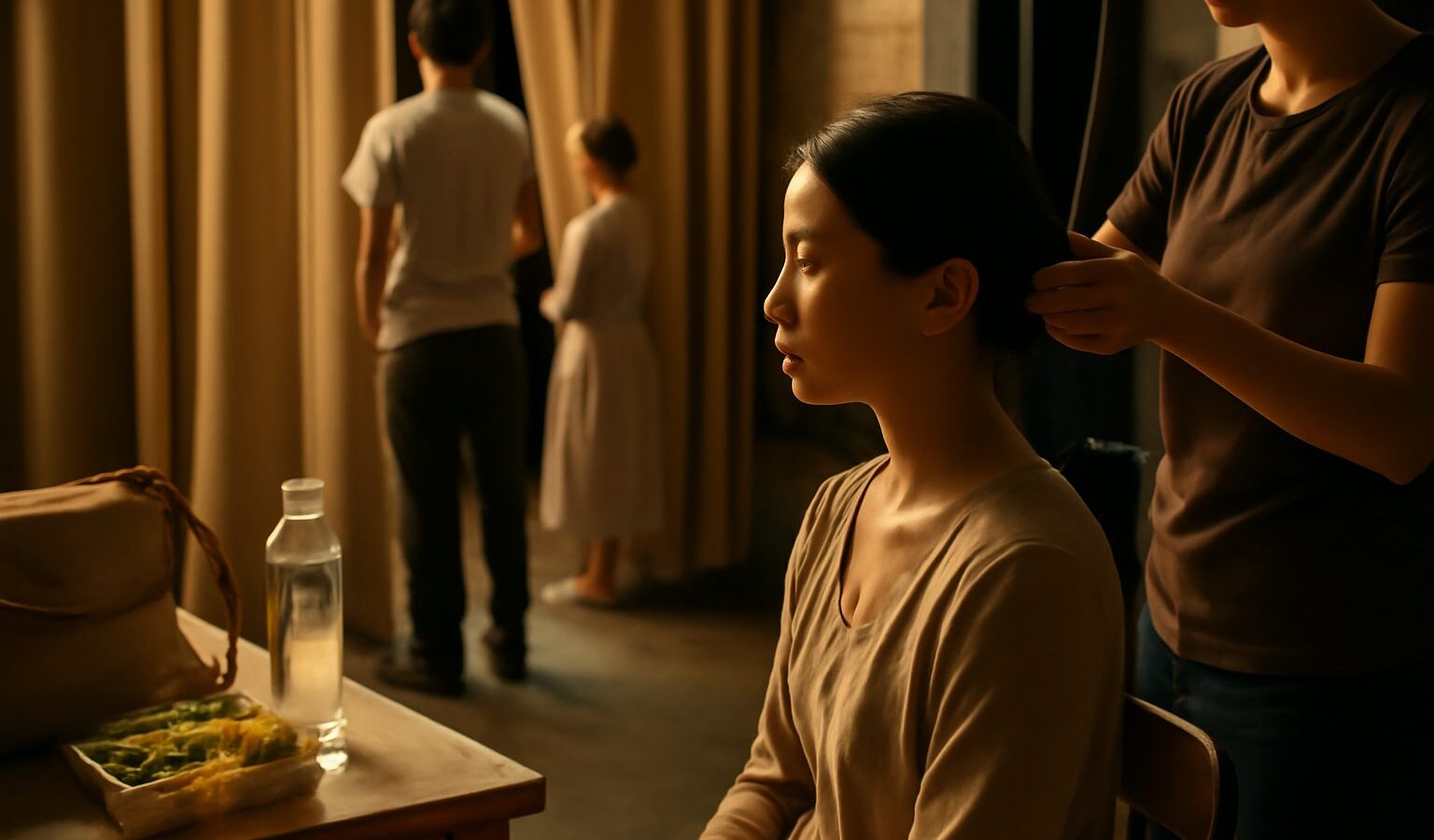
The lights dim, the audience hushes, and for two hours a whole imagined world appears on stage. What most people never see is the small army that made it happen. A single theatre production is the work of dozens of people, many of them out of sight in the wings, up in the lighting rig or hunched over a laptop at the back of the hall. If you have ever watched a local show and wondered how it all came together, this friendly walk-through is for you. You do not need any experience to follow along, and by the end you may well fancy trying it yourself.
Singapore has a warm, busy theatre scene, from big shows at the Esplanade to intimate black-box pieces staged in community clubs and arts schools. The scale changes, but the process behind almost every theatre production follows the same broad path. Here is how a script becomes an opening night.
Who Does What: The People Behind a Show
A production is really a team of teams. The most visible people are the actors, but they are supported by a long chain of others who rarely take a bow. Getting familiar with these roles is the fastest way to understand what you are watching.
- Director: the creative lead who decides how the story is told, shapes the performances and holds the overall vision.
- Producer: the person who makes the show possible, handling budget, scheduling, venue booking and the endless logistics.
- Stage manager: the calm nerve centre who runs rehearsals, keeps everyone on time and “calls” the show from the wings on performance nights.
- Set, lighting, sound and costume designers: the artists who build the look and feel of the world you see and hear.
- Crew and technicians: the hands who move scenery, operate the lighting and sound desks, and manage quick changes backstage.
On a small community show, one person might wear several of these hats. On a large theatre production, each role may have a whole team beneath it. Either way, the principle is the same: everyone serves the story.
From Script to Stage: The Rehearsal Journey
Long before any tickets go on sale, the work begins quietly in a rehearsal room. Understanding this timeline helps you appreciate just how much preparation sits behind a two-hour show.
- Pre-production and casting. The team chooses the play, secures the rights, sets a budget and books a venue. Auditions follow, and the cast is assembled.
- Table reads. The actors sit together and read the script aloud, discussing characters, meaning and tone before anyone stands up.
- Blocking. The director maps out where actors move and stand, scene by scene. This is slow, detailed work.
- Working rehearsals. Scenes are repeated and refined over many weeks. Lines are memorised, relationships deepen and the pacing takes shape.
- Run-throughs. The company performs longer stretches, then the whole play, to build stamina and continuity.
Rehearsals for a local production often run in the evenings and at weekends, because many performers and crew have day jobs or studies. That rhythm is part of what makes community theatre so accessible: people fit it around ordinary life.
Tech Week: When It All Comes Together
The final stretch before opening is known as tech week, and it is the most intense part of any theatre production. This is when the set is loaded into the venue, the lights are hung and focused, and sound is balanced for the room. The actors, who have rehearsed for weeks in a bare studio, suddenly perform among real scenery under real lights.
A few key milestones happen here:
- Get-in and fit-up: the crew installs the set and rigs the technical equipment, often over a long day or two.
- Technical rehearsal: the show is worked through in tiny pieces so every lighting cue, sound effect and scene change can be set and recorded.
- Dress rehearsals: full run-throughs in costume and make-up, as close to a real performance as possible.
- Preview: some productions play to a small early audience to test how the show lands before the official opening.
Tech week can be tiring, but it is also thrilling. It is the moment weeks of separate work finally lock into one living thing. If you ever volunteer backstage, this is where you will learn the most in the shortest time.
On Stage Versus Backstage: Two Different Worlds
People often assume the actors do the “real” work while everyone else simply helps out. In truth, on-stage and backstage roles are two halves of the same craft, each demanding in its own way. This comparison shows how differently the same evening feels depending on where you stand.
| Aspect | On-stage roles | Backstage roles |
|---|---|---|
| Main focus | Bringing characters and story to life | Making the world run smoothly and safely |
| Visibility | Seen and applauded by the audience | Deliberately unseen, working in the dark |
| Key skills | Acting, voice, movement, presence | Timing, organisation, technical know-how |
| Pressure point | Remembering lines and staying in character | Hitting every cue exactly on time |
| Typical entry route | Auditions and acting workshops | Volunteering, crewing, assisting a department |
Neither side could exist without the other. A missed lighting cue can undo a perfect performance, and a flawless set means little without actors to fill it. The best companies treat every contributor, seen or unseen, as essential.
How to Get a Look Behind the Curtain Yourself
The wonderful thing about theatre is how open it is to newcomers. You do not have to be an actor to take part, and backstage roles are often the easiest way in. Here are practical, low-pressure ways to get involved in Singapore.
- Volunteer as crew. Many community groups and student productions welcome helpers for stage management, props, costumes or front of house. No experience is needed, just reliability and enthusiasm.
- Take a short workshop. Neighbourhood studios, arts schools and community clubs run beginner classes in acting, stagecraft and technical theatre. They are a gentle, social introduction.
- Usher at a venue. Front-of-house volunteering lets you watch shows for free while learning how a venue operates.
- Follow local companies. Keep an eye on the social media pages of local theatre companies for open calls, and check official venue and box-office channels for current show details, since dates and prices change often.
- Simply attend more. Watching a wide range of productions, from big musicals to tiny black-box experiments, trains your eye and helps you decide where you would like to pitch in.
Getting into a theatre production is far less intimidating than it looks from the stalls. Most companies are small, friendly and always short of hands. Turn up willing to learn, and you will be welcomed.
The magic of live theatre is that it is genuinely made by ordinary people giving their evenings and weekends to something they love. Next time the house lights go down, spare a thought for the stage manager in the wings and the technician at the desk. Better still, find a way to join them.
Explore more
If this has sparked your curiosity, there are plenty of friendly next steps. Learn how to take the plunge in our guide to getting into community theatre in Singapore, or prepare for the spotlight with our tips on auditioning for local theatre. If songs and staging appeal, you might also enjoy our beginner’s introduction to musical theatre for beginners.