
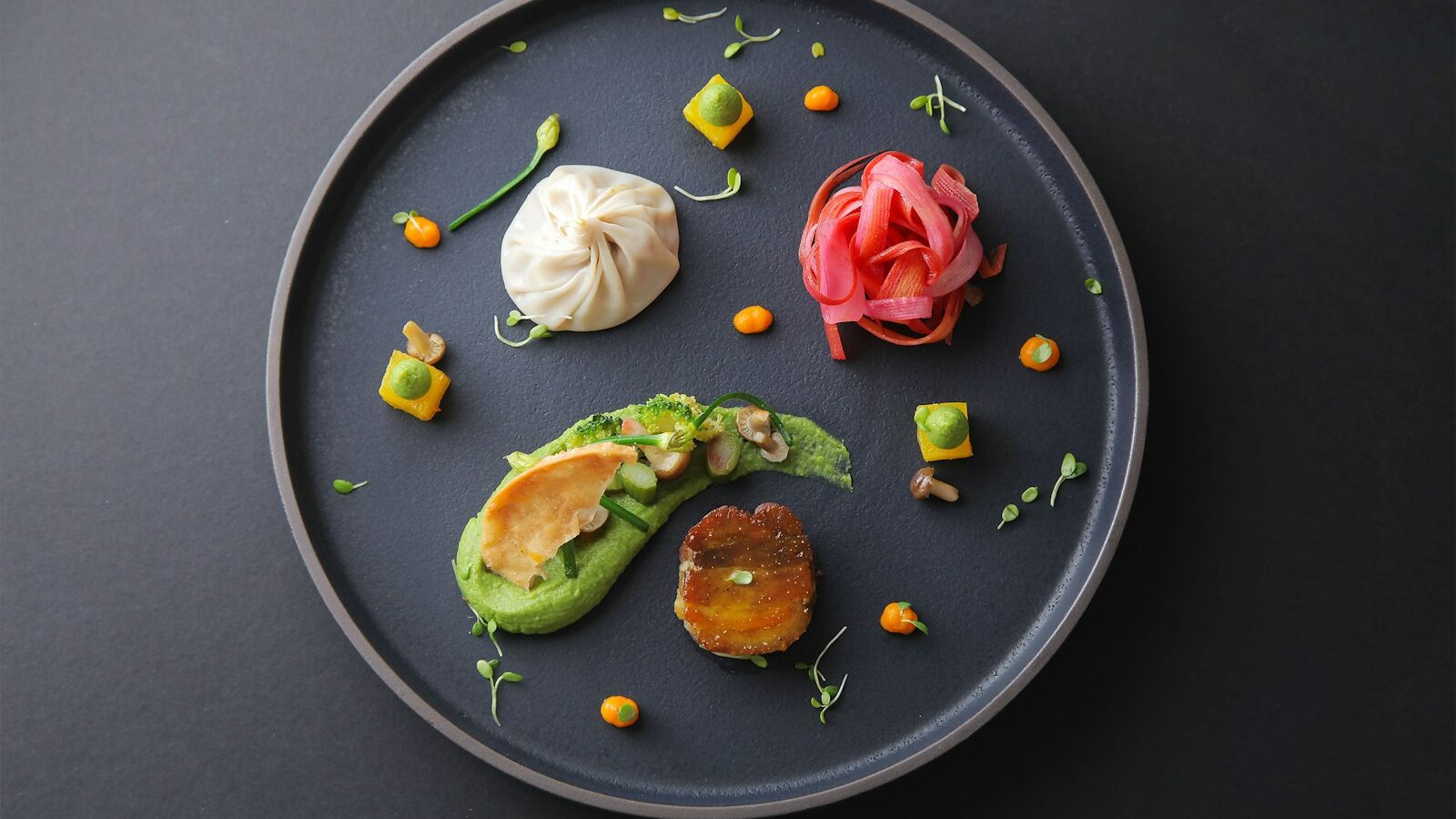
There is a quiet joy in opening a lunchbox that someone arranged with care, and that small daily delight is what draws people to bento. Bento making in Singapore has grown from a niche interest into a friendly, family-loving hobby, partly because it turns an ordinary packed lunch into something playful and personal. At its heart, bento is the art of arranging a balanced meal neatly in a single box, and the “food art” part, where rice becomes a panda or a slice of ham becomes a flower, is simply the fun layer on top. You do not need to be an artist to start, only patient and a little bit tidy.

What Bento Actually Is
The word bento comes from Japan, where a single-portion boxed meal is an everyday thing, but the idea travels beautifully to our own hawker-loving culture. A classic bento balances a carbohydrate, a protein, and some vegetables in one container, portioned so nothing spills or slides around. Character bento, often called kyaraben, takes it further by shaping food into faces, animals, or scenes using cutters, seaweed, and a steady hand.
The appeal is broad. Parents use bento to coax fussy eaters into finishing their greens. Office workers use it to eat better and save money. Others simply enjoy the meditative process of arranging little pieces of colour into a satisfying whole. Because Singapore homes often run small, this is a hobby that asks for very little space, just a corner of the kitchen counter and a shelf for a few boxes.
Food Safety and Hygiene Come First
Because bento is food you or your child will eat hours after packing, hygiene matters more than presentation. In our hot and humid climate, food left at room temperature can spoil quickly, so a few habits are worth building from day one.
- Wash your hands thoroughly, and use clean, dry utensils rather than bare fingers to arrange food, especially cooked rice and protein.
- Cool hot food completely before you seal the box, since trapped steam creates the warm, damp conditions bacteria love.
- Keep the box cool until eating. An insulated bag with an ice pack makes a real difference on a Singapore afternoon.
- Avoid ingredients that spoil fast in the heat, and when in doubt, lean on well-cooked, lower-moisture foods.
Be mindful of allergens too. Common ones such as eggs, wheat, soy, peanuts, tree nuts, milk, and shellfish turn up often in bento staples like fish cake, imitation crab, and sauces. If you are packing for someone else’s child, always check what they can and cannot eat, and label clearly. Use food-safe tools and boxes that are meant for food contact, and reserve any decorative picks or moulds for that purpose only.
Getting Started Without Overspending
You can begin with what you already own. A rice bowl, a small knife, and a leftover takeaway container are enough for a first attempt. As you continue, a few inexpensive tools make the food art easier and more rewarding.
- A proper bento box with a secure lid and, ideally, a divider or two.
- Small cookie or vegetable cutters, plus a nori punch if you want faces and eyes.
- Silicone cups or dividers to keep flavours and sauces from mingling.
- A rice mould or cling film to shape rice into neat balls or figures.
Start with a simple two-thirds rice, one-third topping layout and focus on colour. A little green from cucumber, orange from carrot or tamago, and red from cherry tomato already looks appetising with no carving at all. Cutting cheese or ham with a small flower cutter is the gentlest way into decoration. If you enjoy the tidy, sculptural side of arranging food, you may also love dumpling making as a hobby, which rewards the same neat handwork.
Building Skill and Finding Your Style
Improvement comes from repetition and gentle ambition. Once your everyday boxes look neat, try one small character element a week, perhaps a seaweed smiley or a sausage cut to look like an octopus. Photograph your results, because seeing your progress is genuinely motivating, and the bento community online is generous with tips and templates.
Singapore’s food scene gives you endless local twists. There is no rule that bento must be Japanese, so a box of chicken rice with cucumber and a chilli pot on the side is every bit as valid as a Tokyo lunchbox. Fitting bento into a wider cooking practice helps too, and you might enjoy exploring cooking as a hobby and world cuisines to widen your repertoire. If you like the crafty, decorative angle most of all, cookie decorating as a hobby scratches a very similar itch.
A Cheerful Wrap-Up
Bento is one of those rare hobbies that pays you back the same day, with a lunch that tastes good and looks like someone cared. Keep hygiene and allergens front of mind, start plain and add flair slowly, and let your own food culture shape what goes in the box. Before long, packing a bento stops feeling like a chore and becomes a small, satisfying ritual that brightens the middle of your day.
Frequently Asked Questions
How do I stop rice from going hard in a packed bento? Pack the rice only once it has cooled completely, and keep the box sealed. Cold rice does firm up, so many people include a little moisture in the toppings or choose a softer rice. Reheat it if a microwave is available, but always keep the box cool until eating.
What are the best foods for a bento that won’t spoil in the heat? Well-cooked, lower-moisture foods are the safest choice in our climate. Avoid ingredients that spoil fast in heat, cool everything fully before sealing, and use an insulated bag with an ice pack. When in doubt about a food, leave it out of the box.
Is bento a good way to get fussy children to eat vegetables? It often helps. Parents use bento to coax fussy eaters into finishing their greens, because a flower-shaped carrot or a seaweed face makes the meal feel fun. Keep portions small and familiar, and check allergens first if you are packing for another family’s child.
What is kyaraben and do I need to be an artist to make it? Kyaraben, or character bento, shapes food into faces, animals or scenes using cutters, seaweed and a steady hand. You do not need to be an artist, only patient and tidy. Begin with one small element, like a seaweed smiley, and add more as your confidence grows.
Can I make a bento with local food like chicken rice? Absolutely, there is no rule that bento must be Japanese. A box of chicken rice with cucumber and a chilli pot on the side is every bit as valid. Just keep the balance of carbohydrate, protein and vegetables, and mind food safety in the heat.