
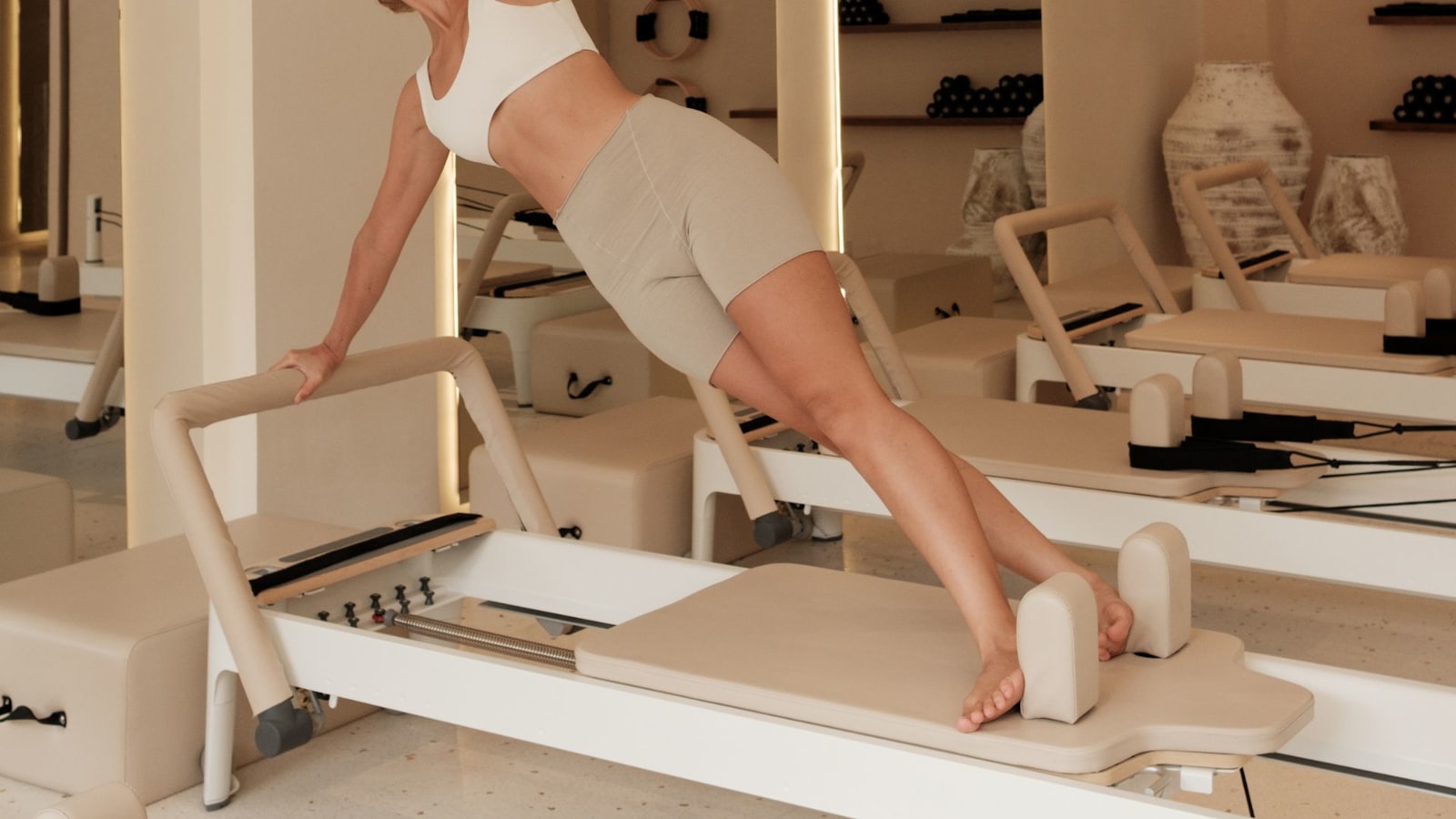
Looking for the best pilates studios in Singapore, whether you want a sweaty reformer session, a gentle mat class or clinical rehab after an injury? This guide is for beginners sizing up their first trial pack and for regulars hunting a new studio near home or work. Treat it as a frequently recommended shortlist rather than a definitive ranking, because the right studio depends on your body, your budget and how hard you like to be pushed.
How to choose
- Reformer versus mat, know the difference. Reformer classes use a spring-loaded carriage for resistance and are the ones flooding your feed. Mat pilates uses body weight and small props. Reformer suits people who want visible toning and structured progression, mat suits home practice and gentle rehab. Many studios offer both, so ask before you commit.
- Check the class size. Smaller is more personal. Boutique studios often cap sessions at three to eight reformers, which means the instructor can actually correct your form. Big commercial rooms move faster and cost less but give you less individual attention, which matters most when you are new.
- Look for recognised certification. Trustworthy instructors are trained under systems such as STOTT, Balanced Body, BASI or Polestar. For rehab or injury work, look for physiotherapist-led clinical pilates rather than a general group class.
- Match intensity to your fitness. Some studios are deliberately fast and fatiguing, others are slow and precise. If you are unfit, pregnant, postnatal or returning from injury, start with a foundation or intro class and say so at booking.
- Use the trial pack before buying a package. Almost every studio sells a discounted intro deal. Do the trial at the actual outlet and instructor you would attend regularly, not just the flagship, before locking into a multi-month membership.
- Read the fine print on credits. Watch for class expiry dates, peak-hour surcharges, late-cancellation fees and whether credits are shared across outlets. These quietly decide whether a package is good value.
- Common pitfall, chasing the aesthetic. A neon room and a good playlist do not equal good coaching. Judge a studio on how closely it watches your alignment and how well it scales moves for your level.
What to expect
Most group reformer and mat classes in Singapore run roughly 45 to 55 minutes. Drop-in group rates commonly sit in the mid-range once you buy a small package, while single classes and private or duet sessions cost noticeably more. Trial packs are the cheapest way in and usually give you three to five classes at a steep discount. Private and clinical sessions are the premium tier and are best reserved for rehab, specific goals or one-to-one attention.
Formats vary more than newcomers expect. Beyond standard reformer and mat, you will find tower, chair, barrel and cadillac work in classical studios, plus hybrid machines that add cardio. Booking is almost always app-based, spots fill fast for popular time slots, and shoes-off grip socks are typically required. Below is a rough guide to the main formats you will meet.
| Format | What it is | Typical class size | Best for |
|---|---|---|---|
| Group reformer | Spring-resistance carriage work in a shared studio | 6 to 12 | Toning, structured progression |
| Group mat | Bodyweight and small props on a mat | 8 to 16 | Budget, flexibility, home carryover |
| Boutique reformer | Small-cap classical or intimate reformer | 3 to 8 | Close coaching, beginners, form |
| Private or clinical | One-to-one or duet, often physio-led | 1 to 2 | Rehab, injury, specific goals |
Price bands used below (a rough guide, subject to change): $ = wallet-friendly, $$ = mid-range, $$$ = premium.
Our shortlist
Last checked: August 2026. Outlets and details change, so please confirm directly before you visit.
These are studios that come up again and again across recent Singapore guides and reviews, grouped so you can jump to the vibe you want.
Reformer specialists
VAURA (Cross Street, Joo Chiat and Tanglin) – An athletic, high-energy reformer studio with neon-lit rooms and upbeat playlists, frequently featured in recent Singapore pilates roundups. Best for people who want a strong, low-impact sweat and a lively community. Price guide: $$
KX Pilates (Siglap) – A fast-paced, strength-focused reformer franchise that genuinely challenges already-active people, with classes built to fatigue you. Best for those who find gentler studios too easy and want a workout that bites. Price guide: $$
Strong Pilates (Tanjong Pagar) – An Australian import known for signature classes that fuse resistance pilates with cardio on hybrid Rowformer and Bikeformer machines, while still running a dedicated beginner class to learn the basics. Best for anyone who wants pilates with a cardio kick. Price guide: $$
Boutique and classical
FLEX Studio (Orchard) – A premium boutique studio that honours classical Joseph Pilates technique, with sessions intentionally capped at no more than four students for close, precise coaching. Best for purists and anyone who wants classical method with serious attention to form. Price guide: $$$
Core Atelier (Chinatown) – An intimate studio that keeps classes very small, with a repertoire that reaches beyond the reformer into tower, chair and arc barrel work. Best for beginners and detail-lovers who want near-private coaching in a group setting. Price guide: $$$
Beginner-friendly
Absolute Pilates (Orchard, Katong and more) – One of the region’s largest reformer operators with outlets across the island and an “Essential 60” class that walks newcomers through the equipment and foundations. Best for beginners who want convenient locations and a clear on-ramp. Price guide: $$
Club Pilates (multiple outlets) – A well-run franchise offering consistent quality across outlets, clearly tiered levels from intro to advanced, and a friendly, welcoming atmosphere with a good-value trial pack. Best for first-timers who want a safe, standardised introduction to reformer. Price guide: $$
Breathe Pilates (multiple outlets) – One of Singapore’s longer-running and larger studios, well regarded for clinical pilates, rehabilitation and prenatal and postnatal work under physiotherapist guidance. Best for posture correction, injury recovery and anyone with specific physical concerns. Price guide: $$
Premium
Core Collective (Tanjong Pagar) – A premium wellness hub perched high above the city offering mat and reformer pilates alongside physiotherapy, personal training and recovery services. Best for people who want pilates as part of a fuller, upscale wellness routine under one roof. Price guide: $$$
Tips
Reformer or mat pilates, which should a beginner start with?
Either works, but mat classes are the gentlest and cheapest way to learn core control, while reformer gives you supportive springs that can actually make some moves easier for newcomers. If you are unsure, book a beginner or foundation reformer class where the instructor introduces the machine step by step. Avoid high-intensity studios until you know the basics.
How much does pilates cost in Singapore?
Expect mid-range pricing for group classes once you buy a small package, with single drop-ins costing more and trial packs the cheapest entry point. Private, duet and clinical sessions sit in the premium band because you get one-to-one attention. Always compare price per class after a package rather than the sticker single-class rate.
What class size should I look for?
For beginners, smaller is better. Boutique studios that cap classes at three to eight reformers let the instructor watch and correct your alignment, which is where the real benefit and injury prevention come from. Larger commercial rooms are fine once you are confident and want a cheaper, faster-paced session.
Do I need to be fit or flexible to start?
No. Pilates meets you where you are, and good studios scale every movement up or down for your level. Tell the instructor at booking if you are unfit, pregnant, postnatal or recovering from an injury so they can adjust or steer you to a clinical or foundation class.
How often should I go to see results?
Most people notice better posture, core strength and body awareness within a few weeks of two to three sessions a week, though results depend on consistency and your starting point. Even once weekly helps if you keep it up. Pair it with general movement and decent sleep for the best return.
Explore more: Best yoga studios in Singapore, Best gyms in Singapore