
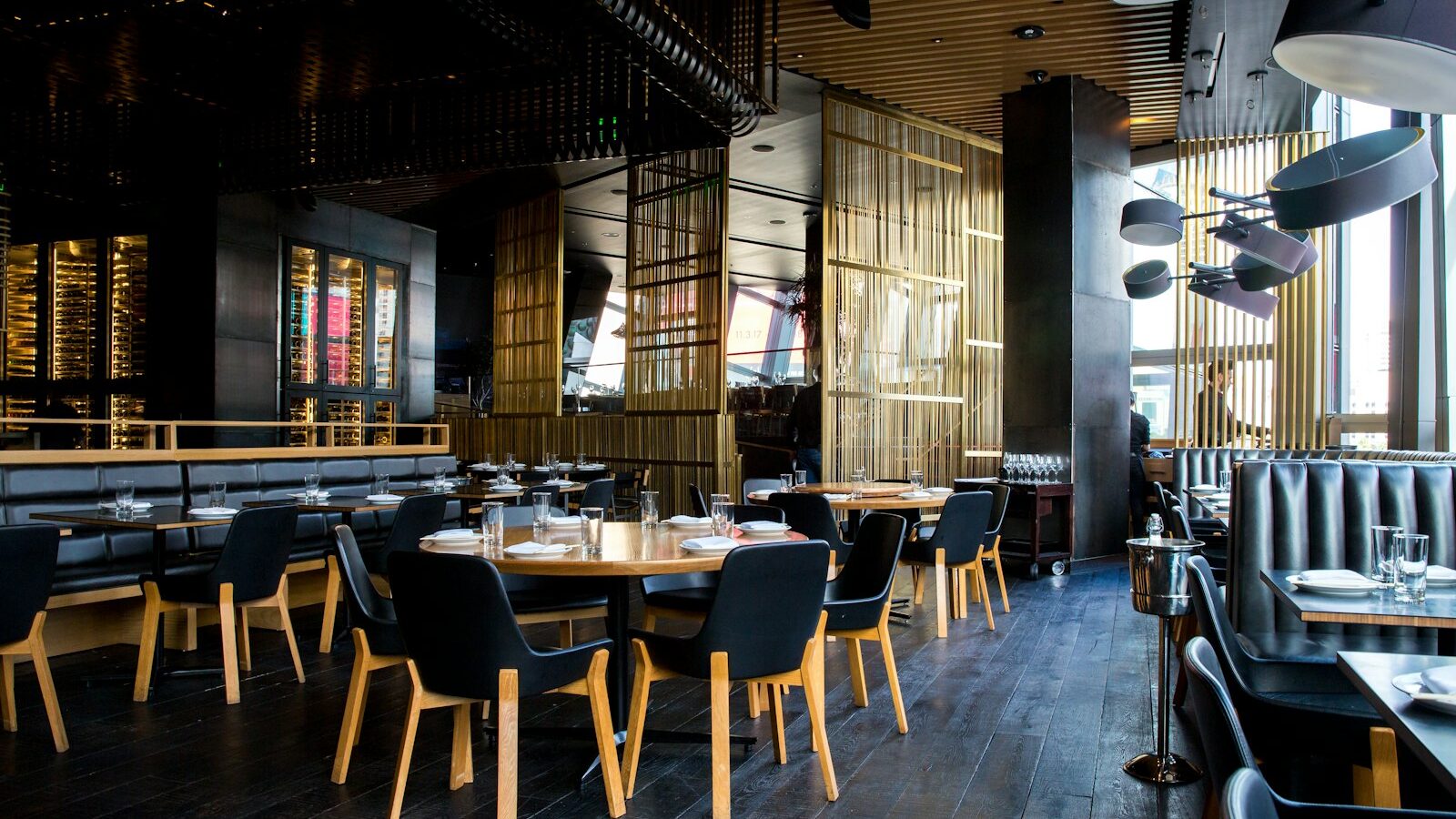
Few cities pack as much onto a plate as this one, which is exactly why choosing among the best restaurants in Singapore can feel overwhelming. Whether you are marking a milestone, hosting visiting family, or simply curious about what the fuss is about, the right table can turn a meal into the memory of a trip. This guide is written for locals who want a reliable go-to and for newcomers, including those newly arrived from mainland China, who want to eat well without guesswork.
A quick word on what this is. It is an editorial shortlist of places that are regularly cited by established food publications and international awards, not a definitive ranking or a paid endorsement. Think of it as a starting point, then trust your own palate.
How to choose
A little judgement goes a long way. Before you book, weigh these signals:
- Occasion first, cuisine second. A three-star tasting menu suits an anniversary; a bustling seafood hall suits a big, loud family reunion. Match the room to the moment.
- Look for consistency, not just hype. Restaurants that appear year after year in credible guides (Michelin Guide Singapore, Asia’s 50 Best, respected local titles) tend to hold their standards. A single viral post is not the same thing.
- Read recent reviews, not old ones. Chefs move, menus change, and standards drift. Prioritise feedback from the last few months.
- Check the format. Many top kitchens serve a set tasting menu only, with fixed seatings and a deposit. If you prefer to order a la carte or arrive spontaneously, confirm before you go.
- Book ahead for the marquee names. The most sought-after rooms release seats weeks in advance and fill fast, especially on weekends.
- Mind the extras. Most sit-down restaurants add a service charge and GST, and drinks can quietly double a bill. Factor this in when you compare prices.
- Watch for red flags. Aggressive touting, no visible menu or prices, and pressure to order the “market price” catch of the day without a figure are all reasons to slow down and ask.
What to expect
Singapore’s dining runs the full range, from a heritage kitchen serving grandmother’s recipes to globally awarded fine dining. Prices below are a rough guide only and are subject to change; a rough band per person, before drinks, helps you plan.
| Dining style | What it suits | Rough price band |
|---|---|---|
| Fine dining / tasting menu | Special occasions, once-a-trip splurges | $$$ |
| Modern Singaporean or regional | Curious diners who want local flavour, elevated | $$ to $$$ |
| Heritage and Peranakan | Family meals, introducing newcomers to local cuisine | $$ |
| Seafood halls and classics | Groups, celebrations, chilli crab first-timers | $$ |
As a rough steer, $ means a casual, wallet-friendly meal, $$ a comfortable mid-range sit-down, and $$$ a premium occasion where the bill reflects it. Fine dining almost always means a fixed tasting menu with set seatings; heritage and seafood spots are usually a la carte and built for sharing, so order a few dishes across the table.
Our shortlist
Last checked: August 2026. Outlets and details change, so please confirm directly before you visit.
The places below are grouped by the kind of evening you are planning. Every one is a currently operating Singapore establishment that we corroborated across independent, recent sources.
Fine dining for a special occasion
Odette (City Hall, National Gallery) – Singapore’s most decorated modern French kitchen, holding three Michelin stars and a regular fixture near the top of Asia’s 50 Best. A graceful, once-in-a-while tasting menu experience. Price guide: $$$
Les Amis (Orchard, Shaw Centre) – A three-Michelin-star institution and one of the city’s longest-running fine-dining names, known for classical French cooking and one of the region’s deepest wine lists. Price guide: $$$
Burnt Ends (Dempsey) – A Michelin-starred modern barbecue counter from chef Dave Pynt, whose open kitchen sends out dishes where nearly everything meets fire or smoke. Book the counter for the full show. Price guide: $$$
Modern Singaporean and regional
Restaurant Labyrinth (Marina Centre, Esplanade Mall) – Chef LG Han’s Michelin-starred “New Singaporean” kitchen reimagines hawker and heritage dishes, from chilli crab to chicken rice, with a strong commitment to local sourcing. A brilliant, playful introduction to the flavours of home. Price guide: $$$
Meta (Mohamed Sultan Road, River Valley) – Chef Sun Kim’s Michelin-starred room blends Korean and Western technique with finesse, on one of the city’s characterful riverside dining streets. Price guide: $$$
Seroja (Bugis, Duo Galleria) – Chef Kevin Wong’s celebrated ode to the Malay Archipelago, using produce from Singapore and Malaysia to spotlight the flavours of the region. A rapid riser on Asia’s 50 Best. Price guide: $$$
Heritage and local classics
Candlenut (Dempsey) – Widely described as the world’s first Michelin-starred Peranakan restaurant, chef Malcolm Lee’s kitchen serves refined Straits-Chinese cooking rooted in family tradition. A lovely way to meet the cuisine. Price guide: $$
National Kitchen by Violet Oon (City Hall, National Gallery) – Set in the grand former City Hall, this is elegant, dependable Peranakan and Singaporean fare from the country’s best-known food ambassador. Reliably good and warmly welcoming to visitors. Price guide: $$
JUMBO Seafood (Riverside Point and East Coast) – The household name for chilli crab and black pepper crab, and a safe, satisfying first stop for anyone chasing Singapore’s most famous dish. Great for groups. Price guide: $$
Tips
How far ahead should I book?
For the three-star names and popular counters, aim for several weeks out, more around public holidays and festive periods. Mid-range heritage and seafood spots can often take you within a few days, though weekend evenings still fill quickly.
What if I have dietary needs or am dining with children?
Call or email ahead. Fine-dining tasting menus can usually adjust for allergies or preferences with notice, but this is much harder to arrange on the night. Heritage and seafood restaurants tend to be the most family-friendly.
Is chilli crab really worth trying?
Yes, at least once. It is messy, communal and quintessentially Singaporean. Order mantou buns to mop up the sauce, and expect the crab to be priced by weight, so ask for the figure before you commit.
How much should I budget?
A casual local meal can be very affordable, while a marquee tasting menu with wine can run into the hundreds per person. Remember that most sit-down restaurants add a service charge and GST on top of the listed prices.
Do I need to tip?
Tipping is not expected in Singapore, as a service charge is usually already included. Rounding up for exceptional service is a kind gesture, never an obligation.
Explore more: Cheap eats in Singapore, The best seafood in Singapore, The best zi char in Singapore