
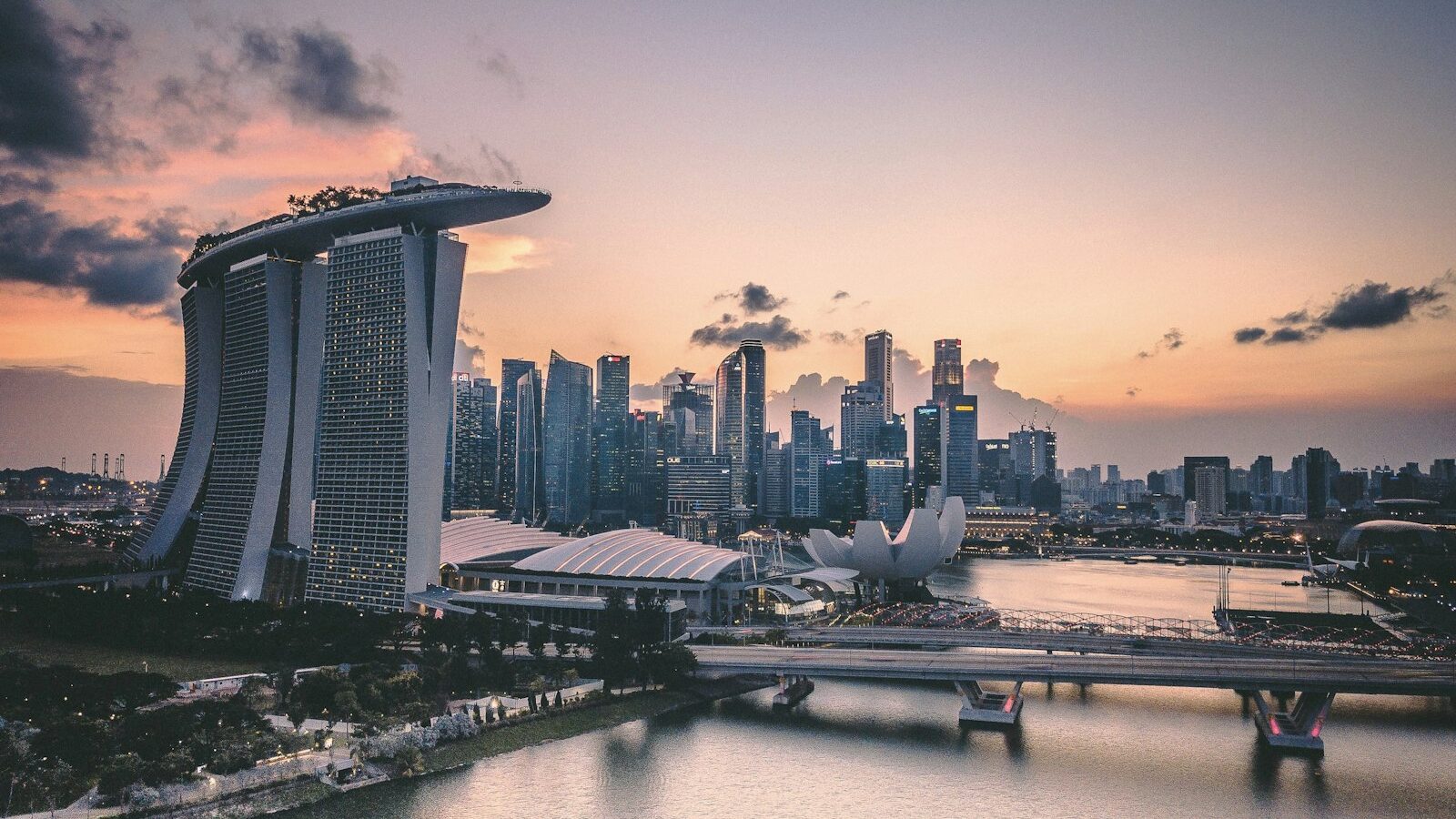
There is a particular kind of hunger that only arrives after midnight. Maybe you have just finished a late shift, stumbled out of a bar, wrapped up a study session, or simply woken at 2am with a craving you cannot argue with. In many cities this is a problem. In Singapore, it is an invitation. Supper here is a genuine part of the culture, and knowing your way around late night food in Singapore is a small but real life skill worth having.
This guide walks you through what supper actually means on this island, the classic dishes that define it, the kinds of places that stay open late, and the unspoken etiquette that keeps the whole thing running smoothly. Whether you are a lifelong local or someone newly arrived who has discovered that the kitchen light never quite goes off, this is your map to eating well after dark.
What “supper” really means here
In Singapore, supper is its own meal, sitting somewhere after dinner and well before breakfast. It is casual, usually cheap, often shared, and rarely planned far in advance. Someone messages the group chat, a couple of people say yes, and twenty minutes later you are all crowded around a metal table under fluorescent lights.
The spirit of supper is unpretentious. Nobody dresses up. You go in shorts and slippers, you order more than you need, and you talk for far longer than the food takes to finish. It is comfort eating in the most literal sense, and one of the easiest ways to feel the rhythm of the city when everyone else has gone to bed.
The classic supper dishes
Supper has a loose canon of dishes that show up again and again. You do not have to love all of them, but you should know them.
- Prata (roti prata): Flaky, pan fried flatbread served with curry, and the undisputed king of late night eating. A prata supper is a rite of passage. Order it plain, or loaded with egg, cheese, onion, or a mix of everything.
- Mee goreng and maggi goreng: Fried noodles with a spicy, savoury kick, often from the same kitchens that make your prata.
- Bak kut teh: A peppery pork rib soup that some shops serve deep into the night. Warming, restorative, and exactly what you want when you are tired.
- Zi char: Home style stir fried dishes meant for sharing, from cereal prawns to sambal vegetables to a plate of hor fun. Some zi char places keep going late for the supper crowd.
- Satay bee hoon: Rice vermicelli drenched in a rich, sweet peanut satay sauce. A quieter classic, but a beloved one.
- Dim sum: Steamed and fried little plates, and a handful of spots run these round the clock for anyone who fancies har gow at 3am.
- Hot bowls of noodles: Whether it is a comforting bowl of soup noodles, wonton mee, or a spicy laksa, a warm bowl at supper hits differently.
- Fast food: The famous “Macs” run, where a late night trip to a 24 hour McDonald’s becomes its own social event, fries and all.
The mamak and the 24 hour shop
If there is a spiritual home for supper, it is the mamak style eatery: the Indian Muslim coffee shops and prata houses that seem purpose built for the small hours. These are the places where you can get 24 hour food without a second thought: prata, murtabak, teh tarik pulled high and frothy, mee goreng, and a cold drink to wash it down.
The appeal is not just the food. It is that these places never seem to close, never rush you, and never care what time it is. For shift workers, students, and night owls, the mamak is less a restaurant and more a reliable friend.
Where late night food tends to gather
Supper in Singapore is not confined to one neighbourhood. It clusters, and once you learn to read the signs you can find it almost anywhere. Rather than chasing specific stalls, it helps to recognise the formats that stay open.
- Prata and mamak houses: Often found near residential estates and along main roads, many run 24 hours or close only for a short stretch before dawn.
- Coffee shops (kopitiam) and food courts: Some house individual stalls that specialise in the supper trade, staying open long after the daytime stalls have shuttered.
- Hawker centres that run late: A number of hawker centres keep at least a few stalls going into the night, so you can still get your fix of the local classics well past the dinner rush.
- Zi char corners: Certain neighbourhood zi char operations lean into the late crowd, firing up the wok for tables that roll in around midnight.
- 24 hour fast food: Reliable, air conditioned, and open everywhere, these are the fallback when nothing else is.
As a general rule, areas with a lot of nightlife, dense housing estates, or a steady flow of shift workers tend to have the strongest supper scene. Spots near round the clock activity, entertainment districts, transport hubs, and large residential clusters are your safest bets. The exact places change over the years, so the more useful habit is to notice which formats stay lit and follow the crowd.
A quiet truth of the island: you are rarely more than a short ride from a plate of prata and a hot drink, no matter the hour.
A quick supper survival checklist
If you are new to this, or just want to do it right, keep these in mind:
- Bring cash. Many supper spots are old school. A card or a payment app may work, but small notes and coins never fail you.
- Expect to share a table. During peak supper hours, strangers may sit at your table. This is normal, not rude.
- Order at the counter or flag the staff. Different places have different systems. Watch what others do, or just ask.
- Go with the flow on timing. Kitchens wind down at their own pace. If one stall has closed, another nearby is usually still going.
- Pace yourself. Supper is a marathon of small plates and long chats, not a race. Order in rounds.
Etiquette that keeps everyone happy
Supper culture works because everyone quietly follows the same unwritten rules. Learn them and you will fit right in.
Chope with courtesy. The local habit of reserving a seat, often with a packet of tissues, applies here too. It is fine to hold a table, but do not hoard several during a rush when people are waiting.
Tip is not expected, but respect is. Service is casual and friendly. You are not required to tip, but a genuine thank you and a bit of patience go a long way, especially with staff who have been on their feet all night.
Keep the volume reasonable. Late night energy is part of the fun, but many supper spots sit near homes. A little awareness of the neighbours keeps the good vibes intact.
Clear your rubbish where asked. Some places have tray return points, others clear for you. Follow the signs, and when in doubt, tidy your own table.
Do not linger over an empty table during a crush. If you have finished and a queue has formed, it is kind to move along. Come back another quieter night to sit for hours.
Supper for shift workers and night owls
If your life runs on a night schedule, supper stops being a treat and becomes a lifeline. Nurses, drivers, security staff, hospitality workers, and anyone else who clocks out when the rest of the city clocks in all lean on these late kitchens for a proper hot meal.
A few practical notes for the regular night crowd. Build a mental shortlist of two or three formats you can rely on near your workplace and your home, so you always have a fallback. A warm, soupy dish like bak kut teh or a bowl of noodles tends to sit better before sleep than something heavy and fried, though the prata will always be there when you want it. There is also something to be said for the community of it: the same faces turn up at the same hours, the staff start to recognise you, and a solitary late meal becomes a small, steady comfort in an otherwise quiet night.
Making supper your own
The beauty of supper in Singapore is that there is no single right way to do it. You can chase the perfect crispy prata, hunt down a peppery bowl of bak kut teh, gather a crew for a sprawling zi char feast, or simply grab fries at a 24 hour counter and call it a night. What matters is not the specific dish but the ritual: stepping out into the warm night air, finding a table with the lights still on, and sharing a meal when the rest of the world is asleep.
Start small. Pick one classic, find a format that stays open near you, and go. Before long you will have your own supper rhythm, your own go to order, and your own quiet corner of the city that never quite closes.
Explore more: Must-try hawker food in Singapore · Singapore nightlife guide