
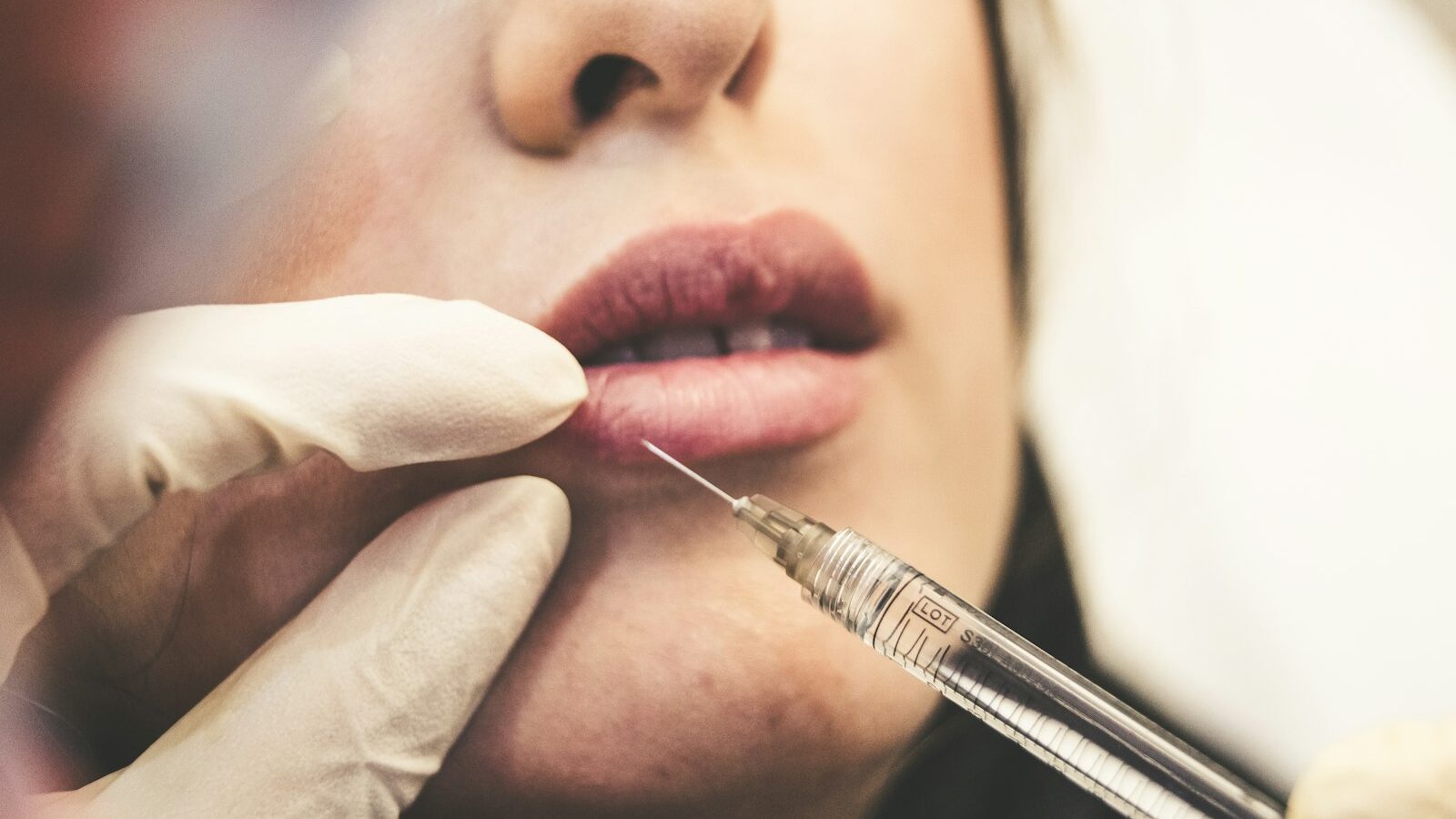
Botox and fillers in Singapore are among the most requested aesthetic treatments, yet the two are often lumped together as if they did the same thing. They do not. One relaxes muscles to soften movement lines; the other adds volume to restore or reshape. Understanding the difference is the first step to having a sensible conversation with a doctor and setting expectations you will actually be happy with. This guide breaks down how each works, what they realistically treat, and how to choose a provider safely in a market with plenty of tempting offers.
This is general information, not personalised medical advice. These are medical treatments, and what is suitable depends on your face, your health and your goals, so use this as background for a proper consultation rather than a decision on its own.
Two Different Tools for Two Different Jobs
The core distinction is straightforward once you see it. Anti-wrinkle injections, commonly known by the brand name Botox, use a purified botulinum toxin to temporarily relax specific facial muscles. When a muscle moves less, the dynamic lines it creates soften. Fillers, most commonly made from hyaluronic acid, are gels placed under the skin to add volume, support structure or smooth static folds that are present even when your face is at rest.
Put simply, one addresses lines caused by movement, and the other addresses loss of volume or contour. Many people are actually considering a combination, which is why an honest assessment matters more than picking a treatment off a menu.
What Anti-Wrinkle Injections Can and Cannot Do
Anti-wrinkle injections are typically discussed for expression lines, the creases that appear when you frown, raise your brows or smile. Because they work by easing muscle activity, they suit lines driven by movement rather than deep, fixed folds.
A few practical points worth knowing:
- The effect is not immediate; it develops over several days as the muscle relaxes.
- It is temporary. Movement gradually returns, and maintenance treatments are needed to keep the result.
- Skilled, conservative dosing aims to soften expression while keeping your face natural and mobile, not frozen.
- Results depend heavily on where and how much is placed, which is a matter of anatomy and judgement.
Because dosing and placement are so individual, avoid anyone who quotes a fixed amount before assessing your face, and never treat these as casual, off-the-shelf products.
What Fillers Can and Cannot Do
Fillers restore or add volume, and can be used to soften folds, support areas that have lost fullness over time, or refine contour. Hyaluronic acid fillers are widely used partly because the material is familiar to the body and, in many cases, can be dissolved if needed, which is a meaningful safety consideration.
Fillers are not a like-for-like swap with anti-wrinkle injections. They will not relax an active frown, and injections will not replace lost volume. The two are frequently planned together, which is another reason a thorough consultation beats a quick fix. Placement near sensitive areas carries real risk in untrained hands, so who injects you matters enormously.
Botox Versus Fillers at a Glance
The table below summarises the practical differences to help you follow a consultation. Figures such as exact longevity, dosing and cost vary by person and product and should come from your own doctor, not a general guide.
| Feature | Anti-wrinkle injections | Dermal fillers |
|---|---|---|
| Main purpose | Relax muscles to soften movement lines | Add volume and support structure |
| Typical target | Expression lines from movement | Folds, hollows and contour |
| Common material | Botulinum toxin | Hyaluronic acid gel |
| When results show | Develops over days | Often visible more quickly |
| Nature of result | Temporary, needs maintenance | Temporary, varies by area |
Use this as a conversation aid, not a self-diagnosis chart. The right choice, or combination, depends on what your face actually needs.
Downtime, Comfort and Aftercare
Both treatments are usually quick in-clinic procedures, but they are still medical procedures. You may see minor redness, small bumps or bruising afterwards, and your provider should give you clear aftercare instructions tailored to what you had done. Common sensible guidance includes avoiding strenuous exercise, excessive heat and pressure on the treated area for a short period, though specifics should come from your doctor.
Just as important is knowing what is not normal. Severe or increasing pain, vision changes, skin that turns pale or dusky, or spreading problems are not things to wait on. Seek medical help immediately if anything feels seriously wrong. A responsible clinic will tell you exactly how to reach them and what warning signs to watch for before you leave.
Choosing a Provider Safely in Singapore
This is where care pays off most. Injectables are medical treatments, and in Singapore aesthetic procedures are regulated and should be performed by a suitably qualified and registered medical doctor, not just anyone offering a good price. Certain products and devices fall under the oversight of the Health Sciences Authority, and reputable clinics use properly sourced, labelled products they are willing to show you.
Before you commit, it is reasonable to:
- Confirm the person treating you is a properly licensed and registered doctor qualified to perform injectables.
- Ask what product is being used and see that it is genuine, sealed and labelled, not decanted from an unmarked container.
- Expect a real consultation covering your medical history, suitability, realistic outcomes and the risks specific to you.
- Be very cautious of prices that seem too good to be true, pop-up or home-based setups, and pressure to decide on the spot.
Beauty tourism and cut-price deals are exactly where complications tend to cluster. If a provider cannot clearly answer who is treating you, with what, and what happens if something goes wrong, that is your answer.
Deciding What Is Right for You
The best outcomes usually start with honesty about what bothers you and what you want to change, followed by a doctor’s assessment of whether that is best served by relaxing muscles, restoring volume, both, or neither. Subtle, gradual and reversible where possible tends to age better than dramatic and rushed. Give yourself time to ask questions, and remember that a good doctor is comfortable saying no when a treatment will not serve you well.
Explore more
To see where injectables fit in the bigger picture, start with our guide to aesthetic clinics in Singapore and, for medical skin concerns, our dermatologists guide. If you prefer to begin with gentler options, our best facials guide and our overview of med-spas in Singapore are useful companions.