
Back in China you may have had a strong reputation: a following on WeChat or 小红书, a name colleagues recognised, clients who came through word of mouth. In Singapore, much of that visibility does not travel with you. Building a personal brand singapore audiences can actually see is how you rebuild that recognition in a market where you start as an unknown. A personal brand is simply the professional reputation that precedes you: what people say and believe about your work when you are not in the room. You cannot fake it, but you can shape it, deliberately and honestly. This article is general guidance, not career or marketing advice; adapt it to your own field and comfort level.
Why Your China Reputation Does Not Transfer Automatically
A reputation is local until you make it portable. A Singapore employer or client may never have heard of your former company, cannot read your Chinese-language articles, and does not follow the platforms where you were well known. That is not a judgement on your achievements; it is simply distance.
The task, then, is not to start from zero but to translate. You already have the substance: real projects, results, and expertise. What you need is to make that substance visible and legible to a new audience, in the places they look and the language they read. Think of it as porting your reputation to a new operating system rather than reinstalling from scratch.
The Core Channels for Building Visibility
You do not need every channel. Pick one or two you can sustain, because consistency beats intensity. The main options:
- LinkedIn content. In Singapore, LinkedIn is the default professional stage, where WeChat or 脉脉 might have been back home. A complete profile plus regular, useful posts is the single highest-leverage move for most newcomers.
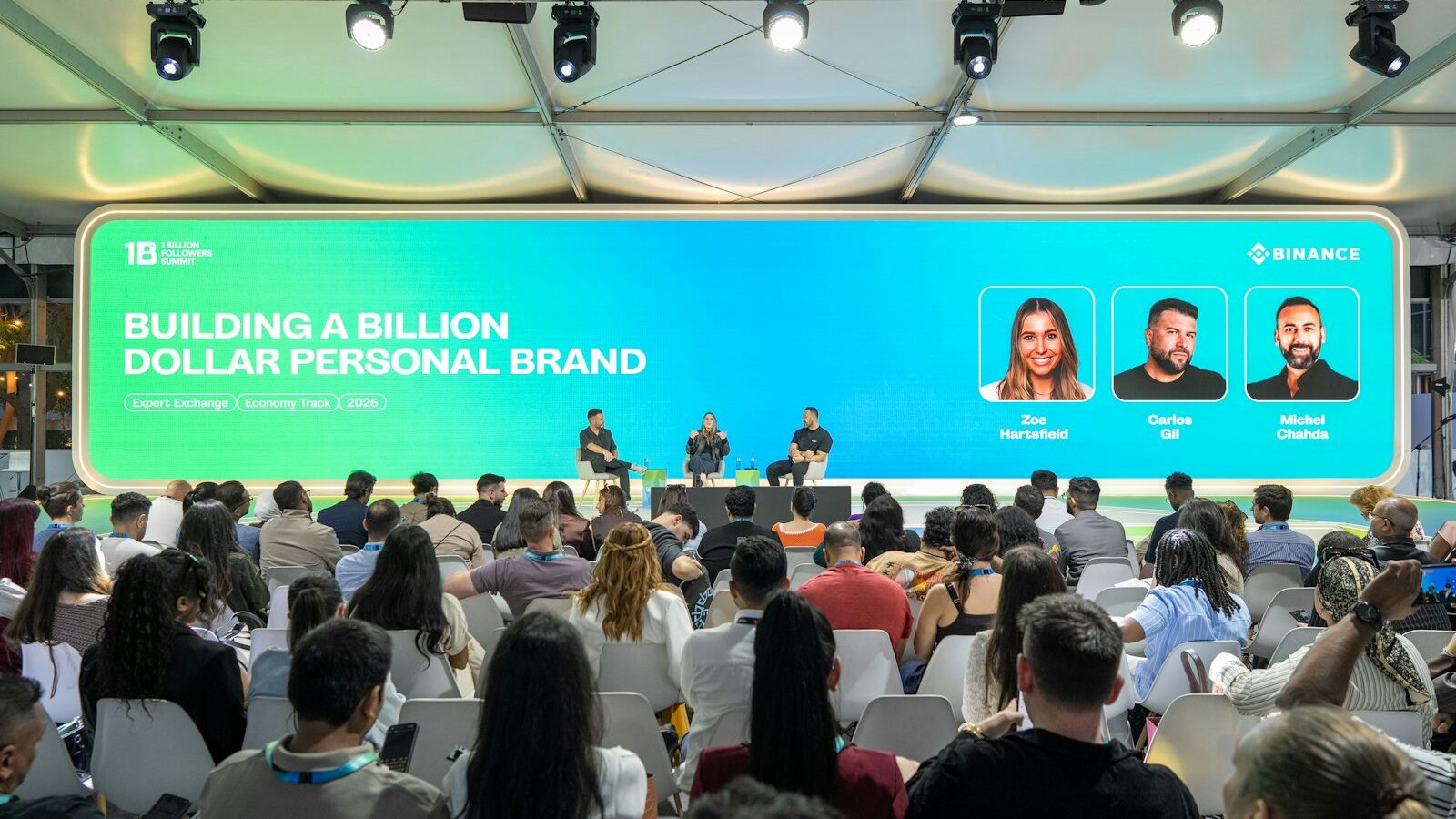
- Speaking and events. Speaking on a panel, at a meetup, or in a webinar puts a face and a voice to your name and creates content you can share afterwards.
- Thought leadership. Longer articles, a newsletter, or considered commentary on your industry position you as someone who thinks, not just does.
- A portfolio or body of work. For designers, developers, writers, and consultants, a clean portfolio or case-study page is proof that outranks any claim.
The point is not to be everywhere. It is to be genuinely present in one place your target audience already trusts.
Comparing Tactics by Effort and Impact
Different tactics cost different amounts of time and pay back at different speeds. Use this to plan realistically rather than trying everything at once.
| Tactic | Effort to start | Time to see impact | Reach potential | Good first move if you want to |
|---|---|---|---|---|
| Optimised LinkedIn profile | Low | Immediate | Steady | Be found when someone searches your name |
| Regular LinkedIn posts | Medium | Weeks to months | High | Stay top of mind in your field |
| Speaking at events | Medium to high | Per event | Focused but strong | Build trust with a specific audience fast |
| Long-form articles/newsletter | High | Months | Compounding | Be seen as a deep expert over time |
| Portfolio or case studies | Medium | Immediate once live | On demand | Prove skill to clients and hiring managers |
A sensible sequence for many newcomers is: fix the profile first, then add a portfolio, then start posting, and only later take on speaking or long-form writing once you have found your voice.
Adapting a China-Built Brand for a Singapore and International Audience
What worked on Chinese platforms will not always land here, and a few adjustments matter.
Show, do not just assert. Chinese professional culture sometimes leans on titles and impressive affiliations. Singapore and international audiences respond more to specific, demonstrated results: what you did, what changed, and the number that proves it.
Give value before you sell. Posts that teach, explain, or share a useful lesson build far more goodwill than posts that only promote you. Aim to be helpful first and let the reputation follow.
Localise your examples. Reframe your China achievements in terms your new audience understands, and connect them to Singapore or regional relevance where you can. A win described only in a domestic Chinese context may not register; the same win framed around a transferable skill will.
Mind the platform culture. LinkedIn here rewards a professional, relatively understated tone. The high-energy, hard-sell style that performs on some Chinese platforms can read as boastful to a Singapore audience, so dial it toward calm confidence.
Authenticity Versus Self-Promotion
Many newcomers freeze here, worried that posting about themselves looks arrogant, a discomfort that runs deep in Chinese modesty norms. The resolution is to reframe self-promotion as sharing. You are not shouting about how great you are; you are sharing something useful and letting your competence show through the substance.
Practical guardrails keep you on the right side of the line:
- Post mostly about the work, the lessons, and the field, not about yourself directly.
- When you do share a win, attach the lesson others can use from it.
- Be consistent between what you post and how you actually work; a brand you cannot live up to collapses on first contact.
- Credit collaborators and admit what you are still learning. Honesty reads as confidence, not weakness.
Authenticity is not the opposite of visibility. The most durable personal brands are simply accurate: a true, well-communicated picture of a real professional.
Language Considerations
Your brand can be bilingual, and that is an asset, not a liability. If you are more fluent writing in Chinese, draft in Chinese and translate, but have important public posts checked so the English reads naturally. Clear, simple English beats elaborate phrasing every time, and small errors matter less than most newcomers fear. Being visibly bilingual and comfortable across China and Singapore is itself a distinctive brand, especially for roles that bridge the two markets. As your English grows, so will the range of your voice.
Explore More
A personal brand grows fastest when it is connected to real people, so read our guide to networking and LinkedIn for newcomers in Singapore alongside this one. Since so much of your public presence here will be in English, our guide to learning English for Mandarin speakers in Singapore can help you post with more confidence. Build steadily and honestly, and let your work do most of the talking.