
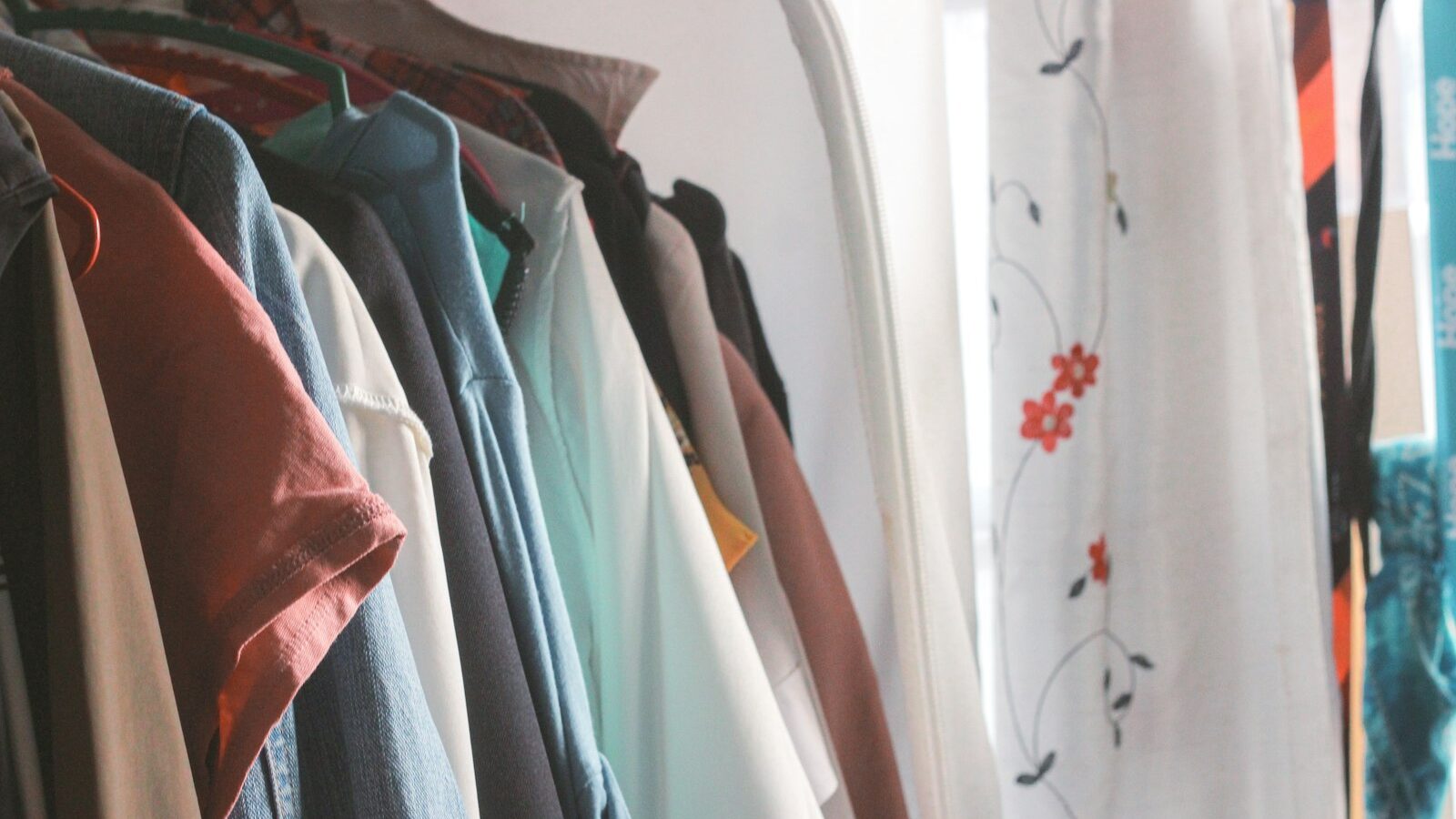
Buying secondhand clothes on Carousell can save you real money and keep good garments out of the bin, but a screen only tells you so much. You cannot feel the fabric or try things on, so a little care up front makes the difference between a happy find and a regret. This guide walks through the practical checks that experienced preloved shoppers in Singapore use every day, so you can browse with confidence and dress well without paying full retail.
Why Preloved Shopping Makes Sense Here
Singapore’s wardrobes turn over quickly. People buy for a wedding, a trip or a phase, wear an item once or twice, then pass it on. That churn means a lot of nearly new clothing sits waiting for a second owner at a fraction of the original cost. Choosing preloved is also one of the honest ways to shop more sustainably: you extend the life of something already made, rather than adding demand for something new. There is no perfect green choice in fashion, but wearing an existing garment longer genuinely stretches the resources already spent on it.
The trade-off is effort. New retail is predictable, while secondhand is a hunt. You search, you wait, you check details, and sometimes you walk away. The payoff is variety you will never find on a shop rail, often including older cuts and quality pieces that are no longer sold.
Reading a Listing Properly
The listing is your only evidence before you commit, so slow down and read it like a detective. A good seller gives you enough to judge fit and condition without asking. A thin listing is not always dishonest, but it means more questions before you pay.
Look closely at these things:
- Photos. You want clear, well lit shots of the actual item, not a stock or catalogue image. Ask for extra photos of the label, the inside seams, and any wear.
- Measurements. Sizes are inconsistent across labels and countries, so numbers matter more than a size tag. If measurements are missing, request the flat lay figures for chest, waist, length and shoulders.
- Condition notes. Words like “worn once”, “small mark near hem” or “slight pilling” tell you the seller has actually inspected it. Honesty about flaws is a good sign.
- Reason for selling. It is a small detail, but “bought the wrong size” or “decluttering” reads very differently from a vague blank.
If a photo looks too polished or the price seems far below everything similar, treat that as a prompt to ask more, not a reason to rush.
Getting the Fit Right Without a Fitting Room
Fit is where most secondhand disappointment happens, and it is avoidable. The trick is to stop trusting size labels and start trusting measurements. Take a garment you already own that fits you well, lay it flat, and measure it. Then compare those numbers to the seller’s figures. If you are unsure how to do this properly, our guide on how to take your measurements for online shopping walks through every reading step by step.
Fabric behaves differently too. Cotton and linen breathe well in our humidity but can shrink or crease. Structured pieces like blazers are harder to alter, so fit matters more there than with a loose dress. When in doubt, message the seller and ask them to measure a specific point. Most are happy to help, and their willingness tells you a lot about the transaction ahead.
Meeting Safely and Paying Sensibly
Once you have agreed on an item, the handover is the part to get right. The vast majority of deals go smoothly, and a few simple habits keep it that way. Meet in a busy public place such as an MRT station, a mall atrium or a well used void deck, ideally in daylight. Bring a friend if the item is expensive, and inspect the piece before you hand over any money so there are no surprises.
For payment, keep everything inside the platform’s own messaging and payment tools where you can. That paper trail protects both sides if something goes wrong. Be wary of anyone who pushes you to move the chat elsewhere, asks for payment through an unusual link, or requests a large deposit before you have seen the item. If a deal feels rushed or strange, it is completely fine to step back.
| Green flags | Red flags |
|---|---|
| Clear photos of the real item, including labels | Only stock or catalogue images |
| Measurements listed or shared on request | Vague replies and no numbers |
| Honest notes about small flaws | “Perfect condition” with no detail |
| Happy to meet in a public place | Pushes to pay off-platform or upfront |
| Reasonable price for the condition | Price far below everything comparable |
Judging Quality and Value
A low price is only a bargain if the garment lasts. Before you buy, think about condition against cost. Check the seams for fraying, the zips and buttons for smooth working, the underarms and collar for staining, and the whole piece for pilling or thinning fabric. Small issues like a loose button or a short hem drop are easy and cheap to fix, so they can even be a bargaining point. Structural problems like a broken zip on a fitted dress or a torn lining are more work and worth factoring into what you offer.
Value is best judged by cost per wear rather than the sticker alone. A well made shirt you will wear weekly for years is worth more than a trend piece you will bore of by the next season. This is where secondhand shines: you can often buy better made, longer lasting clothing for less than the price of new fast fashion. For the pieces you will lean on constantly, spending a little more on quality usually pays you back.
Building Good Buying Habits
The people who consistently find great preloved pieces are patient and specific. Save searches for the items and brands you actually want, so new listings come to you instead of you scrolling endlessly. Follow sellers whose taste and sizing match yours, since a good match tends to list more things you will like. Keep a short list of the measurements that fit you well, and check every listing against it before you get attached to a photo.
Finally, buy for your real life, not for a fantasy version of it. The best secondhand purchase is the one you reach for again and again, not the impulse steal that hangs unworn. Shop slowly, ask questions, and let the good pieces find you.
Explore More
Preloved shopping pairs well with knowing exactly what fits you, so start with how to take your measurements for online shopping before you buy. If you also love a bargain in person, see our guide to sample and warehouse sales, and for shopping with a conscience, read how to choose ethical clothing brands.