
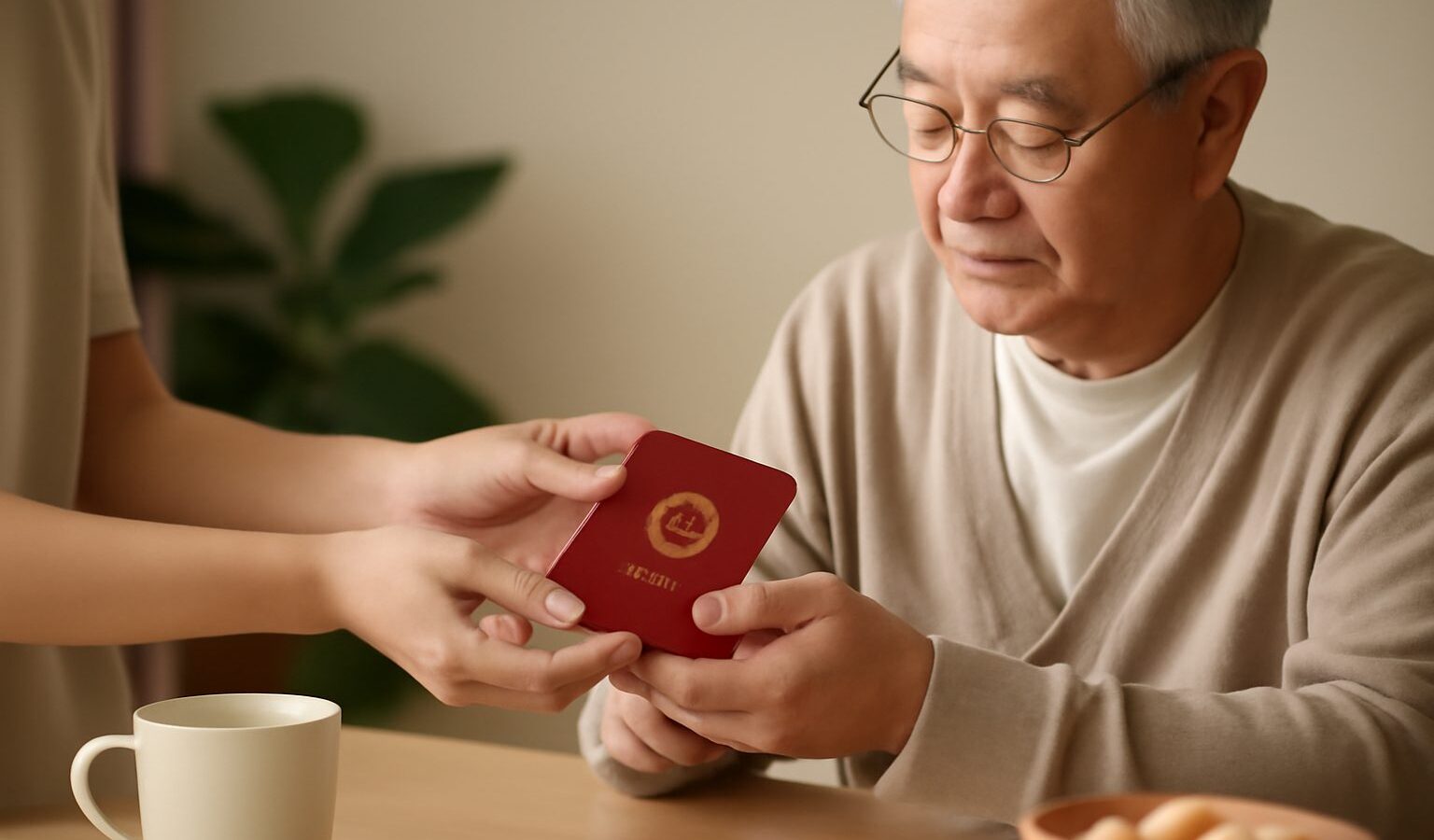
When you leave the mainland for Singapore, one question that rarely gets answered clearly is what happens to your Shebao 社保, the social insurance you have been paying into for years. Managing your china social insurance abroad is not just paperwork. Those contributions sit behind your future pension, your medical cover back home, and other benefits you may have assumed would always be there. This guide explains how the system generally works when you move, so you can make deliberate choices rather than letting your account drift.
It is general information, not personalised financial, legal, or medical advice, and the rules change and vary by city, so confirm your own situation with the relevant Chinese authorities before you decide anything.
What Shebao Covers and Why It Matters Abroad
Shebao is China’s bundle of social insurance. In broad terms it covers pension, medical, unemployment, work injury, and maternity, with contributions usually made partly by the employer and partly by the employee while you are working in China. Alongside it, many people also have a housing fund, the gongjijin 公积金, which is related but administered separately.
Once you move to Singapore and stop working for a China-based employer, the employer contributions naturally stop, because there is no longer a mainland payroll behind you. The key point for people living abroad is that your account does not simply vanish. The balance and the contribution history you have built up generally remain recorded, but whether and how you can keep contributing, pause, or draw on it later depends on the specific insurance type and on the rules of the city where your account sits.
Because these rules are administered locally and change over time, the single most useful habit is to keep your account details, your social security card, and your login for the local social insurance portal accessible from overseas.
Pension Contributions and Your Accumulated Years
The pension pillar is usually the part people care about most, because entitlement is tied to the number of years you have contributed. Those accumulated years are valuable, and the general principle is that stopping contributions does not erase the years you already have.
What is far less certain, and genuinely varies, is what you can do next. Depending on your city and your circumstances, options that people ask about include pausing contributions and preserving the record, continuing to contribute on a voluntary or flexible-employment basis, or dealing with the account if you later change your nationality status. Each of these has conditions, and the treatment can differ for the pooled portion versus your individual account.
Do not assume that a rule you read about for one province applies to yours. The safe approach is to confirm, with the local social insurance bureau or through the relevant Chinese authorities, exactly what your options are before you let contributions lapse or attempt any withdrawal.
Medical and Other Benefits When You Are Overseas
Medical insurance under Shebao is designed around treatment in China, so while you are living in Singapore it is generally not something you rely on for day-to-day care here. Your everyday healthcare needs will be met through Singapore’s own system and any private cover you arrange.
That does not always make your China medical account worthless. Balances in a personal medical account may still exist, and cover can matter again if you spend extended time back in China. The practical questions, such as whether cover stays active while you are away and what happens on your return, are exactly the kind that depend on local rules, so they should be checked with the administering authority rather than assumed.
The other components, unemployment, work injury, and maternity, are tied to active employment in China, so in most cases they are simply not in play once you are working overseas.
How Shebao and Singapore CPF Compare
Newcomers often try to map Shebao onto Singapore’s Central Provident Fund. They are both social systems funded by ongoing contributions, but they are separate national schemes with no automatic bridge between them. The comparison below is a general orientation, not a rule for any individual.
| Feature | China Shebao 社保 | Singapore CPF |
|---|---|---|
| Who administers it | Local social insurance bureaus in China | CPF Board in Singapore |
| Who contributes | Employer and employee while working in China | Employer and employee, per CPF Board rules |
| What it covers | Pension, medical, unemployment, work injury, maternity | Retirement, healthcare, and housing needs |
| While you live in the other country | Contributions from a mainland employer stop; record generally preserved | Contributions relate to work in Singapore; eligibility per CPF Board |
| Transfer between the two | No automatic transfer of balances or years | No automatic transfer of balances or years |
The headline is that there is no automatic transfer of your Shebao balance or your contribution years into CPF, or the other way round. They run in parallel. Whether you build CPF at all depends on your work and status in Singapore, which the CPF Board can confirm.
Practical Steps Before and After You Move
You can save yourself a lot of stress by handling a few things while your access is still easy.
- Note your Shebao account details, contribution city, and accumulated years before you leave, and keep your social security card safe.
- Make sure you can log in to the local social insurance portal or app from overseas, since remote access is often the only practical channel later.
- Ask your former employer or the local bureau how your account is treated once mainland contributions stop, and get it in writing where you can.
- Keep any housing fund, the gongjijin, on your checklist too, because it is administered separately from Shebao.
- Before any withdrawal, transfer, or change linked to a change in status, confirm the current process, because these steps are hard to reverse.
Treat anything you read in a chat group as a prompt to check, not as the answer. This article is general information, not personalised financial, tax, legal, or medical advice, and rules on both sides of the border change. China’s social insurance rules in particular vary by city and by cohort, so verify current requirements with the Chinese Embassy or Consulate in Singapore or the relevant Chinese authorities, and confirm anything about CPF with the CPF Board.
Explore More
If you are weighing up your longer-term finances, Retirement Planning for Chinese Nationals in Singapore looks at the bigger picture, while CPF for PRs in Singapore explains how the Singapore side works once you are a permanent resident. For managing assets you still hold back home, see Managing China Property From Singapore.