
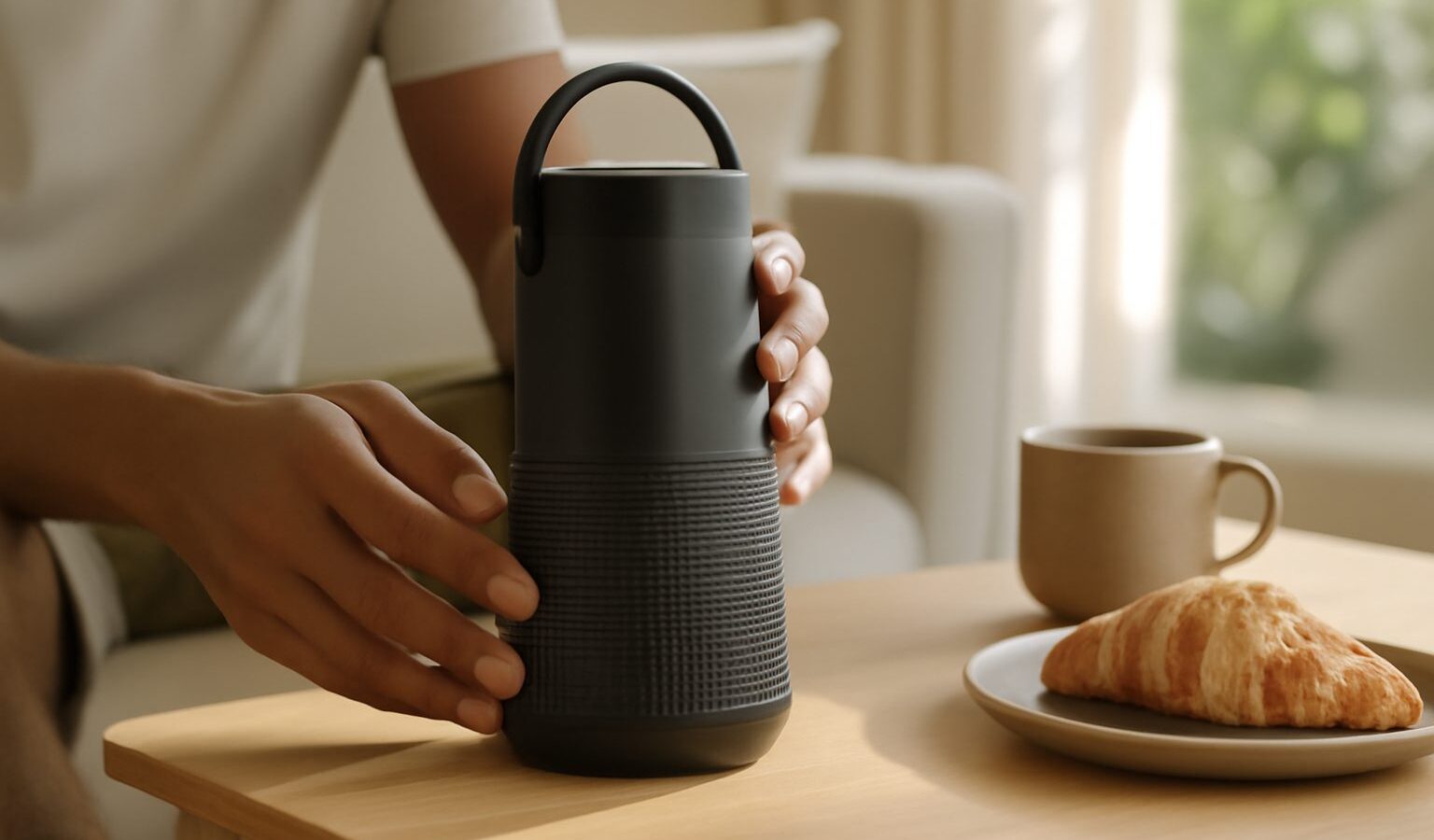
Picking a portable bluetooth speaker in Singapore sounds simple until you stand in a shop or scroll an online marketplace and see dozens of boxes that all promise “big sound”. The good news is you do not need to be an audio expert. You just need to know what actually matters for how you live here, in a small HDB flat, on the MRT, at the beach on a weekend, or in a void deck gathering. This guide walks you through what to look for in plain language, so you spend once and spend well.
A bluetooth speaker is simply a wireless speaker that connects to your phone or laptop over a short-range radio link, no cables and no special app required to play. Beyond that basic idea, the differences come down to size, sound, battery, durability, and a few features that are easy to overlook.
Match the Speaker to Where You Will Use It
Before comparing sound, decide where the speaker will spend most of its life. This one decision narrows your choices faster than any spec sheet.
- A speaker that stays on your desk or kitchen counter can be larger and heavier, because you are not carrying it around.
- A speaker for the pool, East Coast Park, or a hike needs to be light, rugged, and easy to clip or toss into a bag.
- A speaker for a bigger gathering at a void deck or chalet needs more volume and battery than a personal one for your room.
Buying one speaker to do everything usually means it does nothing especially well. If your budget is tight, pick the single use case you will actually repeat most weeks, and choose for that.
Sound Quality Without the Jargon
Marketing loves big numbers, but a few simple checks tell you more than any figure on the box.
- Loudness with clarity. A speaker should get loud enough for your space without the sound turning harsh or buzzy at high volume. If you can, test it near the top of its range in the shop.
- Balance. Good sound has clear voices, present mids, and bass that you feel without it drowning everything else. Speakers that push heavy bass in a demo can sound tiring after an hour.
- Size sets the limit. Physics is honest here. A tiny speaker cannot produce deep, room-filling bass no matter what the label claims. Bigger cabinets move more air and simply sound fuller.
- Stereo pairing. Many speakers can link two of the same model for left and right sound. Useful if you may want to expand later, so check whether the one you like supports it.
Trust your own ears over the spec list. Play a song you know well and listen for whether voices sound natural and whether it stays pleasant when loud.
Battery, Charging and Portability
Battery claims are measured at low volume, so treat the stated hours as a best case and expect less when you play loud. What matters day to day:
- Real playtime for how you use it. If you host long, plan for a speaker that comfortably outlasts the event with margin.
- Charging port. Prefer USB-C so you can share the same cable and chargers as your phone and other newer gadgets. Older ports mean carrying an extra cable.
- Powerbank feature. Some speakers can top up your phone from their battery. Handy on a long day out, though it drains the speaker faster.
- Weight and grip. Pick it up before buying. A speaker that feels heavy in the shop feels heavier after an hour in your bag.
Water Resistance and Singapore Humidity
Our climate is hot, humid, and prone to sudden downpours, so durability is not a luxury here. Look for a water and dust resistance rating, usually shown as an IP code with two digits. The first digit covers dust, the second covers water, and higher is tougher. As a rough guide:
- Splash resistant handles light rain and kitchen splashes.
- Fully waterproof survives being rinsed or briefly submerged, which suits the pool and beach.
Even a resistant speaker benefits from care. Rinse off sand and salt water with clean fresh water after a beach day, dry it before charging, and store it somewhere ventilated rather than a sealed damp bag, since trapped humidity encourages mould around the fabric and grille.
Pairing, Range and Everyday Extras
The connection is where cheap speakers often frustrate you. A few features make daily use smoother:
- Stable range. Bluetooth typically reaches across a normal room. Thick HDB walls and crowded wireless environments can shorten this, so a speaker that reconnects quickly and holds a steady link matters more than a big range claim.
- Multipoint or fast reconnect. The ability to remember your phone and reconnect the moment you power on saves fiddling every time.
- Built-in microphone. Lets you take calls through the speaker, useful at home though rarely great in noisy outdoor settings.
- Physical buttons. Real buttons for volume, play, and skip are easier than reaching for your phone, especially with wet hands.
- App support. Optional apps can add an equaliser to tune the sound, but a good speaker should sound fine with no app at all.
Here is a quick way to weigh the common types against each other before you decide.
| Speaker type | Best for | Trade-off to accept |
|---|---|---|
| Pocket or clip-on | Commuting, cycling, personal listening | Limited bass and modest maximum volume |
| Mid-size rugged | Beach, park, general daily use | Bulkier to carry every day |
| Large party style | Void deck gatherings, chalets, groups | Heavy, and needs regular charging |
| Desk or shelf style | Home rooms and kitchens | Not built to be carried or splashed |
When to Spend More, and When Not To
Prices swing a lot across IT fairs, year-end sales, and online marketplace promotions, so timing a purchase around a known sale season often stretches your budget further. Spend more when durability and battery genuinely matter to you, since a rugged, waterproof speaker that lasts years is better value than a cheap one you replace yearly after it fails in the humidity.
Do not overpay for volume you will never use in a flat, or for features you will not touch. A calm, honest test in the shop beats any marketing claim. Play your own music, hold the speaker, check the port, and picture where it will really live. Buy for that, and you will enjoy it long after the sale sticker is forgotten.
If in doubt, borrow a friend’s speaker for a weekend first. Living with one for a few days teaches you more about what you want than any showroom demo.
Explore More
For the wider home setup, see our guide on getting better TV picture and sound, which pairs well with a good speaker for movie nights. If you are shopping for more gear, our walk-throughs on choosing a keyboard and mouse and understanding USB-C and charging cables help you buy smart across all your devices.