
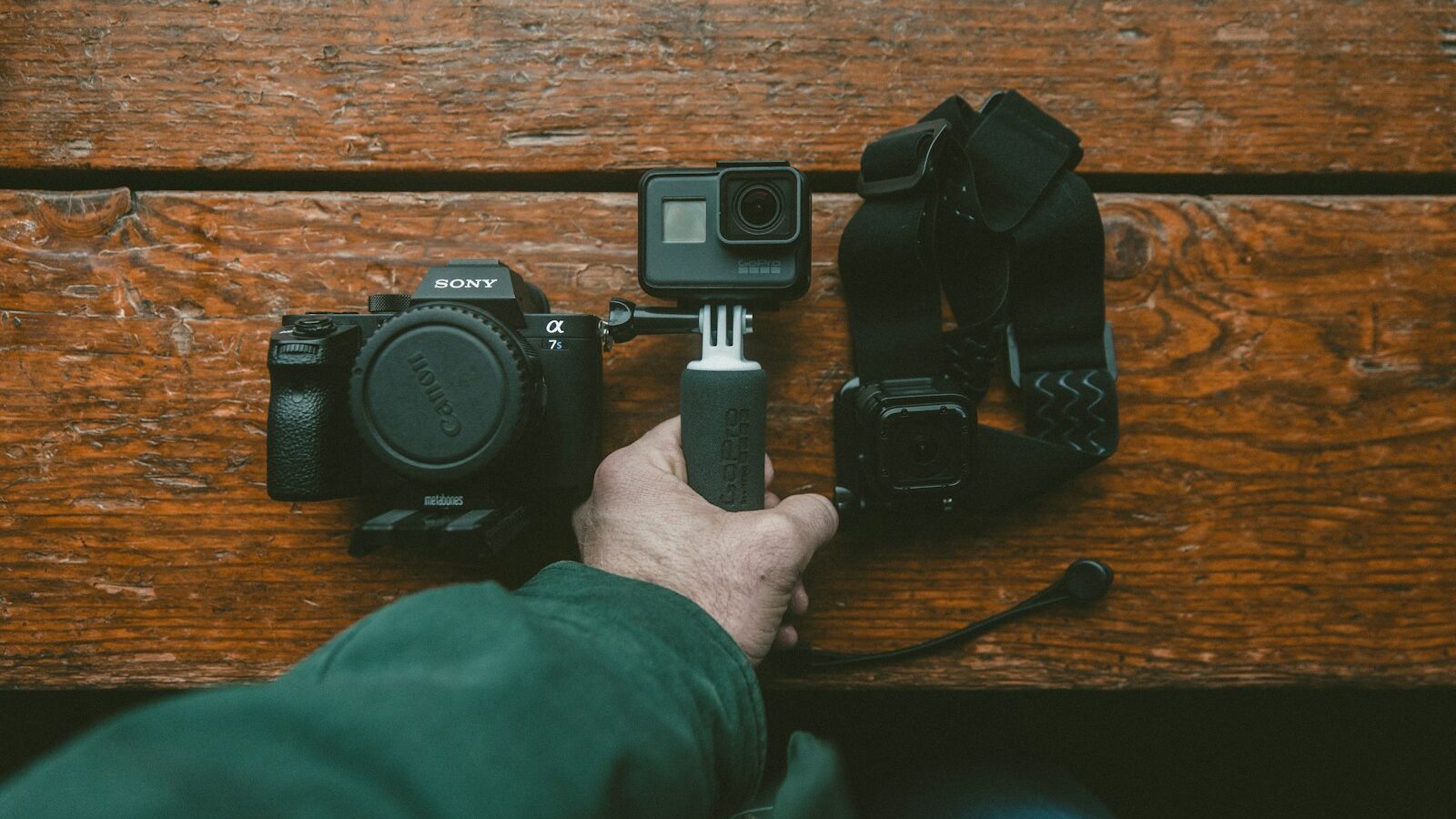
Finding an action camera singapore adventurers can trust to survive water, dust and knocks while capturing smooth footage is easier once you know which features actually matter. An action camera is a small, rugged device built to record hands-free while you cycle, swim, dive, travel or chase your children around a park. Unlike a phone, it is designed to be mounted, dropped, splashed and generally abused, all while keeping your footage steady. But the category is full of jargon, so this guide focuses on the features that make a real difference to your videos rather than the numbers printed on the box.
Begin by thinking about what you will film. A cyclist wants rock-steady footage and a wide view of the road. A swimmer or diver needs genuine waterproofing and good performance underwater. A traveller values compact size and long battery life. A parent filming everyday moments wants simplicity and quick sharing. Your main use case should guide every other decision, because a camera optimised for diving is not the same as one optimised for vlogging.
Features That Make Or Break Your Footage
Stabilisation is the single most important feature in a modern action camera. Because these cameras are worn or mounted on moving objects, raw footage would otherwise be a shaky, unwatchable mess. Electronic stabilisation smooths out bumps and vibrations, turning jerky clips into footage that looks almost as if it were shot on a gimbal. When comparing cameras, strong stabilisation should sit near the top of your list, because no amount of resolution rescues shaky video. Look for reviews that show real handheld and mounted footage rather than trusting marketing terms alone.
Waterproofing determines where you can film. Many action cameras are waterproof to a useful depth on their own, which covers rain, splashes, pools and shallow snorkelling. For deeper diving you will usually need a dedicated waterproof housing, so check the rated depth and whether a housing is available if underwater filming is your goal. Even if you never plan to dive, water resistance is reassuring in our frequent downpours and humid conditions, where a sudden shower can catch you out.
Video resolution and frame rate shape your final image. Higher resolution captures more detail and gives you room to crop or reframe later, while higher frame rates enable smooth slow-motion. That said, the highest settings produce enormous files and drain the battery quickly, so most people are well served by a sensible middle ground rather than always filming at the maximum. Consider how you will actually watch and share your videos, because ultra-high resolution is wasted if your footage only ever appears on a phone screen.
The field of view, meaning how wide the lens sees, is a signature trait of action cameras. A very wide view captures the whole scene and exaggerates speed and scale, which suits sports and landscapes. Some cameras let you narrow the view for a more natural look, which flatters vlogging and reduces the fisheye distortion that a very wide lens can introduce. Flexibility here is genuinely useful.
Battery life and heat are practical realities. Action cameras are small, so batteries are limited, and demanding settings shorten recording time further. In our warm climate, filming at high settings for long stretches can also make a camera heat up and pause to protect itself. Carrying a spare battery or two is the simple solution, and swappable batteries are far more convenient than sealed ones for a full day out.
Mounts, Tiers and Buying Advice
An action camera is only as useful as your ability to attach it where you want. The vast ecosystem of mounts, including chest harnesses, helmet mounts, handlebar clamps, suction mounts and floating grips for water, is a major part of the appeal. Before buying, think about how you will mount the camera for your activity and check that suitable accessories exist. A camera that cannot attach where you need it is little use, however good its footage.
The table below outlines the general tiers to help you match spending to your needs, without listing models or prices.
| Tier | Typical strengths | Best for | Trade-offs |
|---|---|---|---|
| Entry | Basic stabilisation, decent resolution | Casual users, first-timers | Weaker in low light, fewer features |
| Mid-range | Strong stabilisation, wider features | Most enthusiasts and travellers | Not the absolute sharpest |
| Premium | Top stabilisation, high resolution, extras | Serious creators, demanding sports | Higher cost, larger files |
| Rugged niche | Extreme waterproofing or durability | Divers, extreme conditions | Specialised rather than versatile |
Entry cameras suit casual users who want simple, shareable clips. Mid-range models are the sweet spot for most buyers, combining excellent stabilisation with a broad feature set. Premium cameras reward serious creators who need the best image quality and the latest features, though they cost more and produce larger files. Rugged niche options exist for specific demands like deep diving, so choose one only if your activity truly requires it.
For buyers here, a few local considerations apply. Our climate means humidity, rain and bright sun, so genuine water resistance and a screen you can see outdoors are valuable. Favour sellers with local warranty and support, since a camera used in tough conditions may eventually need service. A fast memory card is essential for high-resolution recording, and cheap slow cards cause dropped footage, so buy a reputable card rated for video. Finally, plan your storage and battery strategy for a full day out, because nothing is worse than a dead camera at the best moment.
Resist the temptation to overspend on resolution you will never use. For most people, superb stabilisation, dependable water resistance, the right mounts and a spare battery matter far more than a headline pixel count. Match the camera to your main activity, prioritise steady footage above all, and check that mounts and support are available. Do that and your adventures will look as good on screen as they felt in the moment.
Explore more
Camera Buying Guide
Take Better Photos With Your Phone
How to Choose the Right Gadget
How to Read Tech Specs and Jargon