
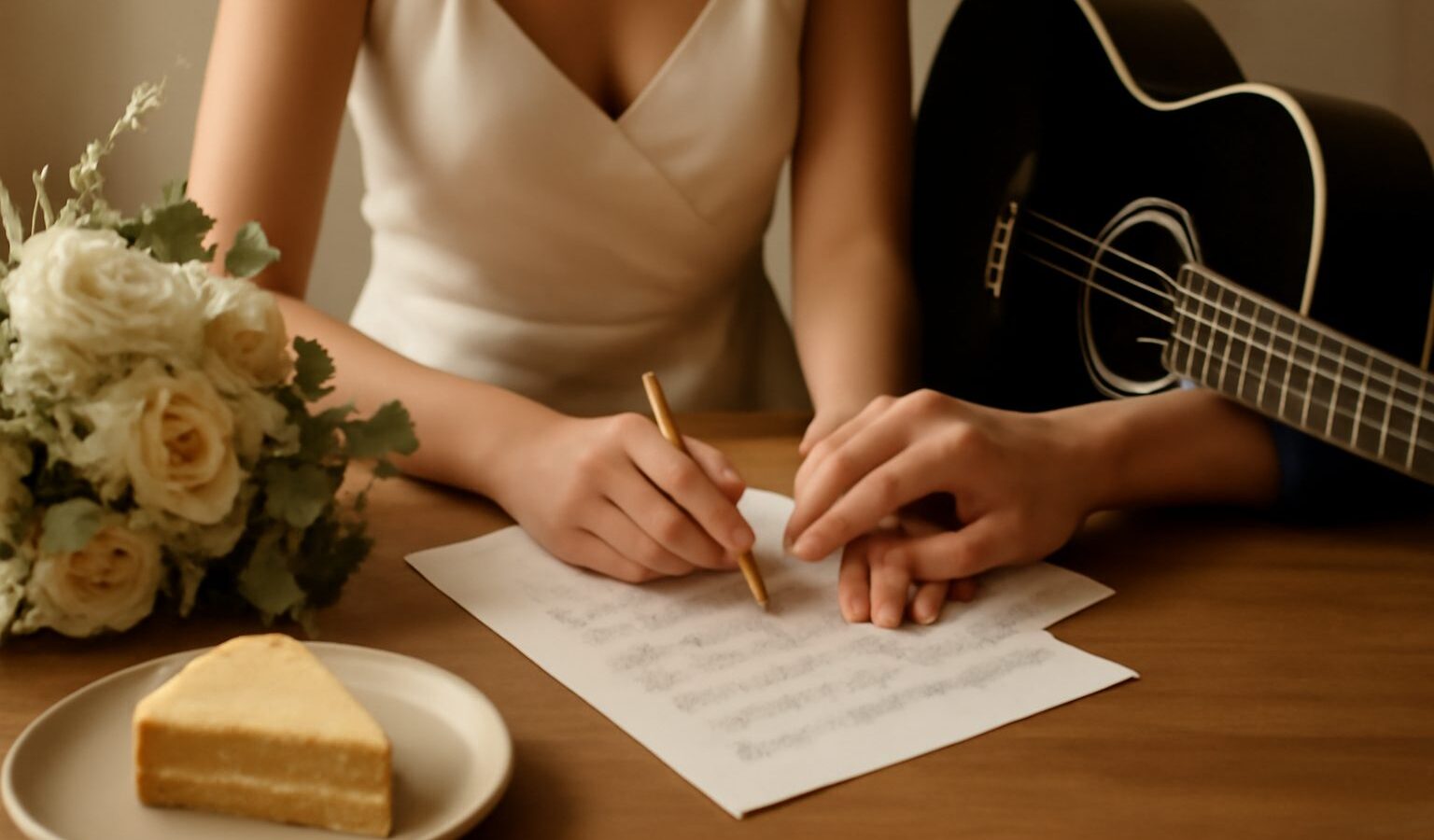
Music is the emotional thread that runs through a ceremony, guiding guests from arrival to the first kiss and the walk back out. Choosing wedding ceremony music thoughtfully means each moment, the gathering, the entrance, the vows and the exit, has a sound that fits its weight. Whether your ceremony is a hotel solemnisation, a garden gathering or a service at a place of worship, this guide covers what ceremony music is for, how to choose it, what to weigh up, and the mistakes to sidestep.
What Ceremony Music Is For
Ceremony music does more than fill silence. It signals transitions, so guests know when to settle, when to stand, and when the couple is arriving. It shapes emotion, lifting the room for the entrance and softening it for the vows. And it carries meaning, letting you choose pieces that reflect your relationship, your culture or your faith.
Ceremony music is distinct from reception music. The ceremony calls for pieces that support a sacred or heartfelt moment rather than fill a dance floor, so the choices are usually gentler and more deliberate. Once the vows are done and the celebration begins, the mood shifts; if you are still deciding how to handle the party, our guide to wedding live band vs DJ covers the reception side.
Keeping the two separate in your mind helps you choose well. Ask what each ceremony moment should feel like, then find music that serves that feeling, rather than picking favourite songs and forcing them in.
How to Choose Your Ceremony Music
Break the ceremony into its musical moments and choose a piece for each:
- Prelude: the background music as guests arrive and are seated. Keep it soft and unobtrusive, setting a warm, calm tone.
- Processional: the entrance music for the wedding party and the couple. This is a signature moment, so pick something with a clear, steady feel; our guide to planning your wedding processional explains how to line the music up with the walk.
- The vows and any readings: usually spoken over silence, though a soft instrumental can underscore a reflective pause.
- The signing or ring exchange: a gentle piece to cover the quiet minutes while documents are signed or rings are given.
- Recessional: the exit music as you walk back out, typically the most joyful, upbeat piece of the ceremony.
When choosing actual songs, weigh the lyrics as well as the melody, since words carry meaning at a wedding; a beautiful tune with unsuitable lyrics can jar. Blend the familiar with the personal, and if your ceremony is at a place of worship, check which pieces are welcome, as some venues have their own guidance on music.
Tie your choices into your written running order so musicians and your officiant know exactly what plays when; see creating your wedding order of service for laying this out clearly.
Live or Recorded: What to Weigh Up
A core decision is whether to use live musicians, recorded tracks, or a mix. Each suits different ceremonies, and the right answer depends on your venue, budget and taste.
| Approach | Best suited to | Strengths | Things to plan for |
|---|---|---|---|
| Live musicians | Ceremonies wanting warmth and presence | Emotional, elegant, adapts to timing | Higher cost; needs space and power |
| Recorded tracks | Simple or budget-conscious ceremonies | Exact versions, affordable, reliable | Needs a good speaker and a cue-giver |
| A mix of both | Couples wanting highlights live | Live for key moments, recorded for the rest | Coordinate transitions carefully |
| Venue’s own musicians | Places of worship with resident players | Familiar with the space and rites | Follow the venue’s repertoire guidance |
The table highlights the real trade-off: live music brings presence and can stretch or shorten to match a walk that runs long or short, while recorded tracks give you the exact recording your guests know at a lower cost, provided someone reliable handles the cues and the sound system is good. A mix, live for the processional and recessional, recorded elsewhere, is a popular middle path. Defer pricing to the musicians you approach, since it depends on the group size and hours, and let the feel you want lead the decision.
Whatever you choose, sort out the sound: a tested speaker or microphone set-up, someone dependable to play or cue each track, and a backup device in case technology falters. Poor sound undoes even the best song choice, so treat the technical side as seriously as the selection.
Fitting the Music to the Whole Day
Ceremony music should feel connected to everything around it. Coordinate with whoever runs your schedule so cues land on time and nothing overlaps; a wedding day coordinator or a trusted friend can signal each piece so the ceremony flows without awkward gaps or early fades.
Think about continuity, too. If you are writing your own vows or exchange, choose music that frames those words rather than competing with them; our note on writing your solemnisation ceremony script pairs naturally with your music plan. The prelude, the vows and the recessional should feel like chapters of one story, not a shuffle of unrelated tracks.
Finally, respect the setting. An intimate garden solemnisation calls for a lighter touch than a grand ballroom, and a service at a place of worship follows that community’s own customs. Match the scale and style of your music to where you are, and the whole ceremony will feel coherent.
Common Mistakes to Avoid
- Ignoring the lyrics. A lovely melody with unsuitable words can undercut a solemn moment; read the lyrics through.
- Neglecting the sound system. Great songs on a weak speaker fall flat; test the audio and have a backup.
- No one on cues. Music that starts late or fades early breaks the mood; assign a reliable cue-giver.
- Forgetting venue rules. Some places of worship guide which music is welcome; check before you finalise.
- Overloading the ceremony. Too many songs make it feel like a playlist; choose a piece per moment and let each breathe.
- Mismatching music and walk. An entrance song that ends before you arrive feels awkward; time it to the processional.
Choose a piece for each moment, decide between live and recorded with your venue and budget in mind, and get the sound and cues right. Do that, and your ceremony music will carry the day exactly as you hoped.
Explore more: planning your wedding processional, creating your wedding order of service, and wedding live band vs DJ.