
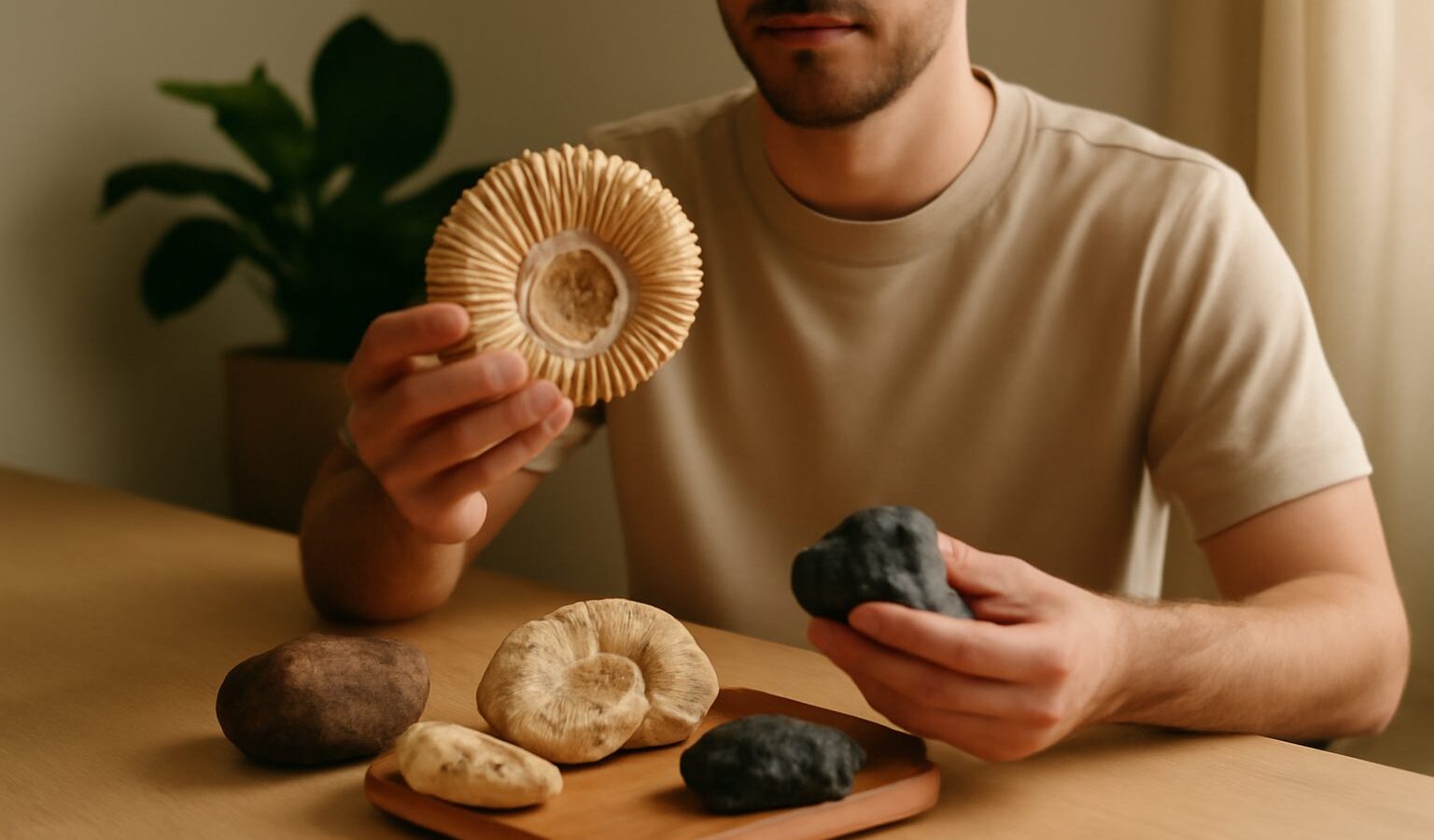
To hold a fossil is to hold deep time in your hand. A shell turned to stone, the imprint of an ancient leaf, a tooth from a creature that vanished long ago: these are small windows into the story of our planet. Meteorites go a step further, being pieces of rock and metal that fell from space. Collecting fossils in Singapore, along with the occasional meteorite, is a rewarding hobby for anyone who loves science, nature, and beautiful objects. This guide will help you start responsibly and enjoyably.
Because Singapore does not have fossil-hunting sites of its own, most local collectors build their collections by buying specimens rather than digging. That makes ethical, informed buying the heart of the hobby here.
Why These Objects Fascinate Collectors
A fossil or meteorite is a genuine object from an unimaginably distant time or place. Collectors love the science behind each piece: what kind of animal or plant it was, how old it is, and how it formed. Others simply enjoy the beauty of a polished ammonite or the strange, dense weight of an iron meteorite.
This hobby sits close to other earth-science pursuits. If you enjoy rocks and crystals, our guide to rock and mineral collecting is a natural companion, and the general habits in how to start a collection as a hobby apply here too.
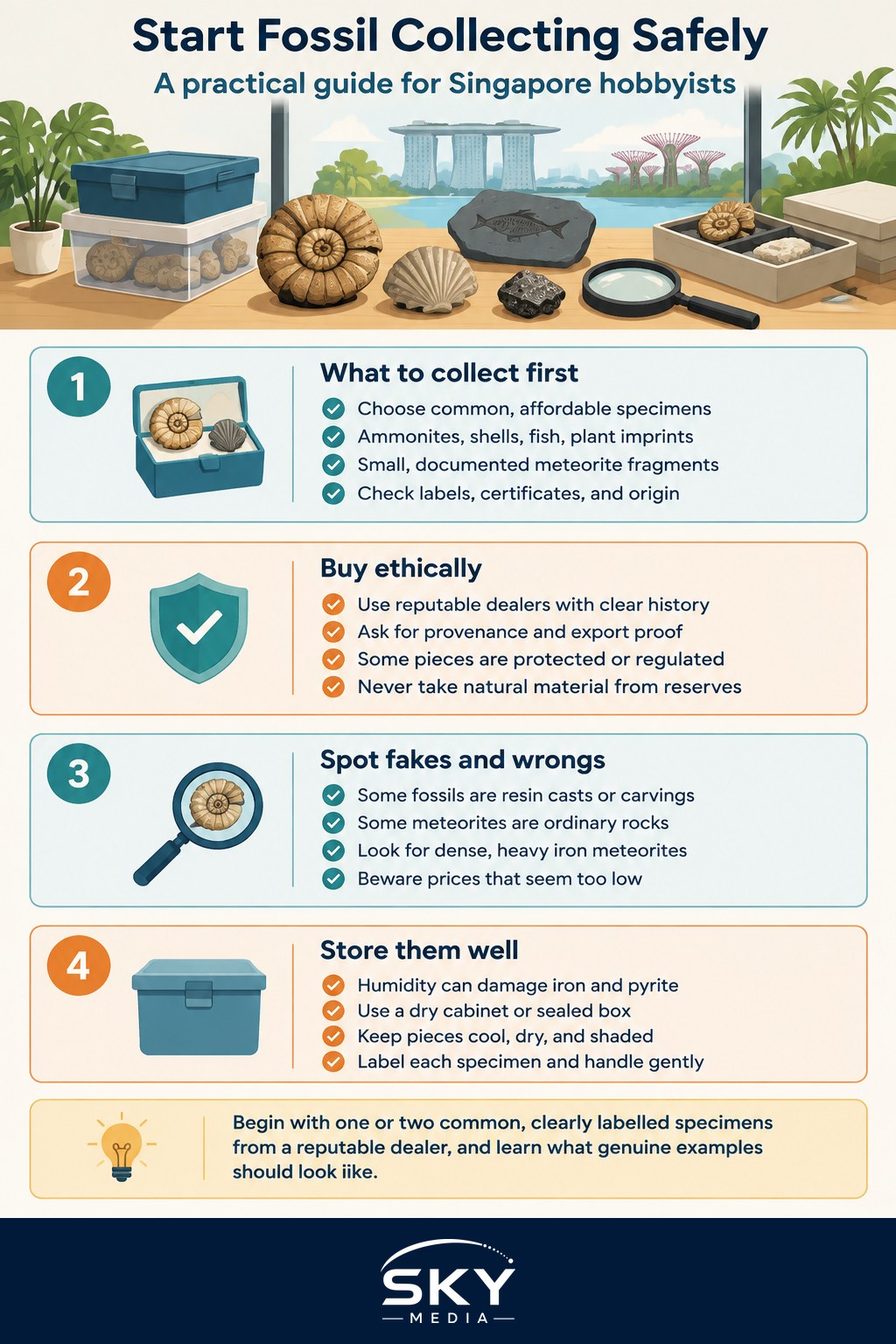
What Beginners Can Collect
Start with common, affordable, and well-documented specimens. There are plenty of genuine fossils that are widely available and inexpensive because they are abundant, which makes them perfect for learning. The same goes for small fragments of common meteorites.
| Type | Good starter examples | What to check |
|---|---|---|
| Common fossils | Ammonites, shells, fish, plant imprints | Genuine, clear origin label |
| Fossil teeth | Widely available shark teeth | Real versus resin copies |
| Stony meteorites | Small, documented fragments | Certificate, seller reputation |
| Iron meteorites | Small slices or fragments | Dense feel, honest provenance |
| Rare or scientific | Advanced collectors only | Legality, export rules, cost |
Avoid rare or scientifically important specimens until you know the field well. Not only are they costly, but some carry legal and ethical complications that beginners are better off steering clear of.
Protected Specimens, Legality, and Ethics
This is the most important part of the hobby, so read it carefully. Many countries protect their fossils and meteorites and regulate or ban their export. A specimen that left its country of origin illegally is a problem no matter how genuine it is, and some scientifically significant fossils belong in museums, not private hands.
To collect ethically:
- Buy only from reputable dealers who can explain where a specimen came from and confirm it was legally collected and exported
- Ask for provenance and any certificate, especially for meteorites and higher-value fossils
- Avoid specimens with vague or missing origin information
- Understand that some fossils and meteorites are protected or export-regulated in their country of origin, and respect those rules
- Never remove fossils, rocks, or any natural material from Singapore’s nature reserves or protected areas, and defer to NParks on what is and is not allowed
If in doubt about the status of a specimen or a site, check with the relevant authorities rather than guessing. Ethical collectors keep the hobby respected and keep important science where it belongs.
Spotting Fakes
Fakes and misrepresented pieces are common in this market, so a careful eye matters. Some “fossils” are carved or cast resin copies. Some meteorites are simply ordinary earthly rocks, sometimes called “meteorwrongs” by hobbyists. Genuine iron meteorites feel unusually heavy and dense for their size and are attracted to a magnet, though a magnet test alone is not proof.
Habits that protect beginners:
- Buy from dealers with a strong reputation and clear return policies
- Learn what genuine examples of your chosen specimen look like
- Be wary of prices that seem too low for a supposedly rare piece
- For meteorites especially, favour pieces that come with documented history
Storing Fossils and Meteorites in Singapore’s Humidity
Our humid climate is a real threat to certain specimens, particularly iron meteorites and any fossil with iron content, such as pyrite. Moisture triggers rust and a slow, damaging decay sometimes called pyrite disease, which can crumble a specimen over time.
Sensible storage for our climate:
- Keep iron meteorites and pyrite-bearing fossils in a dry cabinet or a sealed box with a rechargeable desiccant, and check the humidity often
- Store specimens in a cool, dry, shaded place away from windows, bathrooms, and kitchens
- Support delicate fossils in trays or padded boxes so they do not chip or crack
- Label each specimen with its name and origin, which protects both the science and the resale interest
- Handle fragile pieces as little as possible, and keep them out of direct sunlight
Keeping the air dry and steady is the single most useful thing you can do, and a dry cabinet is a worthwhile mid-tier investment for serious collectors.
Managing the Budget
Costs run from very affordable common fossils and small meteorite fragments at the budget tier to rare, documented specimens at the premium tier. Prices vary a great deal with rarity, size, and provenance, so always check current listings and never trust a single figure. Beginners get the most enjoyment by buying several genuine, common pieces rather than one expensive item they cannot fully verify.
How to Start Small
Buy one or two genuine, common, clearly labelled fossils from a reputable dealer, and read about how they formed. That first specimen, understood well, teaches you more than a shelf of mystery pieces. From there, learn to identify fakes, study provenance, and connect with others. Earth-science and collecting communities in Singapore meet online and occasionally in person, and local museums are a great place to learn what genuine specimens look like.
Collecting fossils in Singapore, and the occasional meteorite, is a hobby built on wonder and responsibility. Buy from reputable sources, respect protected specimens and export rules, keep your pieces dry, and enjoy holding a genuine piece of deep time.
Frequently Asked Questions
Can I collect fossils from Singapore’s nature reserves? No. Never remove fossils, rocks or any natural material from Singapore’s nature reserves or protected areas, and defer to NParks on what is allowed. Most local collectors build their collections by buying specimens from reputable dealers.
How can I tell if a meteorite is real or a meteorwrong? Genuine iron meteorites feel unusually heavy and dense for their size and are attracted to a magnet, but a magnet test alone is not proof. Buy from reputable dealers and favour pieces with documented history and a certificate.
What is pyrite disease and how do I prevent it? It is a slow, damaging decay that moisture triggers in fossils containing pyrite, which can crumble a specimen over time. Keep such pieces in a dry cabinet or sealed box with a rechargeable desiccant and check the humidity often.
Are shark teeth sold as fossils always real? Not always. Some are resin copies, so buy from dealers with a strong reputation and clear return policies, and learn what genuine examples look like. Be wary of prices that seem too low for a supposedly rare piece.
Is it legal to import a fossil or meteorite into Singapore? It depends on the specimen and its country of origin. Many countries protect their fossils and meteorites and regulate or ban export, so buy only with provenance showing legal collection and export. If unsure, check with the relevant authorities.
Further reading: Collecting and Pinning Insects as a Hobby in Singapore