
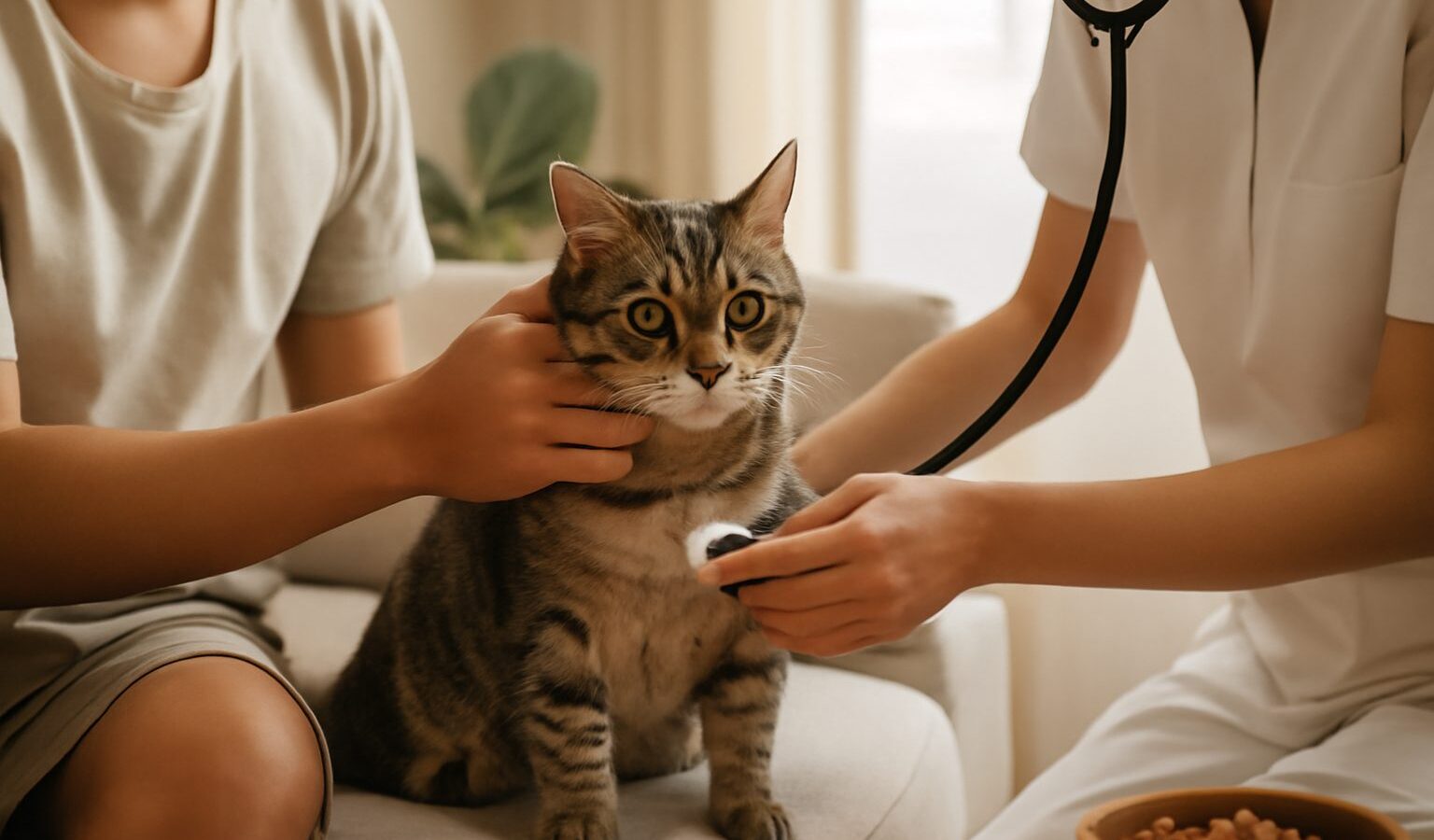
Cats are wonderfully self-contained, which is part of their charm and also part of the challenge, because they are very good at hiding when something is wrong. Understanding the common cat health issues in Singapore helps you notice trouble early, take sensible preventive steps, and recognise the moment a situation has turned into an emergency. Our year-round heat, the humidity that skin and ears love, and indoor living in HDB flats all shape what local cats tend to face.
One important note before anything else. This article is general information, not veterinary advice. Every cat is different, and nothing here replaces an examination by a licensed vet who knows your cat. If your cat seems unwell, please consult your vet. For the emergency signs described near the end, contact an emergency vet straight away.
Fleas, Ticks and Skin Problems in the Humidity
Warm, humid conditions are hard on feline skin, and they suit parasites too. Fleas are a common cause of itching and can trigger strong skin reactions in sensitive cats, leading to scratching, overgrooming, scabs, or thinning fur, often along the back and near the tail. Ticks turn up on cats that go outdoors or share a home with dogs. Humidity also encourages yeast and bacteria, so ear irritation and skin infections are not unusual, and ear mites can cause dark debris, head shaking and persistent scratching around the ears.
Prevention is mostly about routine and cleanliness. Vets offer parasite-prevention products suited to cats, and the right choice and schedule depends on your individual cat, so follow your vet’s recommendation rather than a fixed rule. Never use a dog product on a cat, as some are toxic to cats. Groom regularly so you notice changes early, keep bedding clean, and dry your cat gently if it gets wet. See your vet for persistent scratching, overgrooming, bald patches, sore or smelly skin, or dark, waxy ears.
Urinary Trouble, Dental Disease and Hairballs
A few everyday issues deserve special attention because catching them early makes a real difference to your cat’s comfort.
- Urinary and FLUTD signs. Lower urinary tract problems are important in cats and can become serious quickly. Watch for straining in the litter tray, frequent trips with little result, blood in the urine, crying while urinating, or urinating outside the tray. A cat, especially a male cat, that is straining and producing no urine at all is a genuine emergency, covered below. Fresh water, clean trays and a healthy weight all help, and your vet can advise further.
- Dental disease. Plaque and tartar build up over time and can lead to painful gums and infection. Bad breath, drooling, pawing at the mouth, or difficulty eating warrant a dental check. Ask your vet about a home dental-care routine suited to your cat.
- Hairballs. The odd hairball can be normal, particularly in long-haired cats, and regular brushing reduces them. But frequent retching, repeated vomiting, a poor appetite, or signs of discomfort are not just hairballs and deserve a vet’s look.
None of these need panic, but all reward attention. A cat with clean teeth, good litter habits and a well-groomed coat avoids a great deal of trouble.
Weight, Older Cats and the Heat
Obesity is common and quietly harmful. Carrying extra weight strains joints, makes grooming and movement harder, and is linked to other health problems. Indoor flat cats are especially prone to it, so feed appropriate portions, go easy on treats, and encourage daily play and climbing. Your vet can assess body condition and guide a safe plan rather than a crash diet, which can be dangerous for cats.
As cats age, kidney issues become more of a concern. Older cats can develop kidney disease that is easy to miss at first, so signs such as drinking more, urinating more, weight loss, or a dull coat are worth a vet visit. Regular check-ups let a vet monitor an ageing cat and catch changes early, when there is more that can be done.
Heat matters too. Cats generally handle warmth better than dogs, but our climate can still cause heat stress, particularly for flat-faced breeds, older cats, overweight cats, or a cat shut in a hot room or a carrier. Provide constant fresh water, shade and airflow, and never leave a cat in a parked car or an unventilated space. Excessive panting or open-mouth breathing in a cat is not normal and needs urgent attention.
Red-Flag Signs That Need an Urgent Vet
Some situations cannot wait. If you see any of the following, treat it as an emergency and contact an emergency vet immediately rather than waiting to see if it passes. When in doubt, call ahead so the clinic can prepare while you travel.
- Straining with no urine: repeated trips to the tray, straining, crying, and producing little or nothing, especially in a male cat. A blockage is rapidly life-threatening.
- Breathing difficulty: laboured, fast, or open-mouth breathing or panting, or gums that look blue, grey or very pale.
- Collapse or sudden severe weakness, unresponsiveness, or inability to stand.
- Suspected poisoning: if your cat has eaten something toxic such as medications, certain plants, or household chemicals, call a vet at once and, if you can, bring the packaging.
- Lily ingestion: many lilies are extremely toxic to cats, and even small exposures can cause serious harm. If your cat has chewed, bitten or been near a lily, treat it as an emergency and go to a vet immediately.
- Other urgent signs: repeated vomiting, seizures, a suspected fall or road accident, severe bleeding, or a sudden refusal to eat with obvious distress.
Keep your regular vet’s number and a nearby emergency vet’s details somewhere easy to find, so you are not searching in a crisis.
When to Watch and When to See a Vet
Use this table as a rough guide only. It does not replace a vet’s judgement, and if you are ever unsure, err on the side of calling.
| Issue or sign | General action | When to see a vet |
|---|---|---|
| Occasional mild scratching | Check for fleas, groom, keep skin clean | If it persists, spreads, or causes sores or bald patches |
| One-off hairball | Brush regularly, monitor appetite | If retching is frequent, or with repeated vomiting or off food |
| Bad breath or tartar | Ask vet about dental-care routine | Book a dental check; sooner if drooling or eating hurts |
| Straining in the litter tray | Do not wait to see if it passes | Emergency vet now if straining with little or no urine |
| Drinking and urinating more | Note changes, ensure fresh water | Vet visit soon, especially in an older cat |
| Near or ate a lily, or a toxin | Do not wait for signs | Call a vet or emergency vet at once |
Prevention Is the Best Medicine
Most common problems here are far easier to prevent than to treat. Routine preventive care with your vet, sensible parasite prevention, keeping your cat lean, good dental and grooming habits, clean litter trays and constant fresh water together head off the majority of everyday issues. Regular check-ups let a vet catch changes early, and because cats hide illness so well, those visits matter even when your cat seems fine. You know your cat best, so trust your instincts when something seems off, as acting early is almost always gentler and safer than waiting.
Above all, remember that this guide is general information and not a substitute for professional care. A licensed vet who examines your cat is always the right person to diagnose and advise, and an emergency vet is the right call the moment you see any red-flag sign.
Explore More
For the situations that cannot wait, read our guide to emergency vet care in Singapore so you know where to go before you ever need it. To stay ahead of many of the problems above, our guide to pet vaccinations and preventive care in Singapore explains how routine care keeps your cat well. When in doubt about your own cat, always speak to a licensed vet.