
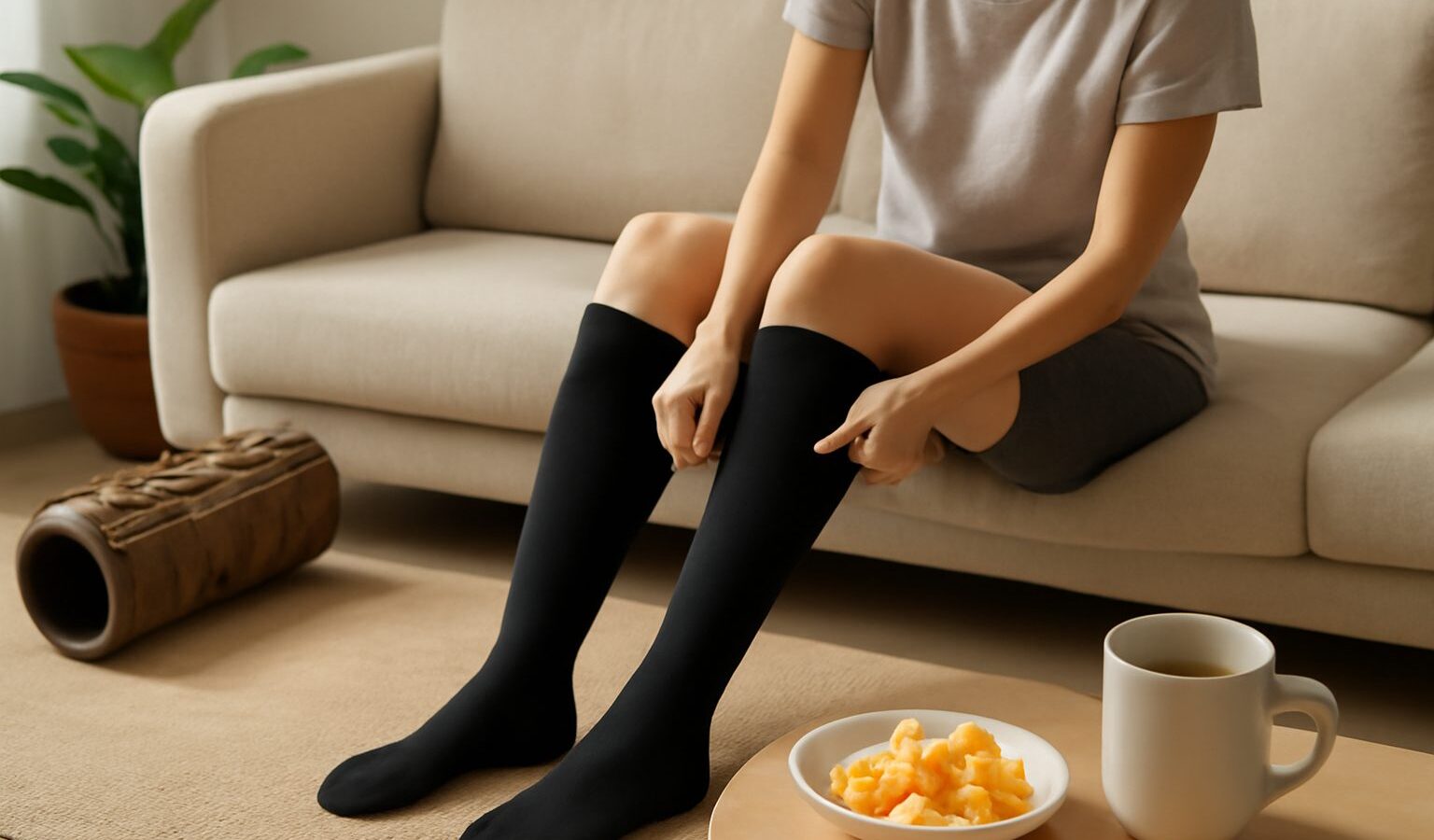
Walk into any sports shop or scroll through a running group and you will see plenty of tight fitting socks, sleeves and tights marketed for recovery. Interest in compression gear in Singapore has grown alongside our busy running, gym and cycling scenes, with many people wondering whether it is worth the money. This guide takes an honest look at what compression wear is, what it may help with, what the evidence actually says, and where it fits sensibly into your routine.
One thing to be clear about from the start. This article is general fitness information, not medical advice. Medical grade compression stockings prescribed for specific health conditions are a separate matter and should only be used on a doctor’s advice. Here we are talking about the everyday sports compression garments sold for exercise and recovery.
What Compression Gear Is
Compression gear refers to snug, elastic garments designed to apply gentle pressure to a part of your body. The most common types are calf sleeves and socks, but you will also find thigh sleeves, tights, arm sleeves and tops. Runners and gym goers tend to reach for the leg options most often.
The idea is that the gentle squeeze supports your muscles and may help blood flow, both during exercise and afterwards during recovery. Some people wear them while training, others slip them on afterwards or even overnight in the hope of feeling fresher the next day. The garments come in different pressure levels and fits, so comfort and sizing matter a great deal.
What It May Help With
Plenty of people who use compression gear report that it simply feels good. That subjective comfort is worth acknowledging, even if it is hard to measure. Many wearers say their legs feel more supported, less bouncy and a little less sore in the day or two after a hard session.
There is a reasonable case that compression may help you feel more comfortable and perhaps recover a touch faster after tough exercise. It can also help keep muscles warm and reduce that heavy, achy feeling some people get in their legs. For long haul flights, which many Singaporeans take often, compression socks are also commonly used to keep legs feeling comfortable, though that is a different use from sports recovery.
What the Evidence Actually Says
Here is where honesty matters. The research on compression gear for sports recovery is genuinely mixed. Some studies suggest a modest benefit for reducing muscle soreness and perceived fatigue, while others find little measurable effect on actual performance or hard recovery markers. In short, the science does not point to a clear, dramatic result.
A fair summary is that compression wear may offer small benefits for comfort and perceived recovery for some people, but it is not a proven performance booster and results vary from person to person. If you try it and it feels good, that is a reasonable reason to keep using it. If you feel no difference, you are not missing out on some miracle effect.
| Claim | Honest assessment |
|---|---|
| Feels supportive and comfortable | Many users agree, though it is subjective |
| Reduces post exercise soreness | Some evidence, but mixed and modest |
| Speeds up real recovery | Unclear, results vary between studies |
| Boosts performance | Not well supported by the evidence |
| Replaces proper rest and sleep | No, it cannot do this |
Choosing and Using It Sensibly
If you decide to try compression gear, a few practical points help you get the most from it without wasting money. Fit is the single most important factor. A garment that is too loose does little, while one that is too tight can feel uncomfortable and even restrictive. Follow the sizing guide carefully and try before you buy where you can.
Think about what you actually want it for. Some prefer wearing sleeves or socks during a run for support, while others save them for afterwards to aid comfort during recovery. Both approaches are fine. Start with one well fitting item, such as calf sleeves or socks, rather than buying a full set before you know whether you like the feel.
Keep your expectations realistic. Treat compression gear as a small, optional extra that might make recovery feel a little more comfortable, not as a shortcut that lets you skip the basics. If a product promises dramatic gains, be sceptical.
Not a Substitute for Proper Recovery
This is the most important point in the whole article. Whatever compression gear may or may not do, it cannot replace the fundamentals of good recovery. The things that genuinely help your body bounce back are far less glamorous and far more reliable.
Sleep is the biggest one. Getting enough good quality rest does more for your recovery than any garment. Eating well, staying hydrated, easing off with lighter or active recovery days, and gradually building your training rather than overdoing it all matter enormously. Gentle movement, stretching and giving sore muscles time to repair are the real foundations.
Seen in that light, compression gear is at most a minor helper on top of solid habits. If your recovery feels poor, the answer is almost always more sleep, better nutrition and smarter training, not another piece of kit. Spend your effort on the basics first.
A Balanced Takeaway
Compression gear sits firmly in the nice to have category. It may feel supportive and comfortable, and some people find it takes the edge off soreness, but the evidence for real recovery gains is modest and mixed. There is no harm in trying it if you are curious, provided you choose a good fit and keep your expectations grounded.
Just remember what does the heavy lifting. Sleep, nutrition, hydration and sensible training are what truly help you recover. If those are in place and you enjoy the feel of compression wear, then by all means use it as a small extra. If they are not, no garment will make up the difference.
Explore more
Active Recovery Explained
Foam Rolling for Recovery
Why Rest Days Matter
Building Better Sleep Habits