
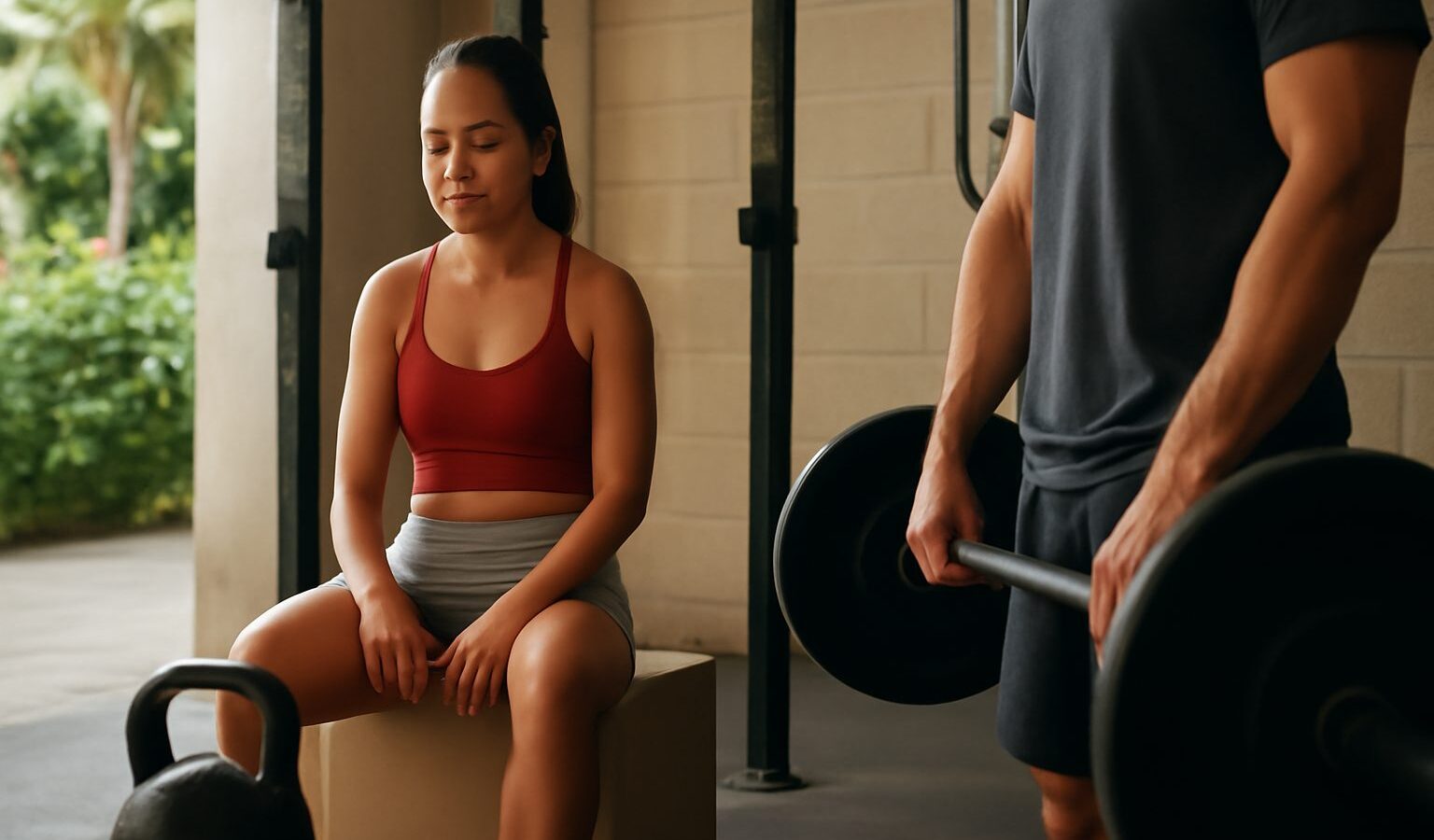
CrossFit in Singapore has grown from a niche curiosity into a busy, friendly scene, with gyms known as “boxes” spread across the island from the CBD to the heartlands. At its heart, CrossFit is a form of functional fitness: training that builds strength, stamina and movement skills you can actually use in daily life, from carrying groceries up the stairs to keeping up with your kids. It blends weightlifting, gymnastics-style bodyweight moves and cardio into short, varied, group-coached sessions. If you have wondered whether it is only for the super-fit, this guide explains what a class really involves, how to choose a gym, and how to start safely.
This is general information to help you get active, not medical or coaching advice. If you are new to intense exercise, older, returning after a break, or managing a health condition, please check with a doctor before starting. A good coach will still expect you to warm up, learn technique first, and progress gradually.
What Functional Fitness Actually Means
Functional fitness trains movements rather than isolated muscles. Instead of sitting on a machine to work one body part, you practise patterns your body uses in real life: squatting, lifting something off the floor, pushing, pulling, carrying and moving quickly. The idea is that being strong and capable across all of these makes everyday tasks easier and helps you stay active and independent as you age.
CrossFit is the best-known branded version of this approach, but functional fitness is a broader family that includes plenty of non-branded gyms and classes offering similar training. Both revolve around compound, whole-body movements and a mix of energy systems, so you build strength, cardio fitness and mobility together rather than treating them as separate projects. That variety is a big part of the appeal: no two sessions feel quite the same.
What a CrossFit Class Is Really Like
A typical session runs about an hour and follows a familiar shape, which makes it easy to settle into.
- Warm-up: Light cardio and mobility drills to prepare your joints and raise your heart rate.
- Skill or strength: Time to practise a movement or build strength in a lift, coached and unhurried.
- The WOD: The “workout of the day”, usually a shorter, harder piece combining a few movements for time or reps. This is the part people talk about.
- Cool-down: Stretching and a chat before you head off.
The two features that surprise newcomers most are coaching and community. Every class is led by a coach who teaches technique and watches your form, so you are rarely left guessing. And because you train alongside the same small group, boxes tend to be sociable and encouraging places where regulars notice when you turn up and cheer you through the tough bits.
The most important word for beginners is scaling. Every workout can be adjusted to your level, swapping a heavy barbell for a lighter one, a pull-up for a banded version, or reducing the reps. You are never expected to do the elite version on day one. A well-run class meets you where you are, which is exactly why people of very different abilities can train in the same room.
Choosing a Box and Understanding Costs
Boxes vary in personality, so it is worth visiting a few before committing. Most offer a trial class or a beginner course, sometimes called an on-ramp or foundations programme, that teaches the core movements safely before you join regular classes. Take one up: it tells you as much about the coaching and vibe as any website can.
CrossFit and boutique functional gyms generally cost more than a standard gym membership, because you are paying for coaching and small-group attention rather than just access to equipment. Fees, class packages and trial offers change often and differ between gyms, so check current pricing directly with the box you are considering. If budget is a concern, remember that public options exist too: ActiveSG gyms and group classes offer functional-style training at lower cost, and you can confirm what is available through the ActiveSG app.
Here is a rough comparison to help you weigh the options. Treat it as a general guide and confirm specifics with each provider.
| Option | Coaching level | Community feel | Relative cost | Best for |
|---|---|---|---|---|
| CrossFit box | High, coached every class | Strong, close-knit | Higher | Structure, accountability, learning lifts |
| Non-branded functional gym | Varies by gym | Often strong | Medium to higher | Similar training, sometimes lower cost |
| ActiveSG group classes | Instructor-led | Friendly, casual | Lower | Trying functional-style training affordably |
| Training on your own | Self-directed | Solo | Lowest | Independent, experienced exercisers |
When you visit, look for coaches who ask about your history, watch your movement, and are happy to scale things down. Good coaching is the single biggest factor in whether you enjoy CrossFit and stay injury-free.
Is It for Beginners, and Training Safely
A common myth is that you need to already be fit to start CrossFit. The opposite is closer to the truth: the coached, scalable format is designed to bring beginners in and build them up. Plenty of members arrive having never touched a barbell. What matters is finding a box with patient coaching and a culture that celebrates showing up over showing off.
That said, CrossFit can be intense, and intensity is where good habits matter most. A few principles keep it safe:
- Technique before load: Learn the movement well before adding weight or speed. Rushing to heavy barbells with poor form is the fastest route to injury.
- Scale honestly: Use the version that lets you move well today. Ego lifting helps no one.
- Respect the heat: Singapore’s humidity makes hard workouts more taxing. Even in air-conditioned boxes, hydrate well, and be extra careful with any outdoor sessions in the sun.
- Recover properly: Sleep, rest days and easing off when you are run-down are part of training, not a sign of weakness.
Listen to your body throughout. Ordinary muscle soreness is normal after a tough session, but sharp joint pain, dizziness, chest discomfort or feeling faint are red flags to stop and, if they persist, to get checked. For an actual injury, see a doctor or physiotherapist rather than pushing through. Trained sensibly, functional fitness is a genuinely fun way to get strong, fit and capable, and the community around it is often what keeps people coming back for years.
Explore more
If lifting is new to you, build a foundation with strength training for beginners in Singapore before diving into heavy WODs. To weigh the social side, our guide to group fitness classes in Singapore covers other coached options, and ActiveSG gyms and classes in Singapore shows the affordable public alternatives worth trying first.