
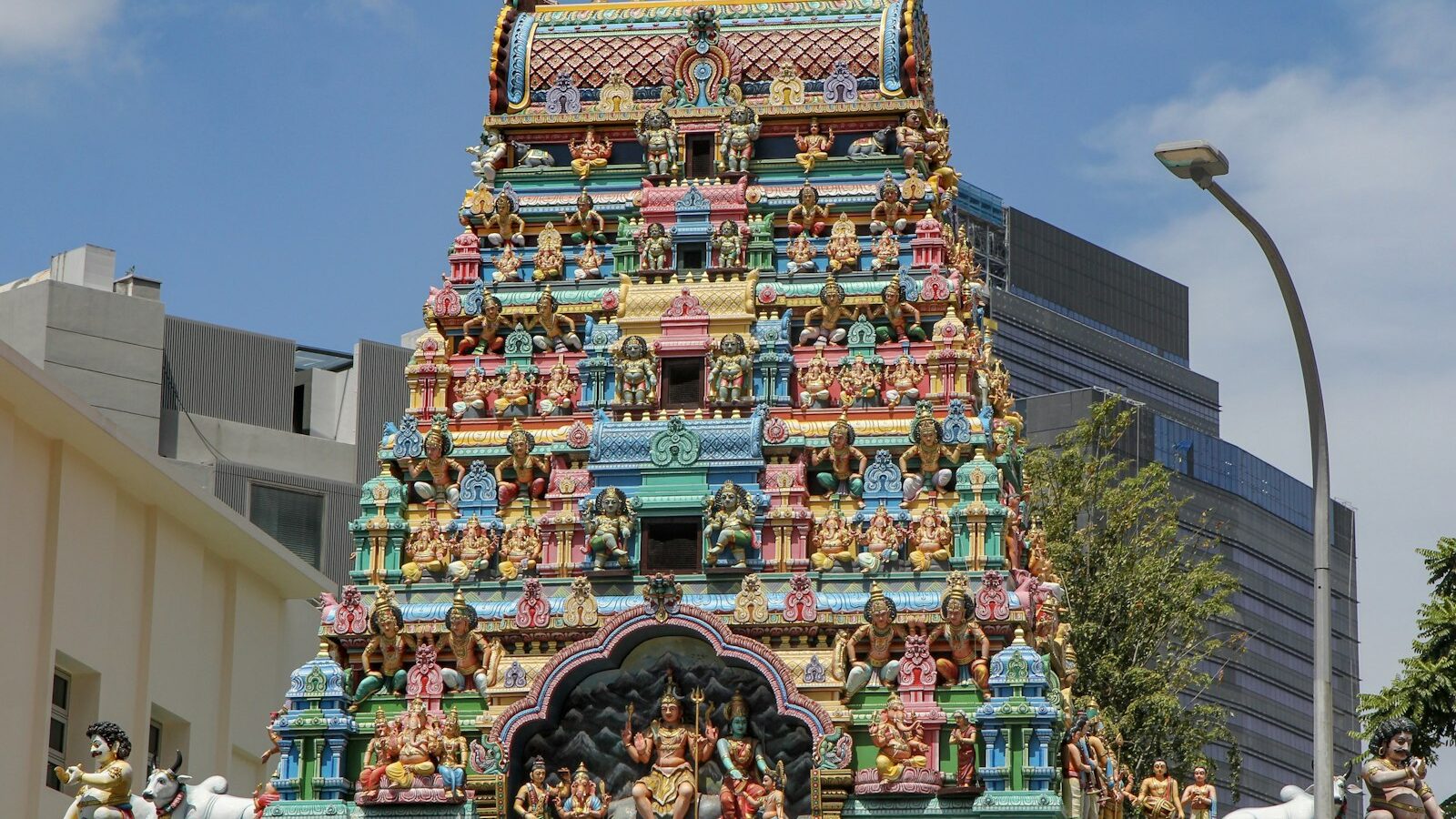
Singapore’s places of worship sit side by side across the island, and many are open to visitors who come with respect and a little preparation. Getting the temple dress code in Singapore right is mostly about modesty and courtesy: covering enough skin, choosing calm rather than flashy pieces, and following the small customs each faith observes at the door. This guide walks through what to expect at temples, mosques, churches and gurdwaras, so you can visit comfortably in our heat while honouring the space. Norms vary by faith, community and individual venue, so treat this as a starting point and check the specific site’s expectations.
The Shared Principles of Modest Visiting
Across almost every religious site, three ideas come up again and again. Covering the shoulders and knees is the most common expectation, which means no vests, spaghetti straps, short shorts or very short skirts. Dressing modestly and neatly, in clothes that are clean and not too tight, sheer or revealing, is welcomed everywhere. And a quiet, unshowy look, rather than loud slogans or beachwear, suits the reflective mood of these places.
The good news is that dressing modestly in Singapore’s climate is very doable. Light, breathable fabrics such as cotton and linen let you cover up without overheating, which matters when you may be walking between shaded halls and open courtyards. A few versatile pieces make almost any site accessible.
- A large scarf or shawl is the single most useful thing to carry, since it can cover shoulders, drape over a head or wrap around a waist in seconds.
- A pair of loose, ankle-length trousers or a long skirt handles the knee rule in comfort.
- A light long-sleeve top or a cardigan covers arms and doubles as a layer for air-conditioned prayer halls.
- Slip-on shoes or sandals save you fumbling with laces where footwear must come off.
Keep these in mind and you are ready for most visits with very little fuss.
Hindu, Buddhist and Chinese Temples
Hindu temples generally ask visitors to remove their shoes before entering, and to keep shoulders and knees covered. Modest, covered clothing is appreciated, and many visitors choose to dress a little more conservatively out of respect. Leather items are sometimes discouraged in certain temples, so a fabric bag or belt can be a thoughtful choice if you are unsure.
Buddhist temples across Singapore, including the many Chinese Buddhist and Taoist temples, tend to be relaxed but still value modest dress and covered shoulders and knees. Shoes usually come off before you step into the main prayer hall, even if the outer courtyard is fine to walk through in footwear. Quiet colours and a calm demeanour fit the setting well.
At Chinese temples during festive periods, the mood can be busy and celebratory, but modesty still applies inside the halls. If you are visiting during a festival, comfortable covered clothing and easy-to-remove shoes will serve you best.
Because customs differ from temple to temple, it is worth glancing at any signage at the entrance or asking a caretaker if you are unsure. Most are happy to guide a respectful visitor.
Mosques, Churches and Gurdwaras
Mosques have the clearest and most consistent expectations, and Singapore’s mosques often welcome visitors warmly. Both men and women should cover shoulders, arms and legs, and women are usually asked to cover their hair with a scarf. Shoes are removed before entering the prayer area. Many mosques kindly provide robes or shawls for visitors who arrive without suitable cover, though bringing your own scarf and wearing long, loose clothing makes the visit smoother. Avoid tight or sheer fabrics.
Churches in Singapore are generally less strict, but neat, modest clothing remains the courteous choice, especially during services. Covered shoulders and at least knee-length hems are a safe standard, and you would leave the beach shorts and singlets at home. For weddings, funerals or formal Mass, dressier and more conservative attire is expected, so lean towards smart and understated.
Gurdwaras, the Sikh places of worship, ask everyone to cover their head before entering, and scarves are usually available at the door if you do not have your own. Shoes are removed, feet are often washed at a small water channel, and modest clothing that covers the legs is expected. Sitting on the floor is common, so comfortable, non-restrictive clothes help.
Here is a quick comparison of the most common expectations, to help you plan before you go.
| Place of worship | Shoulders and knees | Head covering | Shoes |
|---|---|---|---|
| Hindu temple | Cover both | Not usually required | Removed at entrance |
| Buddhist or Chinese temple | Cover both | Not usually required | Removed at the prayer hall |
| Mosque | Cover fully, loose fit | Yes, hair covered | Removed before prayer area |
| Church | Cover, knee-length or longer | Not usually required | Kept on |
| Gurdwara | Cover legs, modest | Yes, everyone covers the head | Removed at entrance |
Use the table as a general guide, then confirm with the venue, as individual sites and occasions can ask for more.
Practical Tips for a Respectful Visit
A little planning removes almost all the awkwardness. Pack a scarf, wear something that already covers shoulders and knees, and choose shoes you can slip off easily, and you are set for nearly anywhere. Keeping your outfit on the plainer side, without loud graphics or revealing cuts, signals respect without any effort.
A handful of small courtesies go a long way inside any place of worship:
- Dress on the modest side if you are unsure, since it is always easier to remove a shawl than to wish you had brought one.
- Follow what regular worshippers do, including where to sit, when to be quiet and where photography is allowed.
- Handle any provided robe or scarf with care and return it as you found it.
- Keep phones silent and move gently, as these are spaces of worship first and sights second.
Above all, remember that expectations are set by each community and venue, and they can change for festivals, ceremonies or particular halls within the same site. When in doubt, ask politely at the entrance. A visitor who asks is always more welcome than one who assumes, and staff will happily point you the right way.
Dressing With Confidence and Care
Visiting a place of worship is one of the quiet pleasures of living in such a diverse city, and dressing thoughtfully lets you enjoy it without worry. You do not need special clothing or a big spend, just a few modest, breathable pieces and a scarf you can rely on. Many everyday wardrobe items already do the job.
Approach each visit with openness and courtesy, and the dress code becomes simple rather than daunting. Cover up kindly, tread softly, follow the small customs at the door, and you will find these beautiful spaces welcoming and easy to appreciate.
Explore more
For celebration dressing across cultures, see our guides to what to wear for Chinese New Year and festive and party outfits. If you are attending a ceremony, what to wear to a wedding in Singapore and smart casual dressing explained will help you pitch the formality right.
Related across Sky Media: Understanding Wedding Dress Codes in Singapore