
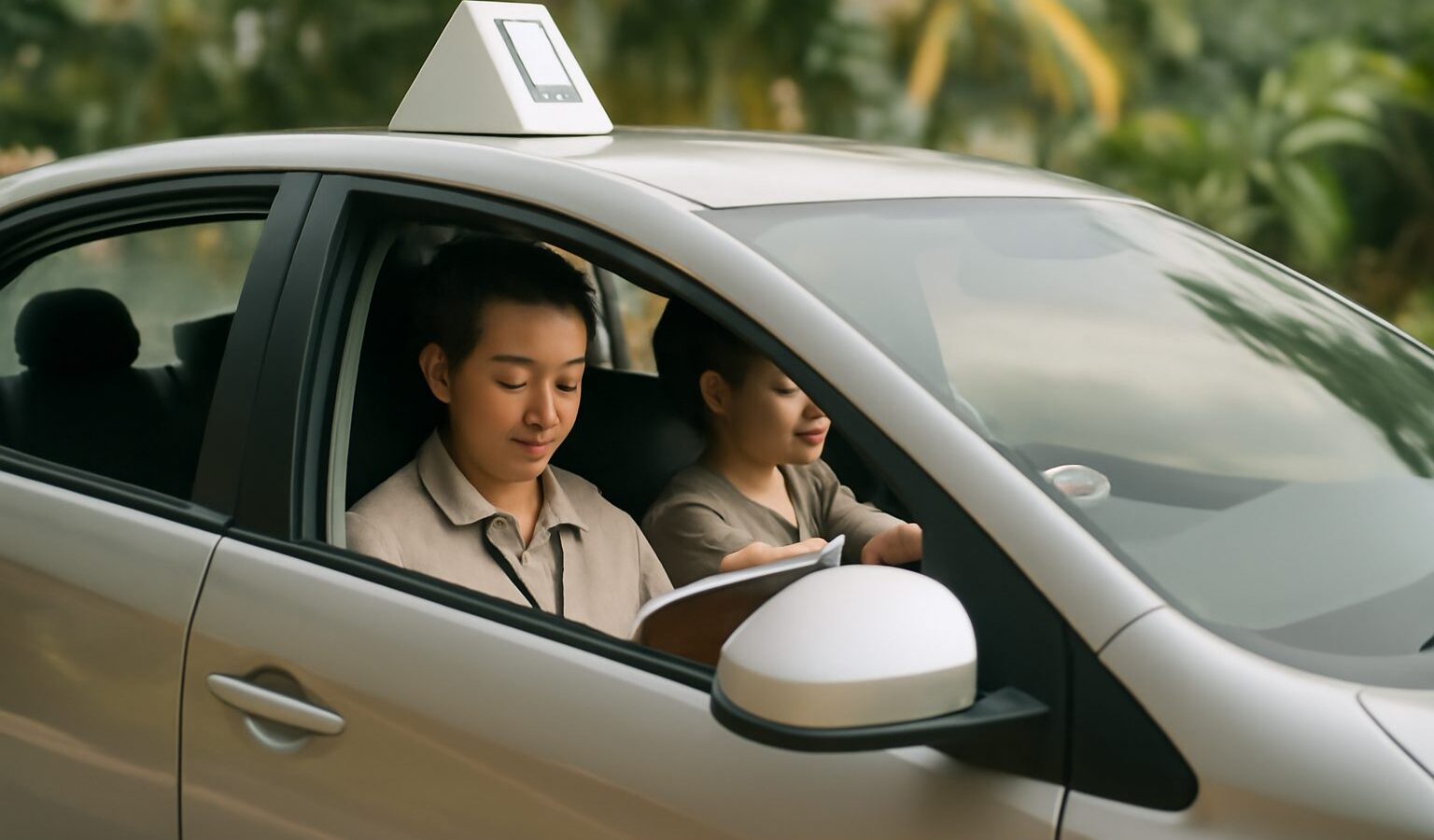
Choosing a driving school singapore learners will trust with their first hours behind the wheel is a bigger decision than it looks. It shapes how you learn, how fast you progress, how much you spend and how confident you feel on test day. In practice the choice comes down to two routes: enrolling at one of the established driving centres, or hiring a private instructor for one-to-one lessons. Both lead to the same Traffic Police practical test and the same licence, so the right answer depends on how you learn best and what you value. This guide compares the two routes, explains booking, simulators and learning as an adult, and shares tips to pass efficiently. Course and lesson fees are set by the providers and change over time, so confirm current prices directly with the schools.
The Three Driving Centres And Private Instructors
Singapore has three main driving centres, each a large purpose-built facility with classrooms, a fenced training circuit and its own fleet of learner cars. They run a structured programme from theory classes through to your practical test, and everything happens under one roof. Because they are institutions rather than individuals, they can handle large numbers of learners with standardised lessons and clear administrative systems.
The alternative is a private driving instructor, a licensed individual who teaches you personally, usually in their own car and mostly on public roads rather than a closed circuit. Private instructors are independent, so you deal directly with one person for scheduling, teaching and encouragement. Neither route is superior on paper; the centres win on structure and facilities, while private instructors win on flexibility and personal attention. The best fit depends on your temperament, your schedule and your budget.
Weighing The Pros And Cons
The centres offer a well-organised, beginner-friendly path. You get a proper curriculum, in-house theory lessons, driving simulators and, crucially, a safe circuit where you can practise moving off, parking and manoeuvres without live traffic bearing down on you. That controlled environment builds early confidence. The trade-offs are less scheduling flexibility, since you book from available slots that can fill up in peak periods, and lessons that some learners find a little impersonal because you may not always get the same instructor.
A private instructor flips those trade-offs. You typically enjoy more flexible timing, consistent one-to-one attention from the same teacher who gets to know your weak spots, and often a lower cost per lesson. The downside is that you learn on public roads from early on, without a dedicated circuit, and you depend entirely on a single person’s availability and teaching style. If that instructor falls ill or is fully booked, your progress stalls.
| Factor | Driving centre | Private instructor |
|---|---|---|
| Cost per lesson | Usually higher, with set package rates | Often lower, arranged directly |
| Flexibility | Fixed slots booked through a system, can fill up fast | More flexible timing, negotiated with one person |
| Circuit training | Dedicated off-road circuit for safe early practice | No circuit; you learn on public roads from the start |
| Pace and attention | Standardised curriculum, instructor may vary | Personal, consistent attention, tailored to your weak spots |
Because fees differ between providers and change over time, treat the cost row as a general pattern and check the current rates with each school or instructor.
Booking Lessons, Tests And Simulators
However you learn, you will spend time booking things: theory classes, practical lessons and the tests themselves. At a driving centre this runs through an online portal or app where you reserve slots against instructor and car availability. With a private instructor you arrange lessons directly, which is more flexible but puts the planning on you. In both cases, popular slots and test dates go quickly, especially around school holidays and year-end, so book early and plan ahead.
Simulator training is one clear advantage the centres offer. A driving simulator lets you rehearse hazard awareness, night driving and tricky situations in a safe seat before you meet them for real, which takes some of the fear out of your first road lessons. If you are nervous, this is genuinely useful. Whichever route you pick, remember the practical driving test is run by the Traffic Police to a fixed standard, so your lessons are ultimately preparing you for that same benchmark. Our companion guide on Getting a Driving Licence in Singapore sets out the full sequence of theory and practical stages.
Learning To Drive As An Adult Or Newcomer
Plenty of people learn to drive later in life, or arrive in Singapore already able to drive but needing to understand local roads, rules and habits. If you are a nervous adult beginner, the structured, circuit-based approach of a centre often feels safer, because you build the basics away from traffic. Others prefer the patient, one-to-one reassurance of a private instructor who can go entirely at your pace.
Newcomers who already drive should note that local rules, road markings and the practical test standard may differ from what they are used to. If you hold a foreign licence, whether you can convert it or must test again depends on the current rules, so check the requirements with the Traffic Police and LTA rather than assuming. A few refresher lessons with a local instructor are a sensible way to adjust to Singapore roads, junction layouts and driving culture before you head out alone.
Tips To Learn And Pass Efficiently
Passing sooner is mostly about how you practise, not raw talent. A few habits make a real difference:
- Keep lessons close together. Regular, tightly spaced sessions build muscle memory far better than one lesson every few weeks.
- Book theory tests and your practical test early, since slots can be scarce and waiting wastes momentum.
- Practise your weak spots deliberately. Ask your instructor to drill parking, junctions or whatever unsettles you most, rather than repeating what you already do well.
- Use the simulator if your centre offers one, especially for hazard perception and situations that make you anxious.
- Learn the actual test route conditions and standards so nothing on the day is a surprise, and stay calm; nerves cause more mistakes than a lack of skill.
Be realistic that many people do not pass the practical on the first attempt, and that is normal. Treat any retest as extra practice rather than failure. Once you hold that licence, the learning continues on the road, so keep building good, defensive habits from day one.
Explore More
Ready to map out the full journey? Read Getting a Driving Licence in Singapore for the complete step-by-step path from theory to test. Then, once you are driving, build the habits that keep you and others safe with our guide to Defensive Driving and Road Safety in Singapore.