
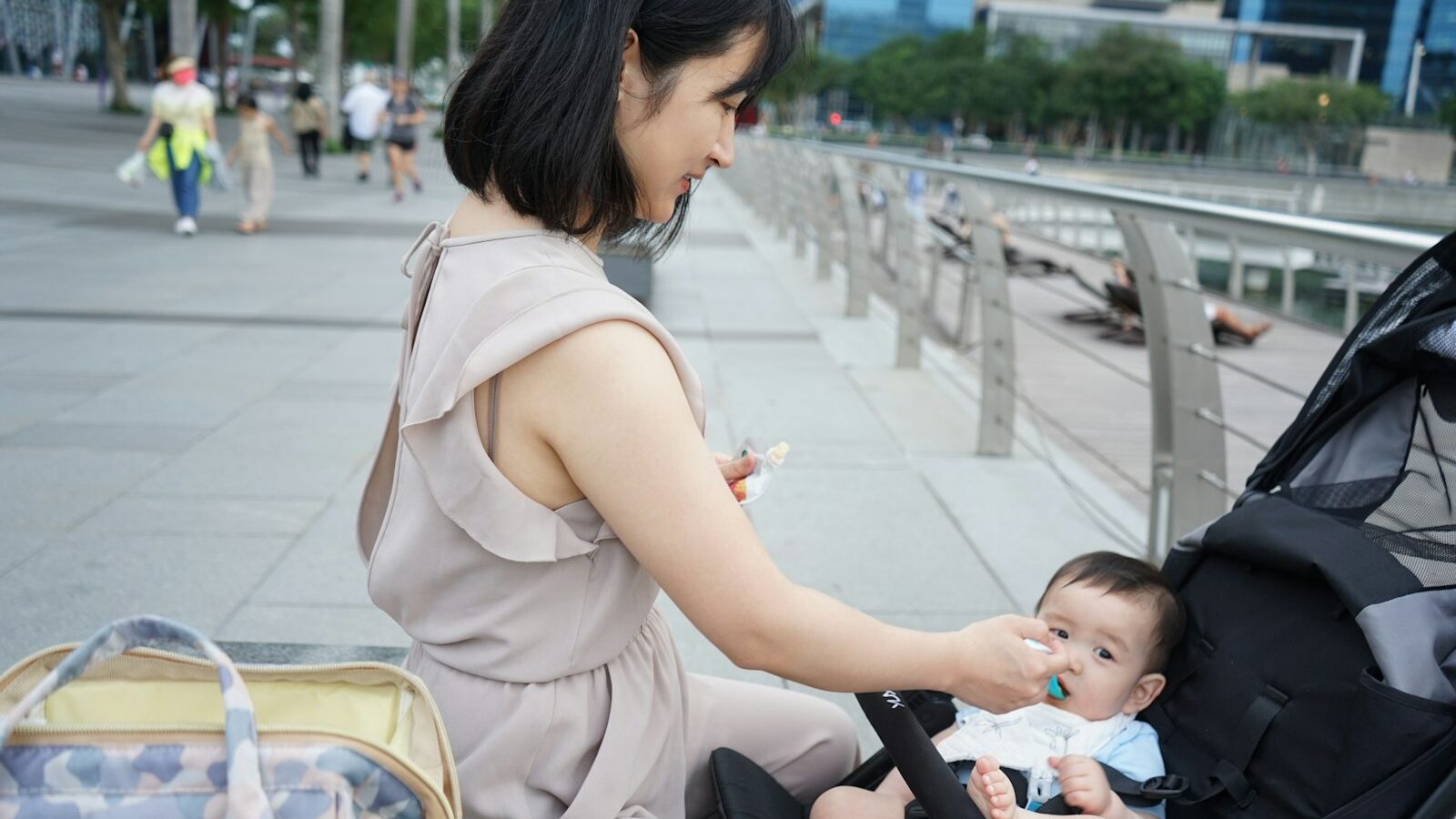
Watch a baby discover their own hands and you are watching one of the quiet miracles of the first year. Those small, fumbling grabs and grips are the beginning of skills your child will use for a lifetime, holding a spoon, turning a page, buttoning a shirt, one day writing their name. Helping your baby’s fine motor skills in Singapore does not need special classes or expensive kits. It happens through everyday play, safe exploration, and lots of chances to reach, grasp, and let go.
This guide explains what fine motor skills are, offers simple ideas to encourage them at home, and shares a rough sense of what to expect. Remember that milestones vary widely from baby to baby. This is general information, not a diagnosis, so if anything about your child’s development worries you, please speak to your doctor or paediatrician.
What Fine Motor Skills Are
Fine motor skills are the small movements of the hands and fingers, in coordination with the eyes. They are different from gross motor skills, which involve the big muscles used for rolling, sitting, crawling, and walking. Both matter, and they develop together, but fine motor work is all about precision, reaching for a toy, grasping it, passing it from hand to hand, and eventually using a delicate finger and thumb pinch.
These skills build gradually. A newborn’s hands are mostly curled and reflexive. Over the first year, your baby learns to open their hands, reach on purpose, hold objects, bang and shake them, transfer them between hands, and finally pick up something as small as a piece of soft food with finger and thumb. Every stage lays the groundwork for the next, so there is no need to rush ahead.
Simple Ways to Encourage Fine Motor Play
The best thing you can do is offer plenty of safe, interesting things to reach for and handle, then give your baby the time and freedom to explore. Here are ideas suited to different ages, always with close supervision.
For younger babies, from around three to six months:
- Offer easy to grasp toys like soft rattles, textured rings, and lightweight objects your baby can bring to their mouth safely.
- Do plenty of tummy time, which strengthens the shoulders and arms that support hand control. Our guide on tummy time and baby development has more on this.
- Dangle a toy just within reach to encourage reaching and swiping.
For older babies, from around six to twelve months:
- Provide objects to transfer from hand to hand and to bang together, such as chunky blocks or safe wooden spoons.
- Let your baby explore different textures during play and at bath time.
- Offer stacking cups, simple containers to fill and empty, and toys with big buttons or flaps.
- Once your baby is on finger foods, self feeding is superb fine motor practice. Picking up soft pieces builds the pincer grip beautifully.
A few gentle principles run through all of this. Let your baby lead and do not rush them. Follow their interest rather than steering every moment. Keep it low pressure and playful, because babies learn through enjoyment, not drills. And you do not need fancy toys. Safe household items, a set of measuring cups, a soft cloth, a wooden spoon, are often the biggest hits.
Safety First During Exploration
Babies explore with their mouths, so choking is the main risk to manage. Keep small objects, coins, button batteries, magnets, and anything that fits through a toilet roll tube well out of reach. Supervise closely during play and mealtimes, and childproof low cupboards and drawers as your baby becomes more mobile. Our guide on childproofing your home in Singapore covers this in more detail. In an HDB flat, a clear, safe floor space is often all a baby needs to practise.
A Rough Guide to Milestones
Milestones are a rough map, not a timetable, and healthy babies reach them across a wide range of ages. As a general sense of the journey, many babies open and swipe at objects in the early months, grasp and hold toys by the middle of the year, transfer items between hands and bang them together later on, and develop a finger and thumb pincer grip towards the end of the first year. Premature babies may reach these stages later, which is expected.
Try not to compare your baby too closely with others, or with what you read online. There is enormous natural variation, and a baby who is a little behind in one area is often busy powering ahead in another.
When to Check In With a Doctor
Trust your instincts. It is worth a gentle conversation with your doctor or paediatrician if your baby is not using their hands at all by a few months of age, consistently ignores or does not reach for objects, strongly favours one hand well before their first birthday, seems very stiff or very floppy, or loses a skill they previously had. These are prompts to seek a professional opinion, not causes for panic, and only a qualified professional can assess development. Singapore has good child development services through hospitals like KKH and NUH, and your doctor can guide you to the right support if needed. Our guide on recognising developmental delays in your child may also help you know what to watch for.
A Practical Wrap Up
Encouraging fine motor skills is really just about giving your baby time, safe things to handle, and the freedom to explore at their own pace. Follow their curiosity, keep play joyful, and childproof as they grow more able. Milestones vary widely, so celebrate your own baby’s progress rather than the calendar. And if something genuinely worries you, an early check with your doctor brings either reassurance or the right early support.