
Pre-soaked exfoliating pads have become a bathroom staple, and it is easy to see why: they are quick, mess-free and travel well. But exfoliating pads in Singapore need a little more thought than a swipe-and-go marketing promise suggests. In a hot, humid climate where skin can be both oily and dehydrated at once, the difference between glowing and irritated skin is often just how often you reach for them.
This is general cosmetic information, not medical advice. Introduce any new active one at a time, patch test first, and see a doctor or dermatologist for persistent acne, ongoing redness or any reaction that will not settle.
What Exfoliating Pads Actually Are
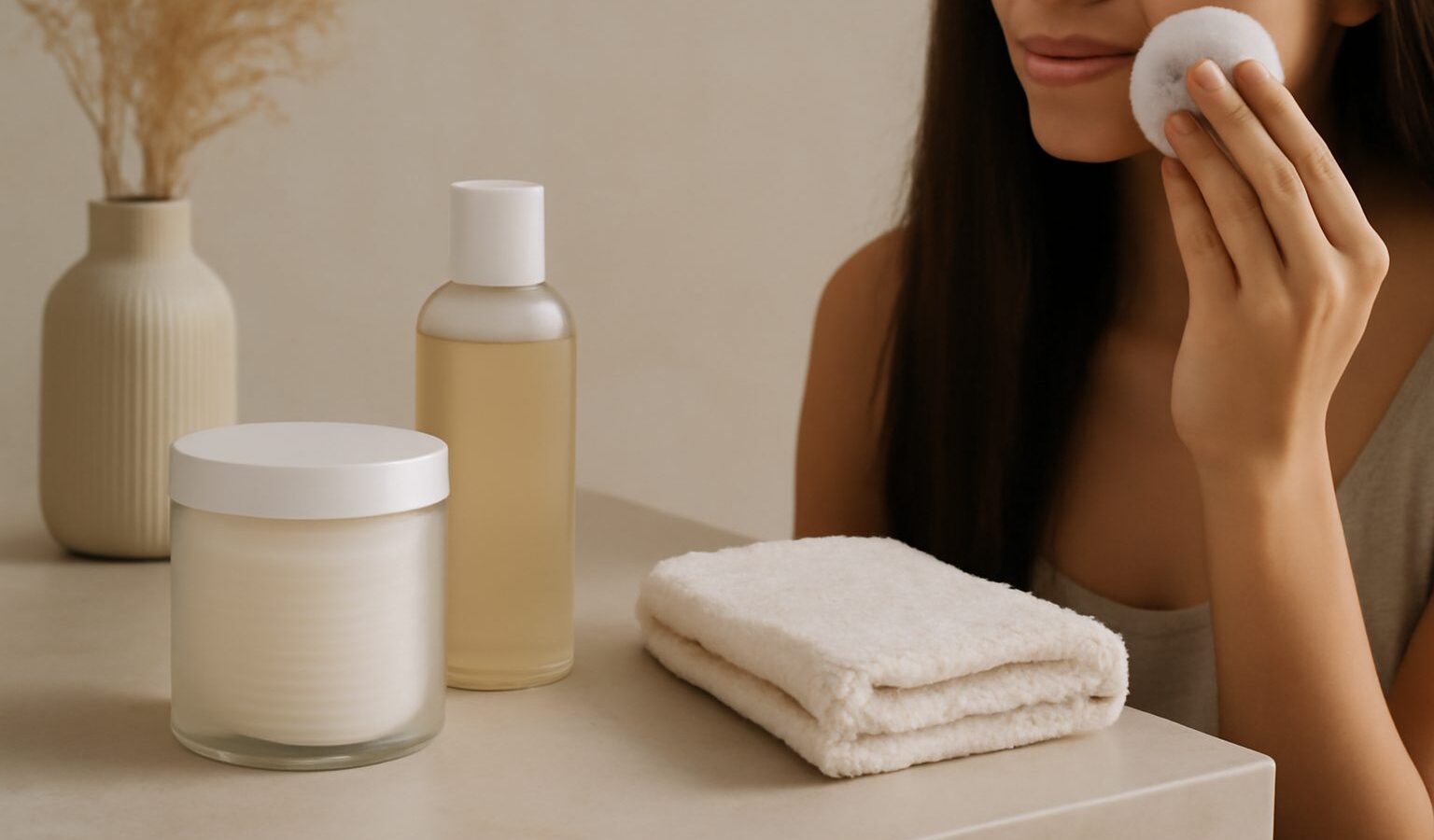
An exfoliating pad is usually a soft cotton or fibre round soaked in a leave-on or wipe-off exfoliating solution. Instead of measuring out a liquid, you take a pre-dosed pad and gently sweep it over cleansed skin. The active ingredients are the same chemical exfoliants you would find in a toner or serum.
The common types:
- AHAs (alpha hydroxy acids) such as glycolic and lactic acid. Water-loving, they work on the surface to loosen dull, dead cells and can help with texture and brightness.
- BHA (beta hydroxy acid), meaning salicylic acid. Oil-loving, it can get into pores, so it suits congested, oily or blemish-prone skin.
- PHAs (polyhydroxy acids) like gluconolactone and lactobionic acid. Larger molecules that tend to be gentler, often a better starting point for sensitive skin.
If you are new to acids, our AHA and BHA exfoliation guide explains how each family behaves, and PHA for gentle exfoliation is worth a read if your skin reacts easily.
The main appeal of pads is convenience and dosing consistency. The main risk is that convenience makes it very easy to overdo it.
Who They Suit, and Who Should Be Cautious
Exfoliating pads can be a friendly format if you tend to skip fiddly steps, or if you want something simple for the gym bag. They can help with dullness, rough texture, clogged pores and the general build-up that humidity and sweat encourage.
Be more careful if you have a compromised barrier, visible redness, eczema-prone or very sensitive skin, or if you are already using retinoids or other strong actives. Layering exfoliants on top of each other is the fastest route to a stinging, tight, over-exfoliated face. Our guide to sensitive skin care covers how to keep things calm.
A note on the physical action: even a chemical pad involves some wiping. Press and glide gently. Scrubbing hard turns a mild treatment into unnecessary friction.
How to Use Them Without Overdoing It
The single most important rule is frequency. More is not better with exfoliation, and Singapore’s climate does not change that.
A sensible approach:
- Start once or twice a week, in the evening, on clean dry skin.
- Sweep gently over the face, avoiding the eye area, lips and any broken skin.
- Do not rinse unless the product says to, then follow with a hydrating, barrier-supporting moisturiser.
- Build up slowly only if your skin stays comfortable. Many people never need more than two or three times a week.
- Always patch test a new pad first. Our step-by-step on how to patch test new skincare shows how.
Signs you are overdoing it include tightness, stinging, unusual shininess or a tingly, sensitised feeling, flaking, and breakouts that appear after you started exfoliating more. If you see these, stop, let your skin recover with gentle hydration, and reintroduce slowly.
Sun Protection Is Non-Negotiable
Chemical exfoliants can make skin more sensitive to the sun, and Singapore has strong UV all year. That makes daily sunscreen essential when you use acids, not optional. Apply a broad-spectrum sunscreen every morning and reapply through the day, especially if you are outdoors. Skipping this undoes much of the benefit and raises the risk of irritation and uneven tone.
If you use retinoids as well, be extra thoughtful. Retinoids increase sun sensitivity too, and stacking them with acids on the same night is a common cause of irritation. They are also generally avoided in pregnancy and breastfeeding, so defer to your doctor if that applies to you.
Choosing and Storing Your Pads
When comparing options, look past the packaging to the actual ingredients and their position on the label, since that hints at concentration. Fragrance and alcohol high up the list can be drying for some people. Fewer, well-chosen actives usually beat a long list of everything at once.
Storage matters in the tropics. Keep the jar tightly sealed so the pads do not dry out or get contaminated, and store it away from heat and direct light. Use clean hands or the built-in lifter rather than digging around, and note the period-after-opening symbol.
Exfoliating pads in Singapore are a genuinely useful shortcut when treated with respect: gentle pressure, modest frequency, diligent sunscreen and a good moisturiser afterwards. Pick the acid family that suits your skin, patch test, and let your skin set the pace. If irritation lingers or you are unsure what your skin needs, a dermatologist is the right person to ask.