
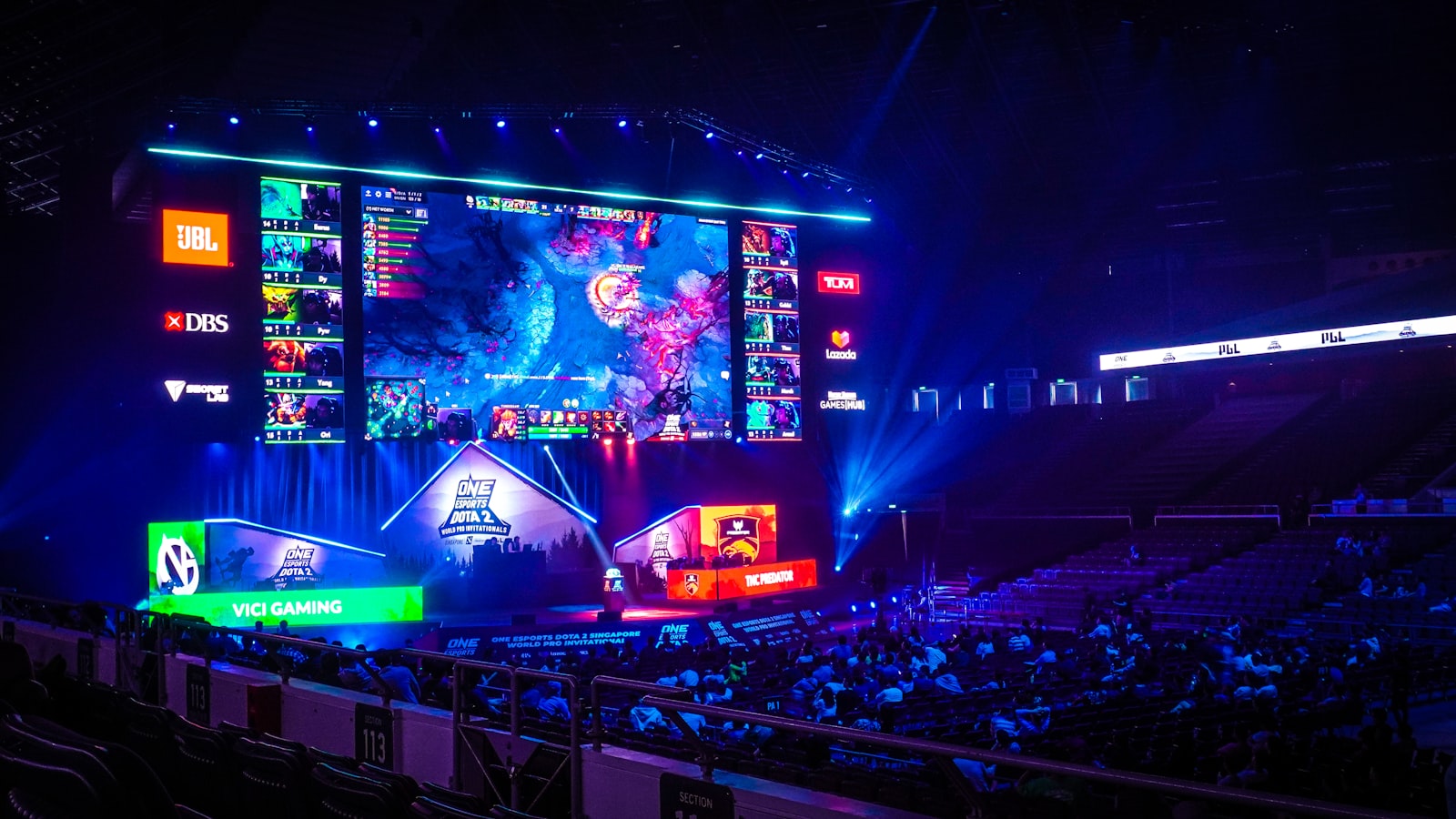
For a lot of people, the dream job is somewhere in games. The good news is that a gaming career in Singapore is far broader than becoming a pro player. Studios, publishers, esports organisers, and content teams all need people, and most of those roles have nothing to do with your rank in a match. The honest news is that some parts of this world are extremely competitive and unstable, and outcomes vary a great deal. This guide sorts the realistic paths from the long shots so you can plan with your eyes open.

The Many Roles Beyond Playing
When people picture games as a career, they think of pro players and streamers. Those exist, but they are the smallest and riskiest slice. The steadier careers sit around the games:
- Game development roles: programmers, artists, designers, producers, QA testers, and audio staff who actually build games.
- Publishing and live operations: community managers, marketing, user acquisition, analytics, and player support.
- Esports operations: event producers, tournament admins, broadcast crew, shoutcasters, coaches, and team managers.
- Content and media: video editors, social media managers, writers, and production staff.
- Business and support functions: partnerships, sponsorships, finance, and legal, since games are a real industry.
Many of these skills overlap with other sectors. A producer’s project skills transfer well, and a video editor can work across industries. That is worth remembering, because it gives you a fallback if a games role does not work out.
Skills and Pathways In
There is no fixed entry route, but there are common ones. For development, formal study in computer science, game design, digital art, or animation helps, and a strong portfolio matters more than almost anything. If you lean creative, our overview of a career in animation and VFX covers related skills, since games and screen work share a lot of tools.
For the non technical roles, the path often runs through adjacent experience. Community and marketing people frequently come from general marketing backgrounds, and event roles often start with volunteering at tournaments. If you are moving in from another field, transitioning to a new industry has a useful framework for repositioning your experience.
Skills that consistently help:
- A real portfolio or body of work, code, art, edited videos, or events you have run.
- Reliability and communication, because games are made by teams under deadlines.
- Data comfort, especially for live operations and marketing roles.
- Genuine understanding of players and communities, not just of playing yourself.
You can build many of these skills through your own projects while you study or work elsewhere. A work portfolio that shows finished, shipped things will do more for you than any certificate on its own.
The Honest Reality
This is where you need candour. Being a professional player or a full time streamer is possible for a very small number of people, and it can end quickly through injury, burnout, or simply a shifting scene. Income can be unpredictable, sponsorships come and go, and there is no guarantee of success no matter how hard you grind. Studio jobs can also be affected by project cancellations and industry cycles, so layoffs happen even to talented people.
Treat the flashy paths as long shots, not plans. If you want to try streaming or competing, it is far safer to do it alongside a job or studies rather than betting everything on it. Keep transferable skills sharp so that if one door closes, you are not stuck. None of this means do not try. It means try smartly, with a backup, and without believing anyone who promises guaranteed fame or money.
Getting Started the Sensible Way
A grounded plan looks like this:
- Pick one lane, building, running events, content, or a support function, and go deep rather than chasing all of them.
- Volunteer at local events or contribute to community projects to get real experience and contacts.
- Build and publish work so people can see what you can do.
- Keep a foot in a stable role or skill set while you test the waters.
A gaming career in Singapore can be genuinely rewarding for people who love the craft behind the games, not just the games themselves. Go in curious, build real skills, protect yourself with a backup plan, and let your work speak. If the passion is there and the plan is sensible, there is honest room to make a living around something you love.
Frequently Asked Questions
Can I get into game development without a computer science degree? Yes, because many roles are not programming at all, and a strong portfolio often counts for more than a degree. Artists, designers, producers and QA testers can come from varied backgrounds. Show finished work that you can explain and talk about.
What non-gaming skills help in a games career? Reliability, clear communication and teamwork matter a lot, as games are built by teams working to deadlines. Data comfort helps in live operations and marketing, and project skills transfer well to production roles. Understanding players and communities counts more than playing well.
How do I start in esports event work with no experience? Volunteering at local tournaments is a common first step. It gives you hands-on exposure to production, administration and broadcast work, plus useful contacts. Pick one area, such as running events or content, and go deep before branching out.
Is it sensible to try streaming full time? Treat it as a long shot rather than a plan. Income can be unpredictable and sponsorships come and go, so it is safer to stream alongside a job or studies while building transferable skills that keep your options open.
What happens if a game studio job falls through or I get laid off? Project cancellations and industry cycles can affect even talented people, so keep a backup plan. Skills like project management, video editing, marketing and community work move easily into other sectors, and a published portfolio shows what you can do.