
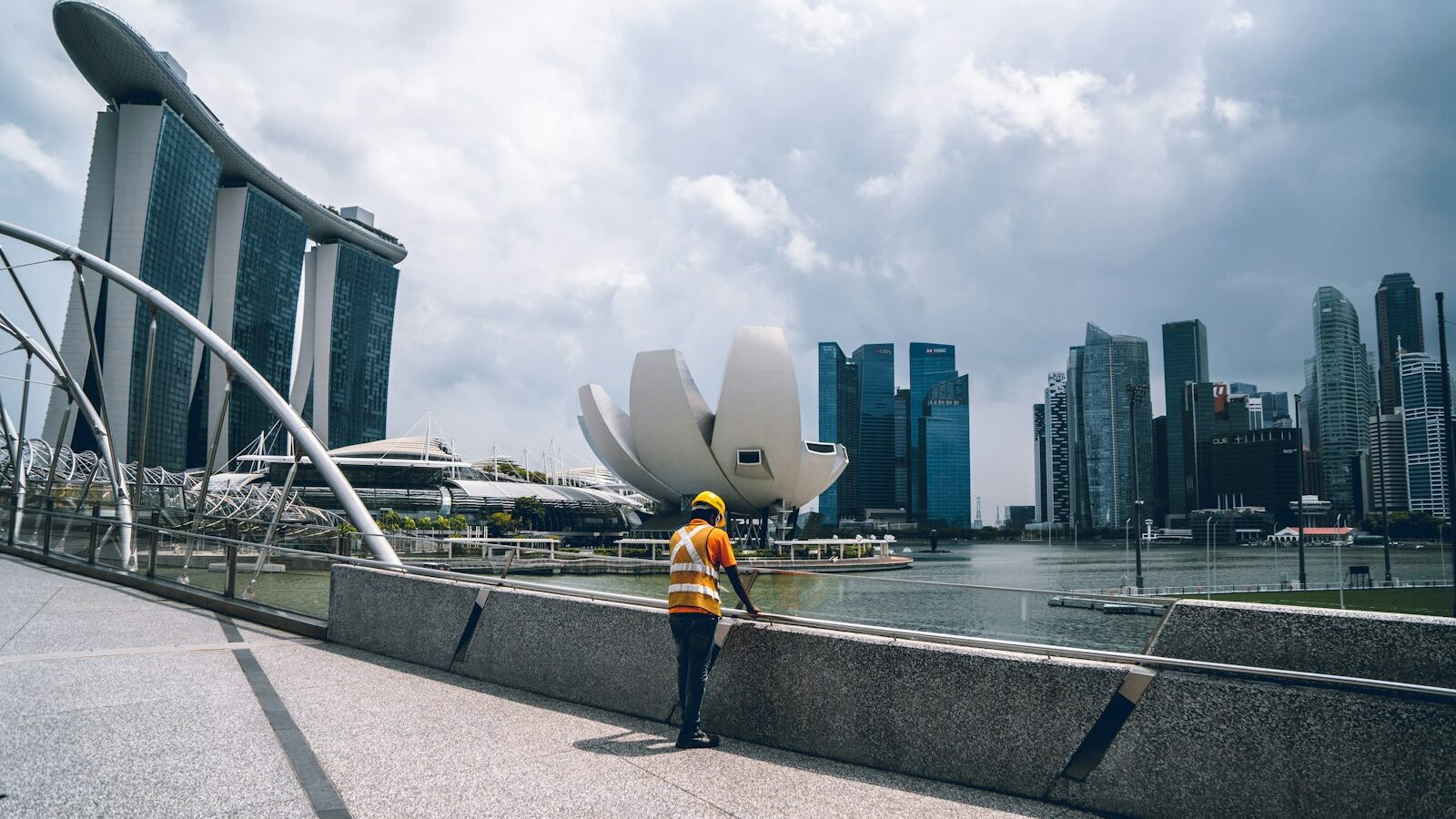
For years, students in Singapore were nudged toward desk jobs and degrees, and the trades were quietly treated as a fallback. That framing was always unfair, and it is increasingly out of date. A career in skilled trades can be stable, well paid, hands-on and genuinely hard to automate, and it keeps the country running. Electricians, aircon and refrigeration technicians, precision machinists, marine and aerospace technicians, plumbers, welders, chefs, automotive specialists and building services professionals all fall under this umbrella. This guide looks honestly at what the work involves, how to get in, the trade-offs, and where to check current details before you decide.
What Counts as a Skilled Trade
A skilled trade is work that depends on specialised, practical expertise built through training and hands-on practice rather than a general academic path. The defining feature is craft: you learn a body of technique, you get certified where the trade requires it, and you get better with reps and years. In Singapore the range is wide and often invisible until something breaks. Think of the technician who keeps a hospital’s air handling running, the machinist producing precision parts for aerospace, the electrician wiring a new BTO block, or the chef running a hot kitchen through a dinner rush.
Two features are worth naming early. First, many trades are safety-critical and regulated, so licensing, permits and safety certification are part of the job, not optional extras. Second, the modern trades are increasingly technical. Building services now involve smart controls and energy systems, manufacturing runs on automation and robotics, and vehicles are full of software. The stereotype of purely manual, low-tech work is out of date; many trades reward people who like both their hands and their heads.
Roles, Pathways and Apprenticeships
The most common entry route runs through the Institute of Technical Education and the polytechnics, where hands-on, industry-aligned training is the whole point. From there, structured work-and-learn programmes let you earn while you train under experienced practitioners, which is how a lot of trade expertise is actually transferred. If you are mapping out options after ITE or poly, our guide to career paths after polytechnic or ITE pairs well with this piece.
You do not have to start young, either. Career changers move into the trades through conversion and place-and-train programmes, and skills upgrading is common across a whole career. For funded training, apprenticeship-style schemes and eligibility, SkillsFuture, MySkillsFuture and Workforce Singapore are the official reference points; verify what is available and whether you qualify rather than trusting second-hand figures, as programmes and amounts change. Where a trade is licensed or safety-regulated, the relevant authority or accreditation body sets the requirements, so check with them directly.
Two groups are worth a special mention. Fresh graduates unsure about a degree-first path can weigh the trades seriously; our piece on getting work experience with no experience shows how to build a first foothold. And those leaving national service often have discipline, teamwork and technical exposure that transfer well; if that is you, transitioning from national service to work offers a practical bridge.
Comparing a Trades Route With a Typical Degree Route
Neither path is better in the abstract; they suit different people and goals. The comparison below is a broad-strokes contrast to help you think, not a verdict. Confirm current specifics before deciding.
| Factor | Skilled trades route | Typical degree-first route |
|---|---|---|
| How you learn | Hands-on training and apprenticeship | Mostly classroom, then on-the-job |
| Time to earning | Often earn while you train | Usually earn after graduating |
| Early career debt or cost | Frequently lower | Can be higher |
| Career progression | Certifications, supervisory, specialist, own business | Managerial and professional tracks |
| Automation exposure | Many trades hard to fully automate | Varies widely by field |
If you are torn between studying further and starting work, it is worth reading deciding between further study and working before you commit either way.
The Honest Pros and Cons
The upsides are real. Demand for competent tradespeople tends to be steady because buildings, aircraft, kitchens and machines all need upkeep regardless of the economic mood. Many trades let you earn while you learn, so you can avoid a long stretch of unpaid study. The work is tangible: you finish a shift and can point at what you fixed or built. And progression can go a long way, from apprentice to certified professional to supervisor or specialist, and for some, to running their own business.
The downsides deserve honesty too. A lot of trade work is physically demanding, and some involves shift work, outdoor conditions, heat or being on call. Safety is a genuine, daily concern, which is exactly why certification and discipline matter. Progression usually depends on stacking certifications and experience rather than a single credential, so you have to keep learning. Pay varies widely by trade, employer, certification and demand, and while skilled, licensed specialists can do very well, entry-level pay differs a great deal; research current figures from actual employers and official sources rather than assuming. If you dislike physical work or unpredictable hours, go in aware.
Getting Started Without Guesswork
If the trades appeal to you, a few concrete steps reduce the risk of picking the wrong one.
- Try before you commit. Short courses, taster programmes, internships and part-time stints let you feel whether a trade suits your body and temperament.
- Talk to people already in it. Ask a working technician or tradesperson what the hard days look like, what progression really requires, and what they wish they had known.
- Check the licensing and safety requirements. For regulated trades, confirm what certification you need and how long it takes with the relevant authority before you start.
- Line up funded training. Verify eligibility and support through SkillsFuture, MySkillsFuture, Workforce Singapore or e2i, and use MyCareersFuture to see live openings and the skills employers actually list.
- Plan your progression early. Note which certifications unlock supervisory or specialist roles so you can build toward them from the start.
Move through these in order and you will make a far more informed choice than following either hype or the old prejudice against the trades.
Is a Career in Skilled Trades Right for You?
Ask yourself the plain questions. Do you enjoy solving concrete problems with your hands and your head? Are you comfortable with physical work and, in some trades, irregular hours? Are you willing to keep certifying and upskilling as technology shifts under your feet? Do you like the idea of being genuinely useful and hard to replace? If you lean yes, a career in skilled trades deserves a serious look, and Singapore needs capable people who can build, fix and maintain the systems everyone else relies on.
Take this guide as a map, not the final answer. Trades, licensing, funding and pay all change, so verify current details with the Institute of Technical Education and polytechnics, the relevant licensing or accreditation authority for your trade, MOM for employment matters, and SkillsFuture or Workforce Singapore for training and funding. An informed start beats an idealised one every time.