
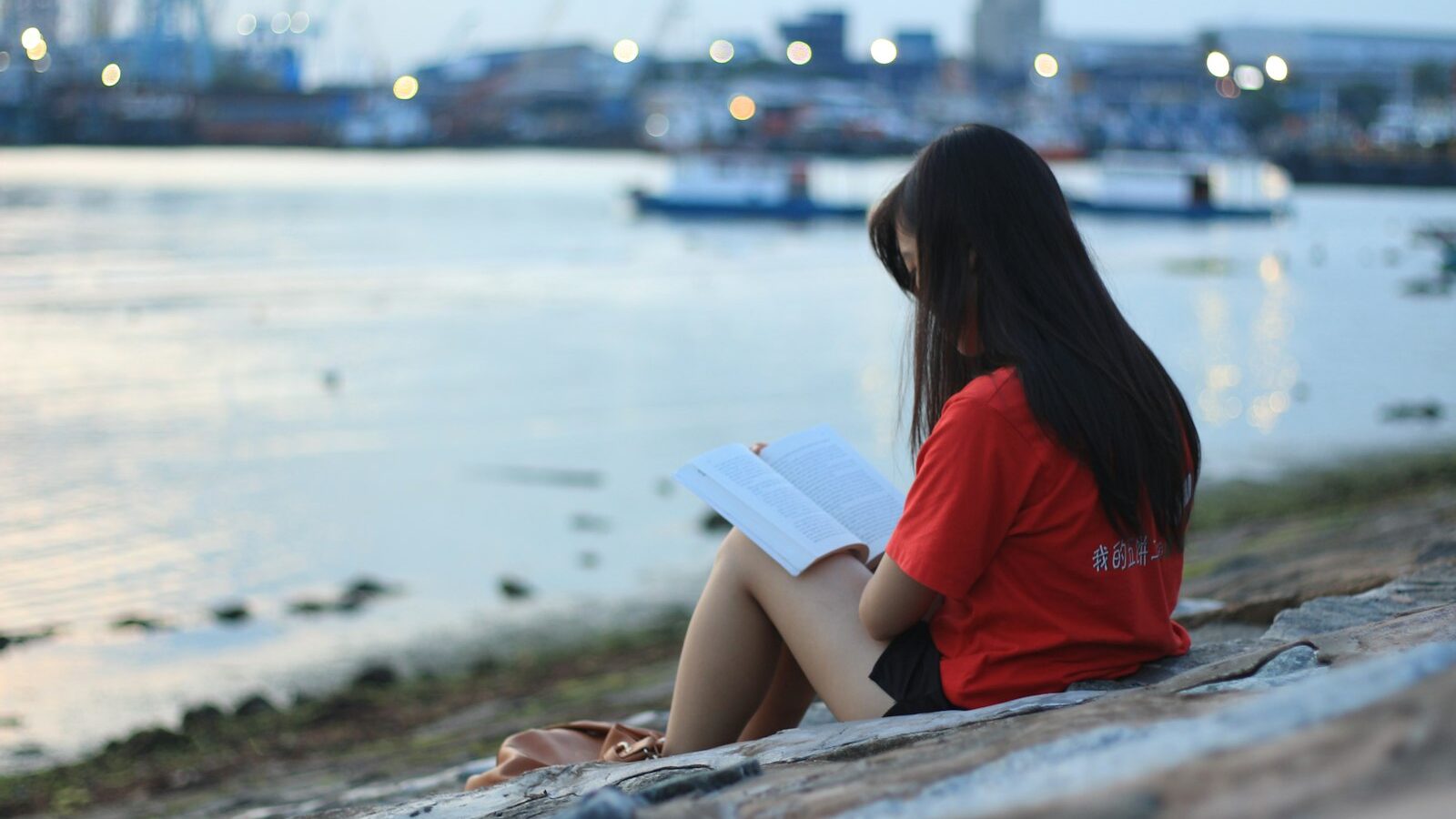
There is a quiet joy in reading a story set on streets you walk every day, filled with voices that sound like the people around you. That is the particular pleasure of Singapore literature, affectionately known as SingLit. It is writing by Singaporeans, about lives shaped by this island, in all its languages and moods. If you have ever felt that literature belonged to faraway places and other people, SingLit is a warm invitation to think again.
For a long time, many readers here grew up on books from elsewhere, wonderful as they were. Yet a rich body of local writing has been growing steadily, and it has never been easier or more rewarding to explore. Singapore literature can be funny, tender, sharp and surprising, and it speaks to the everyday textures of life here in a way no imported book quite can. This guide is a gentle, welcoming introduction: what SingLit is, the languages and forms it takes, where to start reading, and how to make it a lasting part of your life.
What SingLit Actually Is
At its simplest, SingLit is literature written by Singaporeans, often reflecting Singaporean settings, histories and experiences. It is not a single style or subject. It spans intimate family dramas and sweeping historical novels, playful poems and biting satire, quiet coming-of-age stories and bold experiments with form. What ties it together is a sensibility rooted in this place.
You might find yourself reading about a childhood in a kampung, the pressures of a modern flat, the flavours of a hawker centre, or the small negotiations of a multicultural neighbourhood. Local writers often weave in the rhythms of how people really speak here, so a line of dialogue can feel startlingly familiar. That shock of recognition, seeing your own world rendered with care, is one of the great pleasures of reading local.
SingLit is also a living, growing scene. New voices emerge every year through small publishers, literary journals and festivals, and established writers keep pushing into fresh territory. Reading it is not a dutiful, dusty exercise. It is a way of joining a conversation about who we are, one that is still very much being written.
The Languages and Voices of Singapore Literature
One of the most beautiful things about Singapore literature is that it does not live in a single language. Reflecting the country itself, it is written in English, Chinese, Malay and Tamil, each carrying its own long traditions and communities of readers. A full picture of SingLit includes all four, and much of the richest work draws on more than one culture at once.
English-language writing is often the most visible to new readers, partly because it travels easily and appears widely in shops and libraries. Yet the Chinese, Malay and Tamil literary traditions here are deep and vibrant, with their own celebrated poets, novelists and storytellers. Increasingly, translations and bilingual editions are making these works available to readers who do not read the original language, opening doors that were once closed.
For a beginner, this variety is a gift rather than a hurdle. You can start in whichever language you are most comfortable with, then let curiosity lead you outward. Reading a translated Malay poem or a Chinese short story alongside English fiction gives you a fuller, truer sense of the many voices that make up this island’s writing.
Where to Start Reading
The friendliest way into SingLit is simply to browse with an open mind, and Singapore makes that easy. You do not need a reading list from an expert. You need a free afternoon and a little curiosity.
- Visit the National Library and its branches. The public library system holds a generous collection of local writing across all four languages, often gathered in dedicated Singapore sections. Librarians can point you towards well-loved titles, and borrowing means you can sample freely without spending a cent.
- Explore local bookshops. General bookshops and smaller independent stores usually keep a local writing shelf, and staff are often passionate guides. Browsing in person lets you flick through and follow your instincts.
- Follow local literary events. Readings, book launches and the country’s literary festivals are lovely, low-pressure ways to discover writers and hear them read their own work aloud.
- Ask fellow readers. Book clubs, online reading communities and friends who read locally are full of warm recommendations tailored to what you already enjoy.
Rather than chasing a definitive canon, let one book lead to the next. If you loved a particular writer, look for others who share their themes or era. The pleasure is in the wandering.
Finding the Form That Suits You
SingLit comes in many shapes, and knowing what each offers helps you choose where to begin. If long novels feel daunting, you are in luck, because some of the most loved local writing lives in shorter forms you can enjoy in a single sitting.
| Form | Great for | What to expect | A gentle way in |
|---|---|---|---|
| Poetry | Readers short on time | Vivid images, strong local voice, quick to sample | Read one poem a day |
| Short stories | Trying many writers fast | Complete tales in a few pages; easy to dip in and out | Pick up a local anthology |
| Novels | Sinking into one world | Deeper characters and settings; a longer commitment | Start with a story that echoes your own life |
| Drama and plays | Fans of dialogue and stage | Sharp, spoken language; often funny and pointed | Read a script, then catch a staging |
There is no correct order and no form you must “graduate” to. Many readers happily move between a slim poetry collection, a fat novel and a book of short stories depending on their mood. Let the form follow your appetite rather than the other way around.
Making SingLit Part of Your Life
Reading local is a habit that grows sweeter with time, and a few small choices help it stick. Keep a running list of writers you want to try, so you are never stuck for your next read. Borrow generously from the library to explore widely, then buy the books you love to support the writers and small publishers who make them.
Sharing the joy matters too. Recommend a local title to a friend, suggest one for your book club, or simply talk about what moved you. Every reader who champions Singapore literature helps the whole scene flourish, giving new writers the readers and encouragement they need to keep going.
Most of all, approach it without pressure. You do not need to read everything, understand every reference, or have opinions ready for a seminar. You only need to stay curious and let the stories in. Somewhere on a nearby shelf is a Singaporean book waiting to feel like it was written just for you, and finding it is one of the quiet delights this island has to offer.
Explore more
The best companion to reading local is a steady routine, so see our guide to building a reading habit and the friendly fun of joining a book club. If SingLit stirs the urge to write your own stories, our guides to creative writing for beginners and how to get your writing published will show you the next step.