
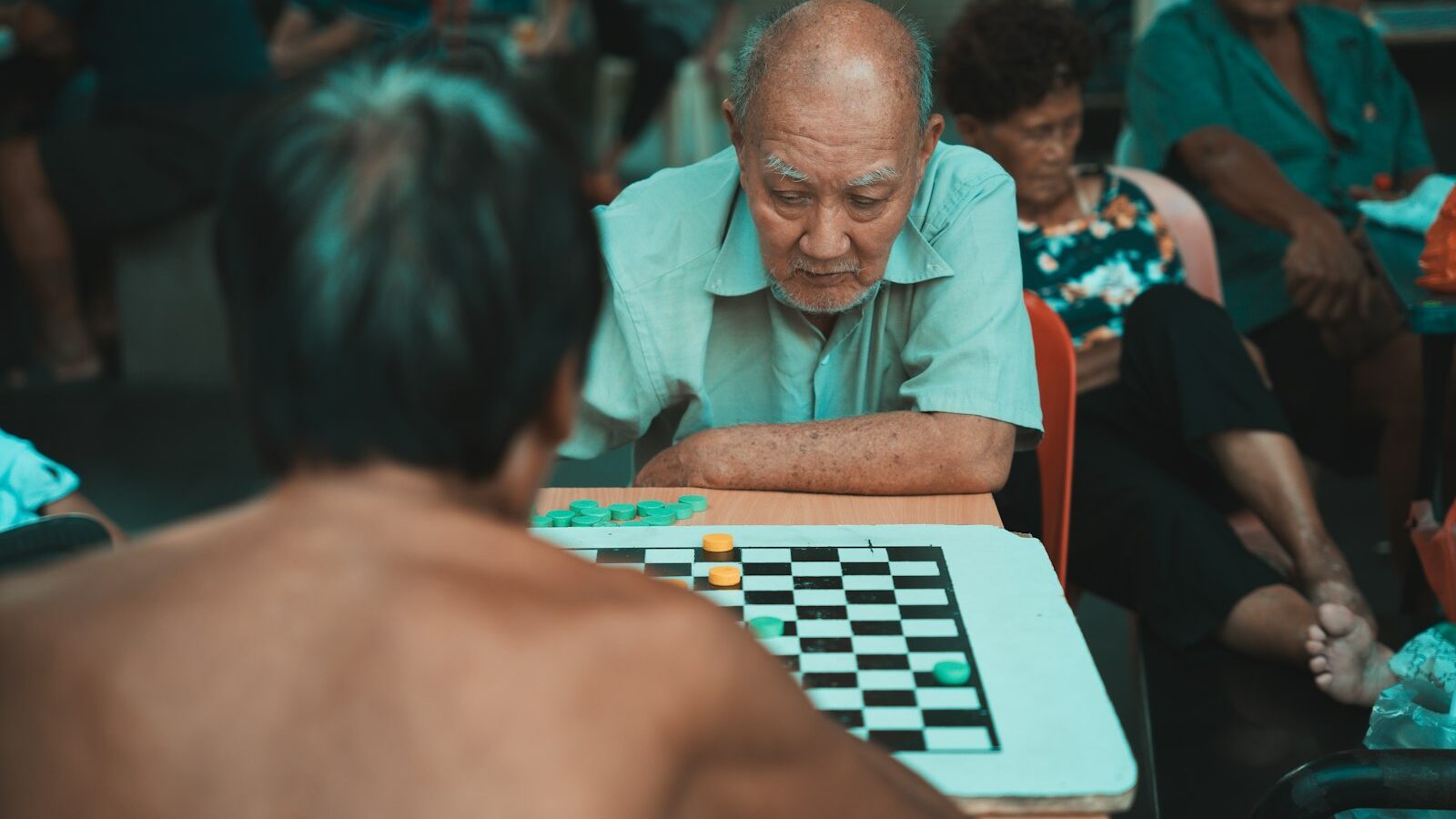
Gaming is not just for teenagers glued to a screen. More and more older adults in Singapore are discovering that video games are a fun, sociable and surprisingly gentle way to spend time, whether that is a quick puzzle over morning kopi, a relaxing garden to tend on a tablet, or a lively bowling match in the living room with the grandchildren. Gaming for older adults has grown quickly as devices have become simpler and games have become friendlier to complete beginners. You do not need fast reflexes, expensive gear or any prior experience. You just need curiosity and a comfortable place to sit.
This guide explains the real benefits, the easiest ways to begin, how to set up so gaming stays comfortable, and how to turn it into shared family time. Everything here assumes you are starting from scratch, so nothing is taken for granted.
Why Gaming Appeals Later in Life
Games offer more than entertainment, and older players often notice several everyday benefits. None of these are medical claims, but many people simply find that gaming adds a little something to their week.
- Gentle mental stimulation: Puzzles, word games, strategy titles and memory challenges keep the mind pleasantly busy. Working out a tricky level can feel as satisfying as finishing a crossword.
- Staying connected: Online and local multiplayer games let you play with grandchildren overseas, old friends, or new acquaintances. A shared game gives you something to chat and laugh about.
- Relaxation and mood: Cosy games about farming, decorating, cooking or gardening are calming and have no time pressure. They are a lovely way to unwind.
- A sense of progress: Levelling up, completing a collection or finishing a story provides small, regular wins that feel rewarding.
- Learning something new: Picking up a fresh skill at any age is good for confidence, and games are a low-stakes, enjoyable place to do it.
If you ever feel gaming is affecting your sleep, activity levels or mood, simply scale back and keep it in gentle balance with the rest of life. It should add to your days, not crowd them.
Easy Ways to Get Started
The friendliest entry points are the ones you may already own. There is no need to buy anything fancy while you find your feet.
Start with what is closest to hand:
- Your phone or tablet: Touchscreens are intuitive, and the app stores are full of free puzzle, word, card and gardening games. Tap to play, and stop whenever you like.
- Simple console games: Family consoles offer motion-controlled games such as bowling, tennis and golf, where you swing the controller like the real thing. These are easy to grasp and great fun in groups.
- Classic games you already know: Digital versions of mahjong, solitaire, chess, checkers and word games feel instantly familiar, so there is almost no learning curve.
- Cosy and casual titles: Look for relaxing games with no timers, no combat and no penalty for going slowly. Farming, decorating and puzzle games are perfect first choices.
A few tips make the first week smoother:
- Begin with one game rather than downloading a dozen, so you are not overwhelmed.
- Turn on tutorials and hints, which walk you through the controls step by step.
- Play in short sessions at first, perhaps fifteen or twenty minutes, and build up as you please.
- Ask a younger relative to help you install a game and show you the basics. Most are delighted to help.
Watch out for in-game spending. Many free games invite you to buy extras, so you can simply ignore those prompts, and it is wise to set up a passcode so nothing is purchased by accident.
Setting Up for Comfort and Accessibility
A comfortable setup makes all the difference, especially if you have any issues with eyesight, hearing or hands. The good news is that modern games and devices include plenty of helpful accessibility options.
Consider these adjustments:
- Bigger, clearer visuals: Increase the text size, turn up the brightness and choose games with large, uncluttered screens. Sitting a sensible distance from the TV helps too.
- Comfortable sound: Raise the volume, turn on subtitles, and use headphones if they help you focus or avoid disturbing others in the flat.
- Easier controls: Many games let you slow the pace, remap buttons, or use a touchscreen instead of a controller. Some offer an assist or easy mode with no shame attached.
- A supportive seat: Play in a chair with good back support, keep the screen at eye level, and rest your arms comfortably rather than reaching.
- Kind on the eyes and body: Follow the 20-20-20 habit, which means every twenty minutes look at something about twenty feet, or six metres, away for twenty seconds. Stand up, stretch and have a drink of water between sessions.
You do not need premium equipment. A basic tablet or an older console is more than enough to begin, so there is no need to spend much while you decide whether gaming is for you.
Playing Together as a Family
One of the greatest joys of gaming later in life is sharing it. In many Singapore homes, a console or tablet becomes common ground across the generations, and a gaming corner in the living room quickly turns into a gathering spot.
Ways to make it social:
- Couch co-op games, where two or more people play in the same room, are ideal. Party games, quiz games and motion sports are easy for everyone, regardless of age or skill.
- Play online with distant family, so grandchildren studying or living overseas can join you in the same game while you chat.
- Take turns and coach each other, with the more experienced players helping the newcomers. Grandchildren often love teaching a grandparent for a change.
- Pick games everyone enjoys, favouring cheerful, cooperative titles over anything overly fast or competitive, so nobody feels left behind.
Here is a quick guide to matching a game type to what you are in the mood for.
| If you want… | Try this type of game | Why it works |
|---|---|---|
| A calm solo hobby | Puzzle, word or cosy games | No time pressure, easy to pause |
| A mental workout | Strategy, chess or memory games | Keeps the mind pleasantly engaged |
| Family fun at home | Motion sports and party games | Simple controls, great in groups |
| Time with distant relatives | Online co-op games | Play and chat across the miles |
| Familiar comfort | Digital mahjong or solitaire | Rules you already know well |
Enjoying the Journey at Your Own Pace
Gaming for older adults is really about play, connection and a little gentle challenge, all on your own terms. Start with a phone or tablet you already own, choose one relaxing game, and lean on the tutorials and accessibility settings until it feels natural. Keep sessions comfortable, mind your posture and eyes, and let a younger family member show you the ropes. Before long you may find yourself looking forward to your daily puzzle or a weekend bowling match with the grandchildren. There is no right age to start and no wrong way to play, so take it slowly, have fun, and enjoy discovering a hobby that fits neatly into everyday life in Singapore.