
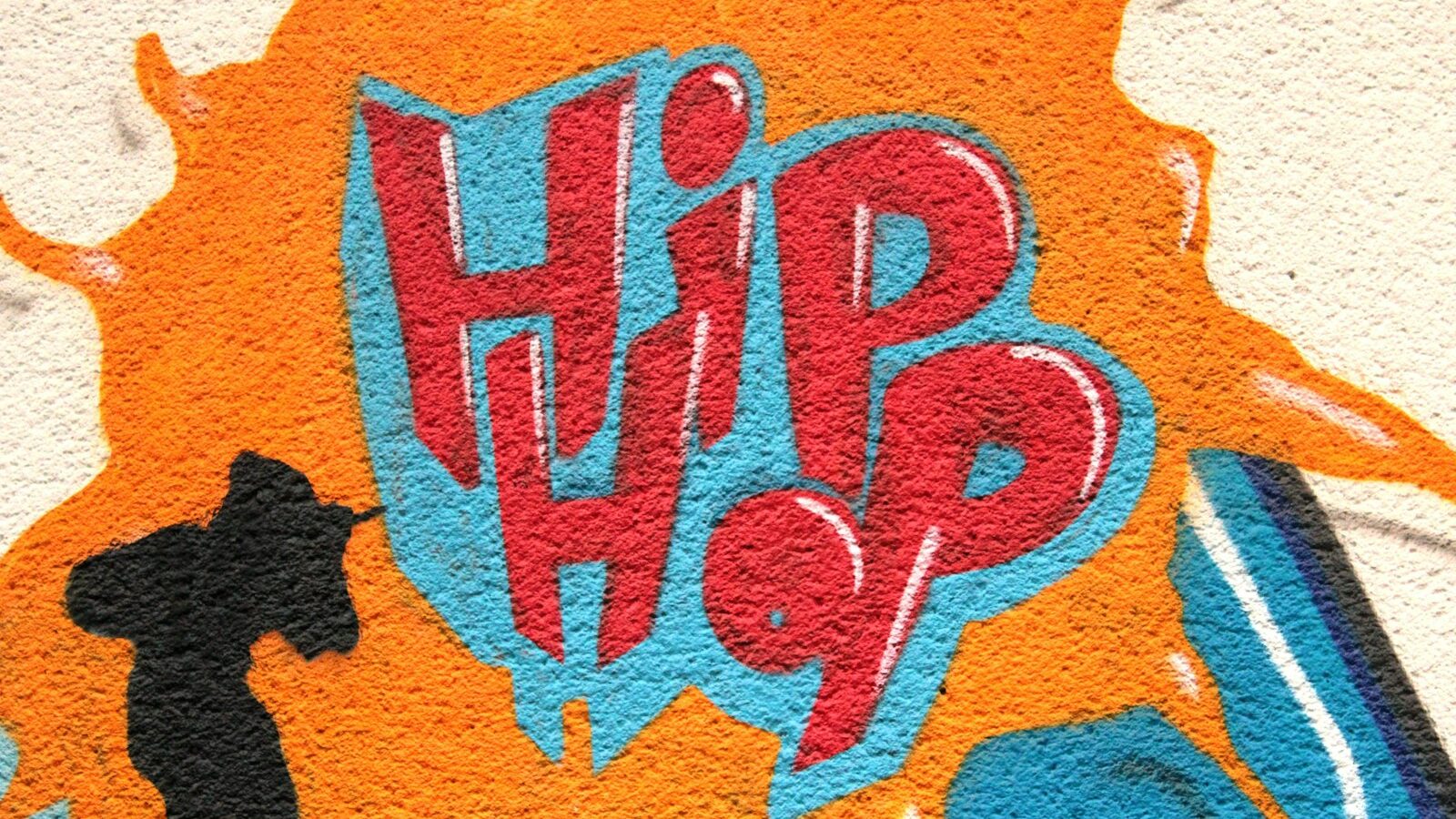
Getting into hip hop can feel like arriving late to a conversation that has been running for fifty years. Do not worry. Hip-hop is one of the most welcoming genres once you understand its rhythms and its history, and there has never been a better time to start listening with fresh ears.
What Hip-Hop Actually Is
At its simplest, hip-hop is a musical style built around rhythmic, rhyming vocals (rapping) delivered over a beat. But that description undersells it. Hip-hop is also a whole culture, traditionally described as having four elements: MCing (rapping), DJing, breakdancing and graffiti art. When people talk about hip-hop as a way of life, they are pointing to this larger picture of creativity, community and self-expression.
The music itself is endlessly flexible. A track might be built from a looped sample of an old soul record, a booming programmed drum pattern, a live band, or a minimalist beat made entirely on a laptop. What holds it together is the voice and the groove. Rhythm, wordplay and personality matter more than traditional melody, though melody is very much present in modern hip-hop too.
Where It Came From
Hip-hop was born in the early 1970s in the Bronx, New York City, within African American and Latino communities. At neighbourhood block parties, DJs began isolating and looping the most danceable percussion sections of funk and soul records, known as the “break”. DJ Kool Herc is widely credited as a pioneer of this technique. As the breaks looped, MCs started talking and rhyming over them to keep the crowd energised, and rapping as we know it began to take shape.
Through the late 1970s and 1980s, the genre grew from local parties into a recorded art form and then a global movement. Artists such as Grandmaster Flash and the Furious Five showed that hip-hop could carry serious social commentary. Run-DMC and others brought it to mainstream audiences. By the 1990s, a period many fans regard as a golden era, hip-hop had split into rich regional scenes, with East Coast and West Coast styles developing distinct sounds and attitudes.
It is worth recognising that hip-hop has always been rooted in community, resilience and storytelling. Understanding that context helps newcomers appreciate why the culture takes its own history so seriously.
The Main Sub-Genres
One reason getting into hip hop feels overwhelming is the sheer number of styles under the umbrella. Here is a simple map to orient yourself.
| Sub-genre | Feel and focus | Good for newcomers who like |
|---|---|---|
| Boom bap | Classic 1990s sound, hard drums, jazzy or soulful samples | Warm, nostalgic, groove-driven music |
| Conscious rap | Lyric-led, social and political themes | Storytelling and thoughtful writing |
| Trap | Rolling hi-hats, heavy 808 bass, Southern US roots | Modern, atmospheric, club-ready beats |
| Alternative hip-hop | Experimental, genre-blending production | Listeners from indie or electronic backgrounds |
| Old school | The foundational 1970s and 1980s sound | Understanding where it all began |
| Drill | Dark, sparse, aggressive beats | Raw energy and contemporary edge |
You do not need to memorise these. Think of them as doorways. Most listeners wander in through one and gradually explore the others.
How To Start Listening
The friendliest way to get into hip hop is to follow your curiosity rather than a checklist. Still, a little structure helps.
Start with a decade you can feel
Many newcomers connect quickly with 1990s boom bap because the samples come from soul, jazz and funk that already sound familiar and warm. If you prefer something more current, modern melodic rap and trap may feel more natural. Pick whichever era draws you in and spend a week there.
Listen to lyrics, then listen again
Hip-hop rewards repeat listens. On a first pass, let the rhythm and flow wash over you. On the second, pay attention to the words: the internal rhymes, the wordplay, the stories being told. Reading along with lyrics for a favourite track can transform your appreciation entirely.
Follow the producers, not just the rappers
The person making the beat shapes the whole feel of a song. Once you notice you enjoy a certain producer’s sound, you have a thread to pull that leads to dozens of tracks you will probably love.
Explore locally
Singapore has its own growing home-grown hip-hop and rap scene, performed in English, Mandarin, Malay and more. Catching a local set is a wonderful way to feel the music’s live energy up close, and it connects the global story to your own city.
Tips For Newcomers
- Do not chase every classic album at once. Depth beats breadth when you are starting out.
- Use curated playlists as gentle guides, then branch off when a track grabs you.
- Give a song at least two or three plays before deciding. Hip-hop often clicks on the second listen.
- Read a little about an artist’s background. Context makes the music richer.
- Stay open. If one sub-genre does not land, another almost certainly will.
A Few Common Worries, Answered
Some newcomers feel they are “too old” or “not the right audience” for hip-hop. The genre’s global reach and its long history put that worry to rest. Listeners of every age and background enjoy it, and its themes of struggle, ambition, humour and community are universal.
Others worry about explicit content. Plenty of hip-hop is completely family-friendly, and streaming services offer clean versions and content filters. Conscious rap and jazz-influenced hip-hop in particular tend to be gentler entry points.
Keep Going
The best part of getting into hip hop is that the journey never really ends. Each artist points you towards their influences, and each beat can send you digging into the old records it sampled. Start small, listen with curiosity, and let one song lead you to the next. Before long you will have your own favourites, your own opinions, and a genuine feel for one of the richest musical cultures of the modern era.
Explore more: How to discover new music in Singapore · Getting into jazz: a beginner’s guide · Live music venues in Singapore