
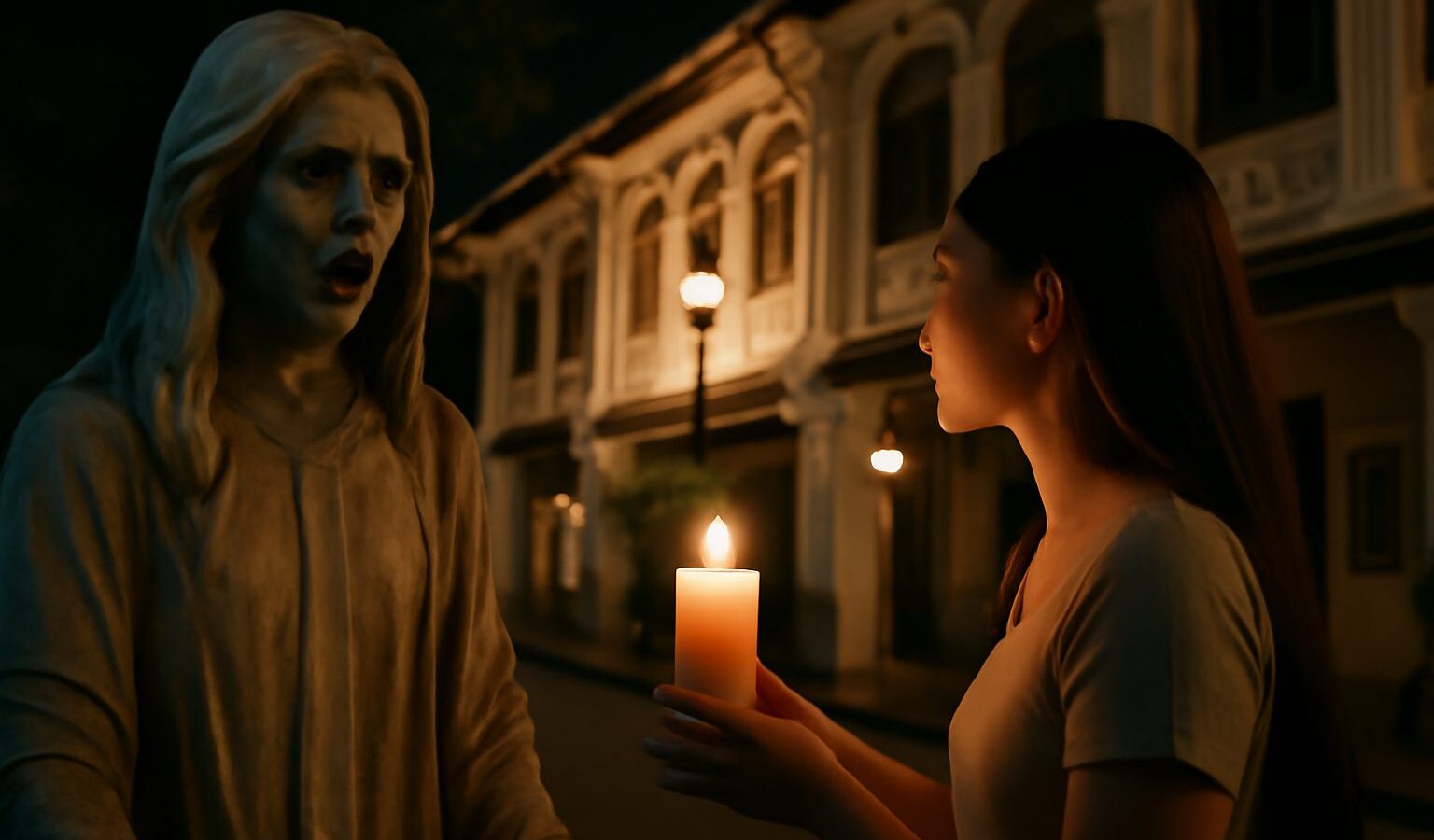
There is a different city that emerges after sunset. The heat softens, shophouse lanterns glow, and streets that bustle by day take on a quieter, more atmospheric character. That mood is exactly why night tours Singapore visitors and locals sign up for have become such a popular way to see the island. Part history lesson, part gentle thrill, a good after-dark walk peels back the polished surface to reveal older stories: wartime memories, forgotten trades, colonial-era buildings, and the folklore that grew up around them.
This guide explains what these tours are really about, who they suit, what to expect, and how to choose one, with an emphasis on the rich heritage that makes walking Singapore at night so rewarding.
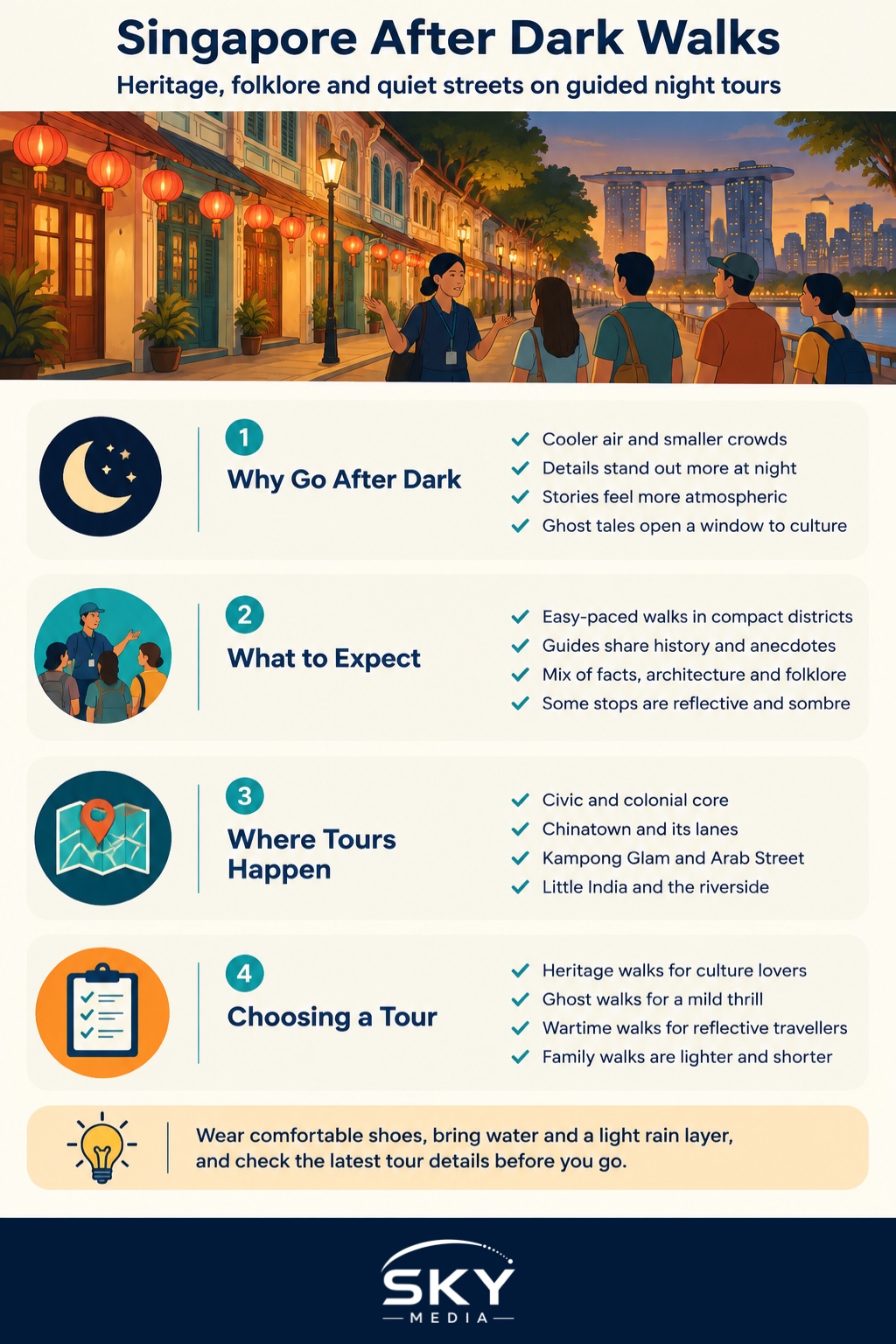
Why Explore the City After Dark
Daytime sightseeing tends to move fast and stay on the surface. Evening walks slow everything down. With fewer crowds and cooler air, you notice the details: the carved facades, the five-foot ways, the plaques that most people stride past. Guides use the hush and the shadows to bring the past alive, telling the human stories behind grand buildings and humble back lanes alike.
The “ghost” element, where it appears, is really a doorway into local culture. Tales of restless spirits and old superstitions are woven through Singapore’s many communities, and hearing them under lamplight is a memorable way to understand beliefs, customs, and history that shaped daily life. Handled well, these stories are less about scares and more about heritage, empathy, and a sense of place.
What a Heritage Night Walk Is Really Like
Most night walks are just that, walks, led at an easy pace through a compact district. A guide sets the scene at each stop, sharing history, architecture, and anecdotes, then moves the group on. You will typically cover a manageable loop on foot, with plenty of pauses to look, listen, and ask questions.
Expect a blend of the factual and the atmospheric:
- Real history: how a neighbourhood grew, who lived and worked there, and what remains.
- Architecture: the shophouses, places of worship, and older institutions that define a street.
- Folklore: the local legends and superstitions attached to particular spots, told with respect.
- Reflection: quieter moments at sites tied to wartime or remembrance, handled thoughtfully.
The tone varies by operator. Some lean scholarly and calm; others add a touch of theatrical suspense. Neither aims to frighten so much as to intrigue, and the best guides keep the folklore firmly rooted in the heritage it comes from.
Where These Walks Tend to Happen
Singapore’s older districts are the natural stage for night tours, and each brings a distinct flavour. You do not need exact addresses to picture them; the characters of these areas do the work.
- Civic and colonial core: grand institutional buildings, monuments, and remembrance sites steeped in history.
- Chinatown and its lanes: temples, traditional trades, and layered stories of migration and community life.
- Kampong Glam and the Arab Street quarter: heritage architecture, cultural landmarks, and evocative back lanes.
- Little India: vivid streets, places of worship, and tales tied to the neighbourhood’s evolution.
- Riverside and quays: former godowns and trading houses that speak to the port city’s origins.
Because routes, meeting points, and the exact stops on any given walk change over time, treat these as broad areas rather than fixed itineraries and confirm current details before you set out.
Choosing the Right Tour for You
Not every after-dark walk suits every group. Use this comparison to match a tour to your mood and company.
| Tour style | Best for | What to expect | Good to know |
|---|---|---|---|
| Heritage history walk | Culture lovers, curious visitors | Deep local history, architecture, gentle pacing | Little that is scary; lots to learn |
| Ghost and folklore walk | Those who enjoy a mild thrill | Legends and superstitions told atmospherically | Tasteful, not gory; more eerie than horror |
| Wartime and remembrance walk | Reflective travellers | Sombre history handled with care | Best approached respectfully |
| Family-friendly evening walk | Older kids and mixed groups | Lighter stories, shorter, easy route | Check suitability for younger children |
Formats, group sizes, and how walks are run can differ and change, so always check the latest information directly rather than assuming what any tour will cover.
Practical Tips for a Night Walk
A little preparation makes the evening far more enjoyable. These outings are outdoors and on foot, so comfort matters.
- Wear comfortable, closed shoes and light, breathable clothing; evenings stay warm and humid.
- Carry water, and pack a light rain layer or compact umbrella in case of a passing shower.
- Bring mosquito repellent, especially near green or riverside stretches.
- Arrive early to find the meeting point, and note that walks continue in light rain but may adjust for storms.
- Keep your phone charged for the odd photo, but resist scrolling; the atmosphere is the point.
Above all, go with an open mind. Approach the folklore as part of the cultural fabric rather than a horror show, and be respectful at sites of remembrance and worship. That mindset turns a simple night walk into a genuinely moving encounter with the city’s layered past.
A Different Side of Singapore
What lingers after a good night tour is rarely the ghost story. It is the sense that ordinary streets carry extraordinary histories, and that the city you thought you knew has depths still worth discovering. Whether you come for the heritage, the legends, or simply a cooler-hour stroll with a knowledgeable guide, an evening walk is one of the most atmospheric things to do on the island.
Explore More
To keep exploring on foot, pair this with our guide to heritage walking trails in Singapore for daytime history, and our roundup of the best parks in Singapore for greener wandering. If you would rather laugh than shiver after dark, round off the evening with our look at comedy clubs and live shows in Singapore.
Frequently Asked Questions
Can I do a self-guided night heritage walk in Singapore? You can, since heritage districts have markers, plaques and well-lit streets, and the National Heritage Board publishes trail maps you can follow at your own pace. You will miss a guide’s stories and folklore, so reading up on each stop beforehand helps.
Is it safe to walk around Singapore’s old districts at night? Singapore is generally very safe after dark, and heritage areas like Chinatown, Kampong Glam and the riverside stay busy into the evening. Normal care still applies: watch for traffic on narrow lanes, stay hydrated and keep your belongings close in crowds.
Is the Hungry Ghost Festival a good time to join a ghost tour? The seventh lunar month adds atmosphere, with roadside offerings, burning incense and getai performances in some neighbourhoods. Be respectful: do not step on or touch offerings, avoid taking food left out, and keep a polite distance when photographing rituals.
Are there night heritage tours in Mandarin or other languages? Some operators run walks in Mandarin and occasionally other languages, or offer private tours in the language you request. Check the tour description or ask the operator when booking, especially for groups with older relatives.
Are night walking tours suitable for wheelchair users? Some routes work well, since many central districts have kerb ramps and level pavements, but older lanes may include steps, uneven five-foot ways or narrow passages. Tell the operator your needs in advance so they can suggest a suitable route or private tour.