
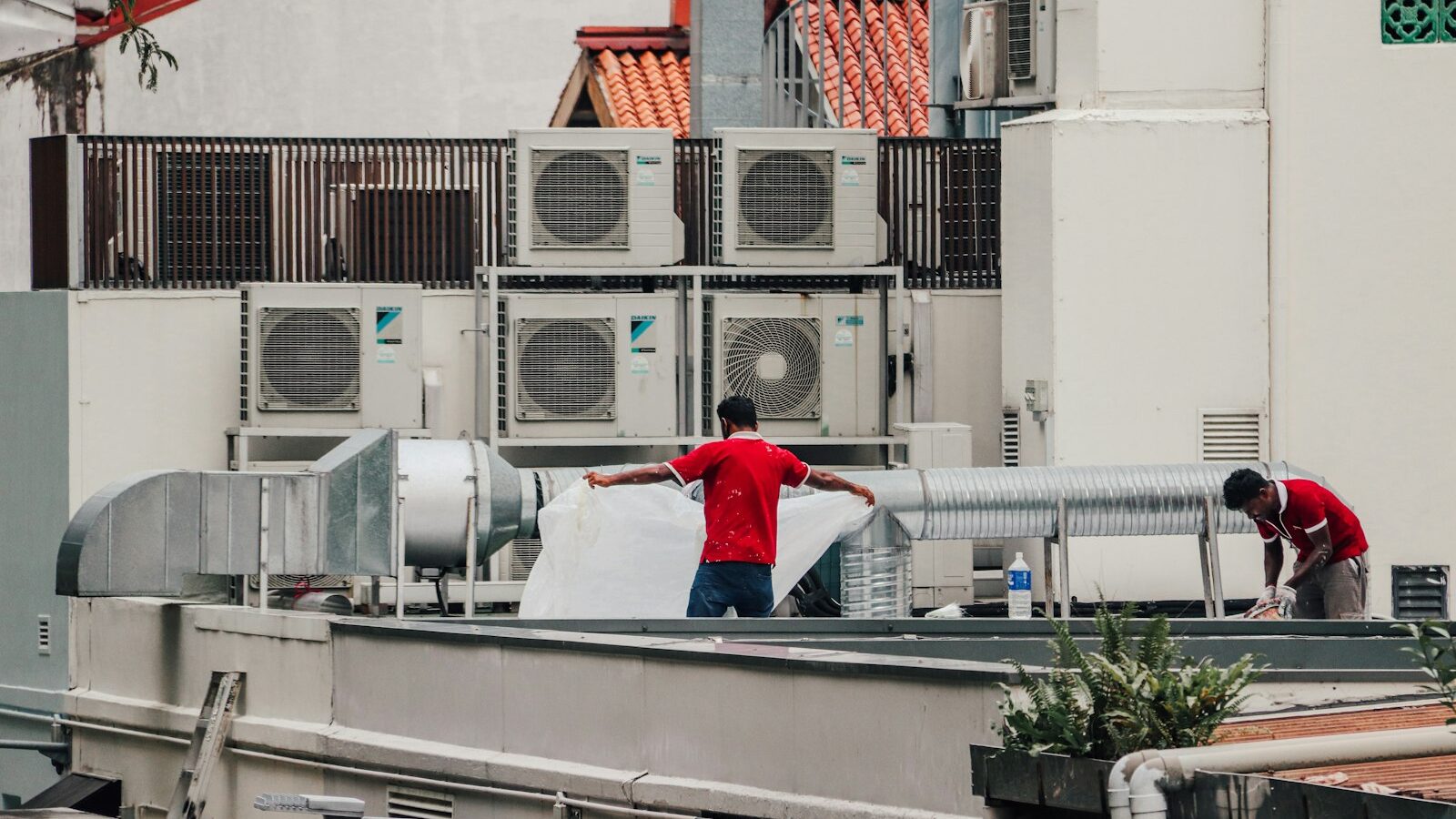
An aircon servicing business singapore venture taps into steady, year-round demand. In a hot and humid climate, almost every home and office relies on air-conditioning, and those units need regular cleaning, gas top-ups, repairs and eventual replacement. For a hands-on person with technical aptitude, this is a practical trade to enter with modest capital and a clear path to recurring income.
This guide covers the concept, the startup steps, the costs to budget for, the skills and equipment you need, how to find and keep customers, and the compliance points that protect your business and your clients.
Understanding the Business
Aircon servicing spans several types of work. Routine servicing covers cleaning filters, coils and drainage to keep units running efficiently. Chemical washing and overhaul deal with heavier grime and mould. Then there is troubleshooting and repair for units that leak, trip or fail to cool, gas top-ups, and full installation or replacement of new systems.
Most successful operators build their income around servicing contracts. A household or office on a regular maintenance plan gives you predictable, recurring visits rather than one-off jobs you must constantly chase. Over time this base of contracts becomes the backbone of a stable business.
You can start solo, working from a van with your tools, and add technicians as demand grows. Because the work is largely referral-driven, a reputation for punctual, tidy and honest service compounds quickly in your favour.
Startup Steps
Begin with a simple plan. Decide whether you will focus on residential blocks, commercial clients, or both, and set your service menu and pricing. Sketch a monthly budget so you know how many jobs you need to cover costs.
Register your business with ACRA. Many trades start as a sole proprietorship for simplicity, then convert to a private limited company as they take on staff and larger contracts. Pick the structure that suits your risk and growth plans, and confirm current requirements with ACRA.
Equip yourself. You will need a reliable vehicle to carry tools and parts, a core toolkit, cleaning pumps and chemicals, gauges, a vacuum pump for installation work, and safety gear. Line up trade suppliers for spare parts, refrigerant and replacement units so you can quote and complete jobs without delay.
Finally, sort out insurance, set up a booking and enquiry channel, and do a few well-priced early jobs to build reviews before you invest heavily in marketing.
Costs to Plan For
Costs depend on whether you start solo or with a small crew, and how much installation work you take on. Treat these as budget categories and gather your own quotes.
| Cost area | What it covers | Notes |
|---|---|---|
| Vehicle | Van or car to carry tools, parts and units | Buy used to start, upgrade later |
| Tools and equipment | Pumps, gauges, vacuum pump, hand tools | Installation work needs more kit |
| Consumables | Chemicals, refrigerant, spare parts | Recurring, tied to job volume |
| Insurance | Public liability, work injury cover if hiring | Protects you and reassures clients |
| Marketing | Website, listings, uniforms, van signage | Referrals reduce this over time |
| Working capital | Fuel, wages, parts float, quiet-period buffer | Keep a reserve for slow months |
Skills and Equipment
Technical competence is the heart of this trade. You need to diagnose faults accurately, clean and service units properly, and handle refrigerant safely. Many entrants gain experience working under an established company first, then branch out, which is a sensible way to build both skill and a customer network.
Handling refrigerant and gas calls for particular care. This work carries environmental and safety obligations, so make sure you are trained to do it correctly and that you follow proper procedures for recovery and disposal rather than venting gas.
Soft skills matter just as much. Customers value technicians who arrive on time, explain the problem plainly, quote fairly and leave the home clean. Reliability and honesty are what turn a single job into a long-running contract and a stream of referrals.
Finding Customers
Word of mouth is powerful in this trade, so treat every job as a chance to earn the next one. Ask satisfied customers for referrals and reviews, and follow up before contracts lapse to lock in renewals.
Build an online presence. A simple website, accurate map listings and a few genuine reviews help people find you when their unit fails on a hot afternoon. Clear van signage and neat uniforms also generate calls from neighbours who see you at work.
For steady growth, target managing agents, small offices, landlords and property managers who oversee many units. Winning one such client can mean dozens of regular servicing visits, which is far more efficient than chasing one-off household jobs alone.
Compliance to Get Right
Aircon servicing is largely a general trade, but several obligations still apply, and this is general information rather than legal advice. Verify the current position with each authority before you rely on it.
Register your business with ACRA and handle tax through IRAS. If you hire staff, follow the Ministry of Manpower, or MOM, rules on employment, CPF contributions and any foreign-worker requirements, which are especially relevant since trades often rely on hired technicians.
Where your work involves refrigerants and gas, be aware of the National Environment Agency, or NEA, rules covering the handling and disposal of controlled refrigerants and environmental protection. Confirm what applies to your specific services with NEA, and make sure any staff doing this work are properly trained.
Safety and insurance round out your compliance. Working at height, handling electrical connections and lifting heavy units all carry risk, so put suitable public liability and work injury insurance in place and follow safe work practices on every job. Keep records of your services, parts used and any gas handled, as these support warranties, renewals and your credibility with commercial clients.
An aircon servicing business singapore venture rewards those who pair solid technical skill with dependable service. Start lean, build a base of maintenance contracts, keep your safety and environmental practices current, and let a strong reputation drive your growth.
Explore more
Register a Company in Singapore
Business Licences and Permits
Hiring Your First Employee
Managing Business Cashflow