
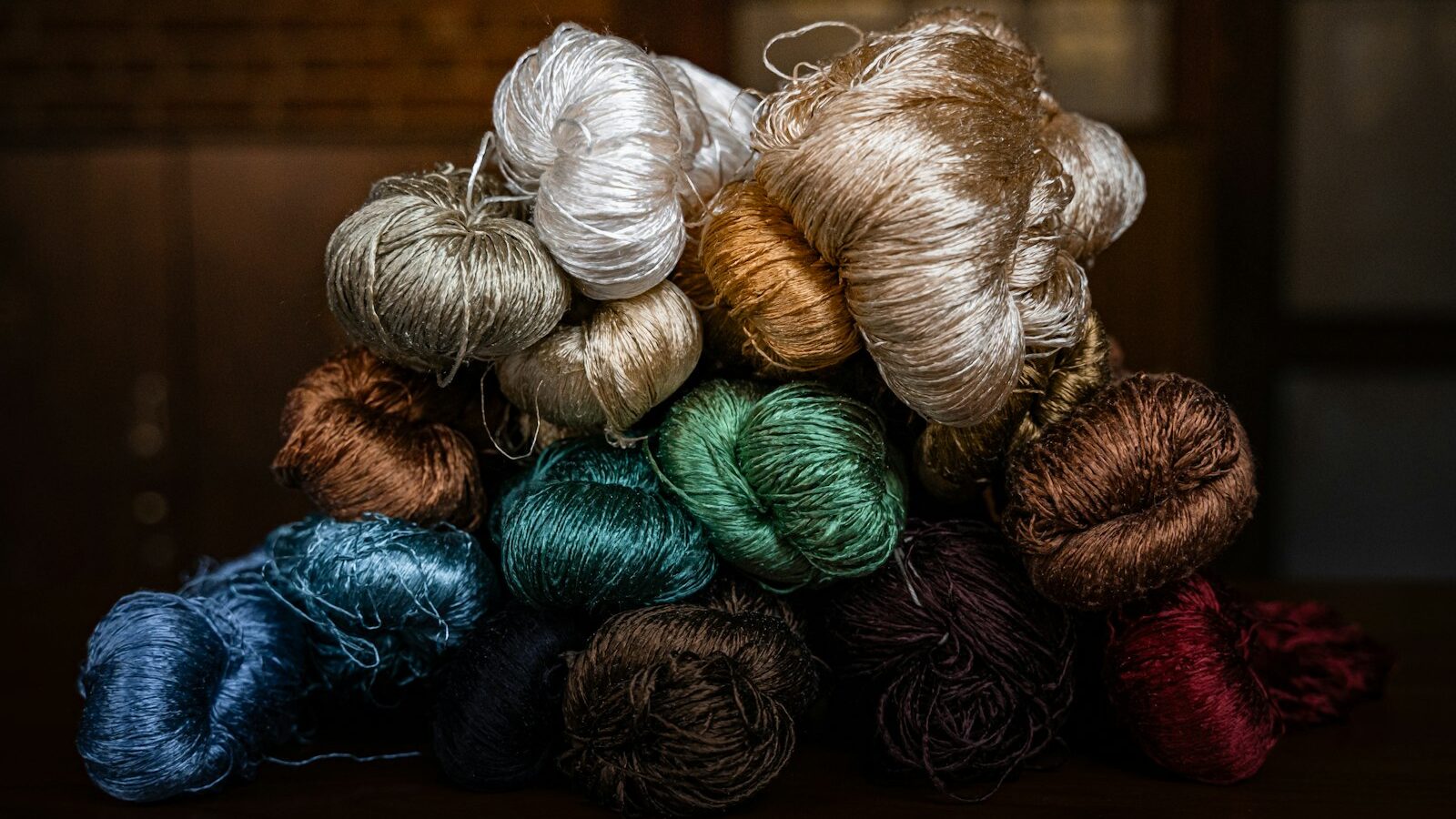
The pieces we love most are often the ones we are most afraid to wash. A soft wool jumper, a silk blouse, fine knitwear and lacy underthings all feel too precious for the machine, so they pile up unworn or head to the dry cleaner every time. The truth is that washing delicates wool silk items at home is simple once you know the gentle routine, and doing it well keeps your favourite clothes looking good for years.
The whole approach comes down to being kind to the fibres. Heat, harsh agitation and rough handling are what shrink, stretch and dull delicate fabrics. Swap those for cool water, a soft touch and flat drying, and most delicates are far more washable than their reputation suggests. Here is the full routine, adapted for our warm, humid climate.
Read the Label and Sort First
Before anything touches water, check the care label. It tells you whether a piece is hand-wash only, machine-gentle safe or genuinely dry-clean only, and it is worth trusting.
- Dry-clean-only pieces, especially structured or heavily embellished ones, are best left to a professional. Some tailored wool and lined garments lose their shape in water.
- Hand-wash symbols mean cool water and a gentle touch, which covers most everyday wool, silk and fine knits.
- Machine-gentle items can go in on a cold, delicate cycle inside a mesh bag, though hand-washing is always the safest choice for anything you truly love.
Then sort by colour and by how delicate each piece is. Wash lights and darks separately, and never crowd very fragile items with heavy ones. A silk scarf and a chunky knit do not belong in the same basin at the same time.
The Gentle Hand-Wash Routine
Hand-washing sounds fussy but takes only a few minutes. This one routine works for wool, silk and most delicates.
- Fill a clean basin with cool or cold water. Cold is the single most important rule, since warm water shrinks wool and can dull silk. Cool water also suits our tap temperature well.
- Add a small amount of gentle detergent. A mild, low-alkaline or detergent made for delicates is ideal. Use a little; too much is hard to rinse out and leaves residue.
- Swish and submerge. Let the item soak for a few minutes, then gently press the suds through it. Do not wring, twist or scrub, as that is what stretches and felts fibres.
- Rinse in fresh cool water until no suds remain. Change the water rather than blasting it under a tap, which can pull delicate fabric out of shape.
- Press out water gently. Support the whole garment, press it against the side of the basin, and never hang a heavy, sopping knit, which will stretch under its own weight.
For a light refresh between proper washes, airing a wool jumper on a hanger in a breezy, shaded spot often removes odour without any water at all.
Wool Versus Silk: Handle Each Right
Wool and silk are both delicate, but they misbehave in different ways. Knowing the difference helps you avoid the classic mistakes.
| Care step | Wool and fine knits | Silk |
|---|---|---|
| Water temperature | Always cold, never warm | Cool, never hot |
| Detergent | Mild or wool-specific, small amount | Mild and gentle, avoid harsh enzymes |
| Handling | No wringing; it felts and shrinks | No wringing; it creases and weakens wet |
| Drying | Lay flat to keep its shape | Flat or hang in shade, away from direct sun |
| Watch out for | Heat and agitation shrinking it | Sunlight and heat fading and weakening it |
The shared rules are the important ones: cold water, no wringing, and gentle drying. Get those right and both fabrics forgive almost everything else.
If You Use the Machine
Sometimes hand-washing is not practical, and that is fine for sturdier delicates. The trick is to make the machine as gentle as possible.
- Use a mesh laundry bag for every delicate item. It cushions fabric against the drum and stops straps and lace from snagging or tangling.
- Choose the coldest, gentlest cycle with the lowest spin speed. Heat and hard spinning are the enemies of delicate fibres.
- Wash a small load so items move freely and are not crushed against zips or buttons on other clothes. Fasten zips and turn knits inside out.
- Skip the fabric softener on wool and silk, since it can coat fibres and dull their natural feel. A gentle detergent is enough.
Even on a good machine cycle, treat this as a step down from hand-washing rather than an equal. Reserve it for your hardier delicates and hand-wash the truly precious pieces.
Drying, Storing and Everyday Care
Drying is where many delicates are quietly ruined, so it deserves as much care as the wash. In our humidity, good airflow matters even more.
- Lay knits and wool flat on a clean, dry towel, reshaping them gently to their original form. Hanging heavy wet knits stretches them out of shape for good.
- Dry in the shade, never in strong sun. Direct afternoon glare fades silk and can weaken fibres, and it is easy to forget a piece out on a hot balcony.
- Keep airflow moving. A fan or a breezy, shaded spot speeds drying and fights the mildew smell that humidity can cause.
- Iron on low with a cloth. If silk needs pressing, use the silk setting or place a thin cloth between the iron and the fabric, and press while slightly damp.
- Store clean and dry. Fold knits rather than hanging them, and make sure everything is fully dry before it goes away, since damp storage invites musty smells and mildew in our climate.
Treating delicates well is one of the most cost-effective habits in your wardrobe. A little care extends the life of clothes you already own, so you buy less and love what you have for longer. Once this routine becomes second nature, washing delicates wool silk pieces stops feeling risky and simply becomes part of keeping your best clothes at their best.
Explore more
Good fabric care pays off most on the pieces you wear to important occasions. Keep your smart layers fresh for events with what to wear to a networking event, and protect your travel knits between trips using the packing tips in comfortable airport and travel outfits.