
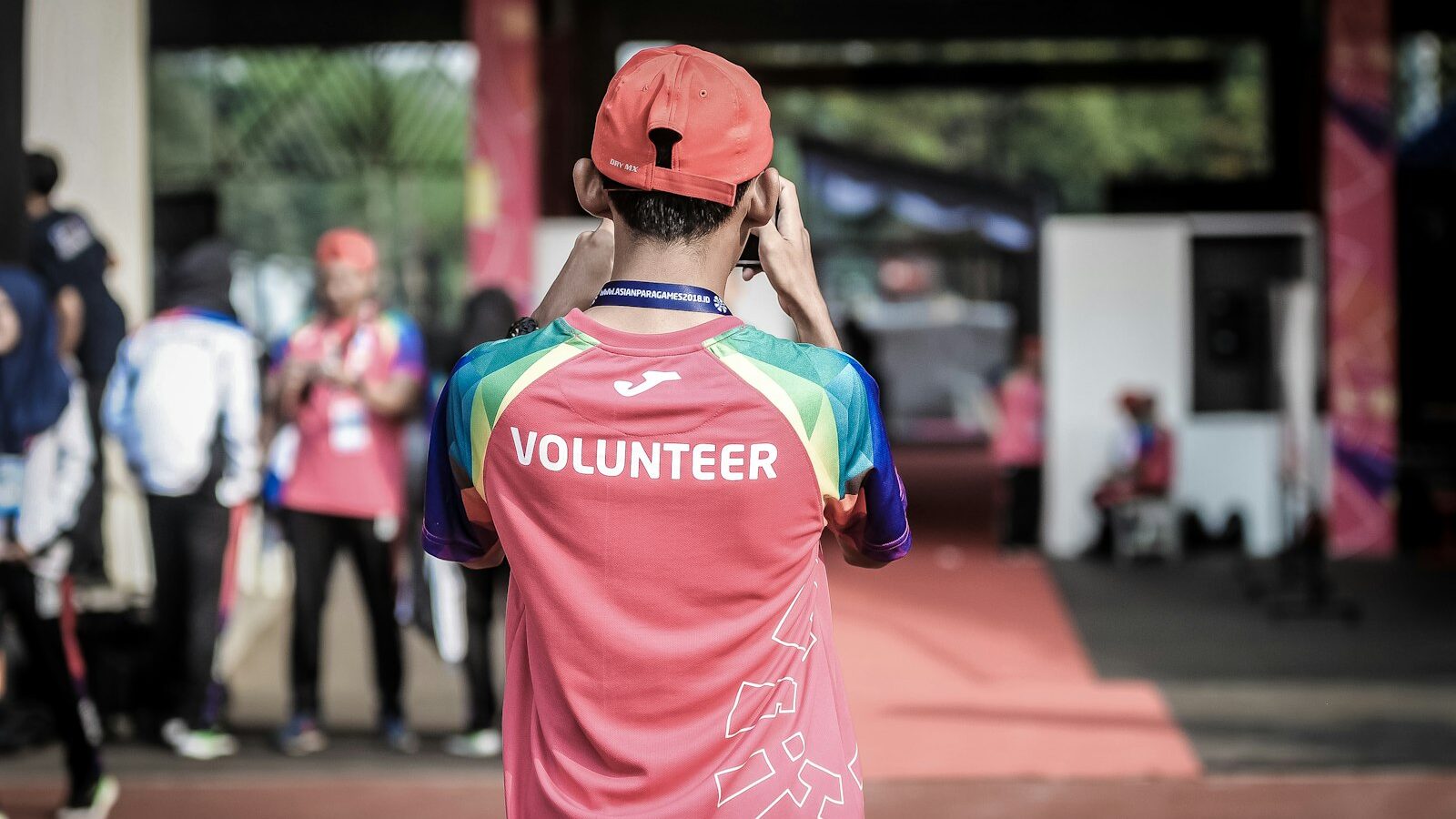
Volunteering for your career Singapore is one of the most underrated moves a working person can make. It sounds like something you do purely out of goodwill, and it should start there, but the honest truth is that giving your time well can also stretch your skills, widen your network and show employers a side of you a resume never captures. Done thoughtfully, it becomes a low risk way to try new work, meet people outside your usual circle and build the kind of reputation that quietly opens doors.
This guide walks through how to make volunteering count for your working life without turning it into a cynical box-ticking exercise. The goal is simple: contribute something real, and let the growth follow.
Why Giving Time Builds Real Career Capital
When you volunteer, you often end up doing work you would never be handed in a paid role, at least not this early. A junior marketer might run an entire fundraising campaign for a charity. A quiet analyst might find themselves chairing a committee meeting. These stretch experiences are valuable precisely because the stakes are lower and the trust is higher. People let you try.
There is also a credibility angle. In Singapore, employers increasingly look for evidence of initiative, teamwork and values, not just technical ability. TAFEP promotes fair and merit-based hiring, and a candidate who can show sustained community involvement often reads as someone who follows through. That said, avoid treating good deeds as a transaction. The people who benefit most from volunteering are usually the ones who show up consistently and care about the cause, because that consistency is what builds genuine relationships and skills.
Finally, volunteering can help you test a career pivot cheaply. Curious about event management, social work, data for good or teaching? Offer a few hours before you commit to a course or a career switch. You learn whether the reality matches the daydream.
Skills You Can Grow Outside the Office
Skills-based volunteering is where the career payoff is clearest. Instead of only stuffing goodie bags, you contribute a professional skill and sharpen it in a new context. A few examples:
- Project coordination: planning a community event teaches budgeting, logistics and stakeholder management.
- Communication: briefing volunteers, writing appeals or handling beneficiaries builds clear, empathetic communication.
- Digital skills: many non-profits need help with websites, social media, spreadsheets or simple automation.
- Leadership: leading a small team of volunteers is real people management, minus the corporate politics.
- Public speaking: emceeing or facilitating a session is practice you cannot easily get at your desk.
The trick is to be intentional. Pick one or two skills you want to develop, then choose roles that stretch them. Keep a short private log of what you did and what changed, because you will need those specifics later when you talk about the experience. If you want to pair volunteering with structured learning, SkillsFuture SG and Workforce Singapore list courses that complement hands-on practice, so check their current offerings for eligibility and subsidies.
Where to Find Meaningful Opportunities in Singapore
Singapore has a well-organised volunteering ecosystem, so you rarely need to cold-call anyone. Start with the national platforms and community touchpoints, then narrow to causes you actually care about.
- Giving.sg and the SG Cares network list roles across hundreds of organisations, searchable by cause and commitment level.
- Community Development Councils and grassroots groups run neighbourhood programmes if you prefer local, in-person work.
- Professional bodies and alumni networks often organise pro bono projects that use your exact skill set.
- Company-led corporate social responsibility programmes let you volunteer through work, sometimes on paid time.
When you evaluate an opportunity, weigh the cause, the skills involved and the realistic time commitment. Below is a simple way to match your goal to a style of volunteering.
| Your Career Goal | Best Volunteering Style | What It Builds | Time Commitment |
|---|---|---|---|
| Explore a career switch | Short project or trial role | Real exposure before you commit | Low, a few sessions |
| Build leadership | Committee or team lead role | People management and ownership | Medium, ongoing |
| Grow a specific skill | Skills-based project | Deep, transferable expertise | Medium, project based |
| Widen your network | Recurring community role | Relationships and visibility | Steady, regular slots |
Match the style to the goal, and do not overcommit at the start. It is better to keep one small promise well than to sign up for three roles and quietly disappear.
Turning Contribution into Connection
Networking through volunteering feels natural because you are working shoulder to shoulder toward a shared cause rather than exchanging business cards at an awkward mixer. The relationships tend to be warmer and more honest. To make the most of it, be genuinely useful first and let people see how you work. Reliability is your best introduction.
A few practical habits help. Learn the names and roles of the people you work alongside. Follow up after events with a short, sincere message rather than an immediate ask. Offer help before you request any. Over months, these small acts compound into a network of people who have seen you deliver, which is far more powerful than a stranger scanning your profile. When a role or referral eventually comes up, it flows from trust you have already earned, not a favour you are demanding.
How to Talk About Volunteering at Work and in Interviews
Volunteering only boosts your career if you can articulate what it taught you. Many people undersell it, listing the organisation and leaving it at that. Instead, translate the experience into outcomes and skills an employer recognises.
Use a simple structure when you write it on your resume or discuss it in an interview:
- Context: what the organisation does and your role in one line.
- Action: the specific thing you led, built or improved.
- Result: the outcome, with numbers where honest ones exist, such as volunteers coordinated or funds raised.
- Transfer: the skill it built and how it applies to the job you want.
For example: “I coordinated a team of twelve volunteers for a weekend food drive, managed the roster and supplier pickups, and we served more families than the previous run. It sharpened my logistics planning and calm under pressure, which maps directly to project delivery.” Keep it truthful and specific. Never inflate your role or claim outcomes you did not drive, because thoughtful interviewers probe, and honesty is part of the reputation you are building.
Keeping It Sustainable and Sincere
The fastest way to burn out or come across as opportunistic is to volunteer only when you are job hunting. Treat it as a long-term part of how you live and work. Choose causes that genuinely move you, set a realistic cadence you can maintain, and protect your energy so your day job and wellbeing do not suffer. If a role stops being meaningful, it is fine to step back gracefully and hand over well.
Remember that the career benefits are a happy side effect, not the point. The people who gain the most professionally are usually the ones who were not chasing the gain. Show up, contribute honestly, learn along the way, and let the doors open in their own time.
Explore more
If volunteering is part of a bigger plan, read our guide on finding meaning and purpose in your work to connect your values to your day job. You might also like how to future-proof your career and building a portfolio career for more ways to grow beyond a single role.