
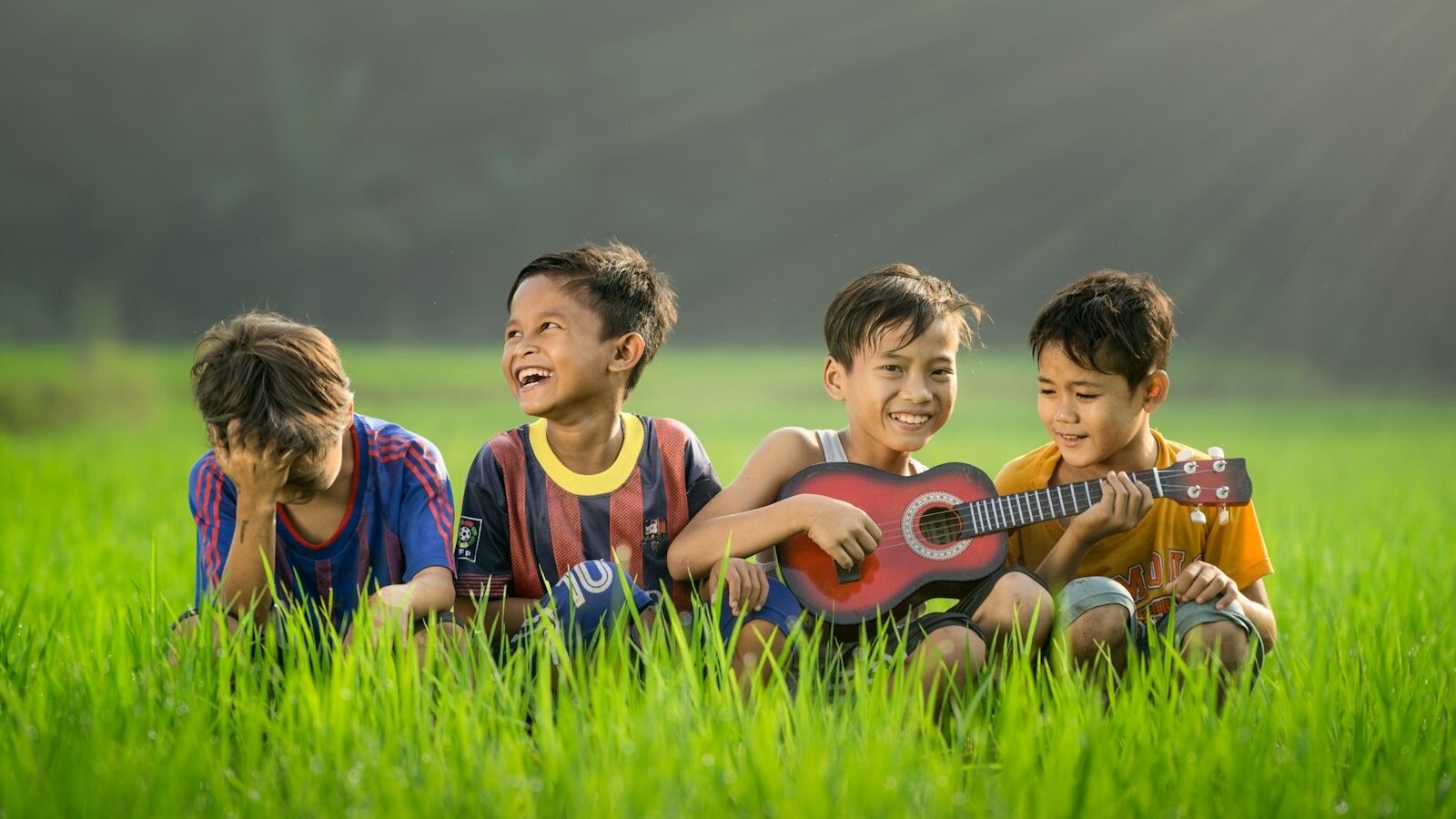
Bringing kids and music together is one of the simplest joys of family life, and you do not need to be musical yourself to do it well. Long before a child can read or count, they can clap a beat, hum a tune and light up when a favourite song comes on. That natural response is the perfect starting point. This guide is for Singapore parents who want to nurture a love of music at home, whether you are humming with a toddler in an HDB flat or thinking about lessons for a primary schooler. There is no rush, no right age and no expensive kit required to begin.
Why Music Matters for Growing Children
Music is far more than a nice hobby. When children sing, move and play along, they are quietly building skills that reach well beyond the living room. Keeping a steady beat helps with counting and timing. Learning the words to songs stretches vocabulary and memory. Playing in a group, even a family sing-along, teaches listening, patience and taking turns. Above all, music gives children a healthy way to express feelings they may not yet have words for.
Just as importantly, music is fun and social. Singing together at home, joining in at a school concert or bopping to a tune in the car creates warm shared memories. Those happy associations are what make a child want to come back to music again and again, which matters far more in the early years than any formal progress. Keep it light, keep it playful, and let enjoyment lead.
Getting Started at Home Without Spending Much
The best first steps cost nothing. Your voice is the most powerful musical instrument in the house, and children love hearing a parent sing however wobbly the tune. Build music into everyday moments so it feels normal rather than like a lesson.
- Sing every day. Nursery rhymes, local favourites, film songs or made-up ditties about brushing teeth all count.
- Make simple instruments. A pot and a wooden spoon, dried beans in a sealed bottle, or an empty tissue box with rubber bands give a child something to shake, tap and strum.
- Play a wide mix of music. Offer different styles, from nursery songs to jazz, gamelan, Mandarin pop and classical, so young ears hear variety.
- Move to the beat. Dance, march, clap and stamp together. Feeling rhythm in the body comes long before playing it on an instrument.
- Listen closely. Point out sounds around Singapore, from birdsong and rain on the window to the chime of the MRT doors, and talk about high, low, fast and slow.
Keep sessions short and driven by your child’s mood. Five joyful minutes beats a forced half hour. If they wander off, that is fine; the seed is still planted.
Choosing the Right Age and First Instrument
Parents often ask when to start. The honest answer is that informal music can begin from birth, while formal lessons are best left until a child shows steady interest and can focus for a short stretch, often around ages five to seven. Starting too early with strict lessons can drain the fun, so let curiosity set the pace.
When your child is ready to try a real instrument, pick something suited to their size, age and the space you have at home. The table below compares popular beginner choices for Singapore families living in flats.
| Instrument | Why it suits beginners | Points to consider at home |
|---|---|---|
| Voice and singing | Free, portable, builds the ear early | Needs no gear, just encouragement |
| Ukulele | Small hands cope well, soft volume | Gentle on neighbours, easy first chords |
| Keyboard or digital piano | Clear layout, headphones for quiet play | Choose one with a headphone socket for HDB living |
| Percussion and hand drums | Instant fun, great for rhythm | Can be loud, so agree on quiet hours |
Whatever you choose, borrow or buy something affordable to start. Children’s interests change quickly, and there is no need to invest in a premium instrument until you know the hobby has taken root. Buy generically from a local music shop and ask staff for a sturdy, budget-friendly beginner option.
Lessons, Schools and the Singapore Music Scene
At some point you may consider formal teaching. In Singapore you have plenty of routes, from group classes at community centres and music schools to private one-to-one lessons at home. Group classes tend to be cheaper and more social, which suits young children who thrive on playing alongside others. Private lessons offer focused attention and usually come later, once a child is committed. Many families also follow graded exam boards, though exams are optional and should never become the whole point of playing.
A few practical pointers help you choose well:
- Prioritise the teacher, not the trophy. A warm, patient teacher who keeps things fun will do more for a young learner than a strict focus on grades.
- Watch or join a trial class. See how your child responds before committing to a term.
- Mind the budget honestly. Factor in the instrument, lessons, books and exam fees, and remember school and community options are often gentler on the wallet.
- Keep home practice playful. Short, daily, low-pressure practice works best; celebrate effort rather than perfection.
Beyond lessons, let your child see live music. Free performances at libraries, community events, the Esplanade’s open spaces and school concerts show that music is a living, joyful thing and not just homework. Watching real musicians can spark more motivation than any worksheet.
Keeping the Joy Alive as They Grow
The biggest challenge is not starting but keeping music going once the novelty fades. Almost every young learner hits patches where practice feels dull or progress stalls, and that is completely normal. Your job is to be a cheerleader, not a drill sergeant. Praise the effort, sit with them sometimes, and let them play music they actually enjoy alongside any set pieces.
Give children a reason to play for others too. A tiny living-room concert for grandparents, a video call performance for relatives overseas or joining a school group turns practice into something with a purpose. If your child eventually wants to switch instruments or take a break, try not to panic; a rest can rekindle interest, and skills rarely vanish completely.
Above all, protect the fun. A child who grows up feeling that music is a source of joy rather than pressure is far more likely to keep singing, strumming and listening for life. That lifelong relationship, not a shelf of certificates, is the real gift you are giving when you introduce your kids to music.
Explore more
Music does wonderful things for the whole family, so read music and wellbeing for more on how it lifts mood at home. To explore the local scene together, see the live music scene in Singapore. Older kids curious about pop might enjoy getting into K-pop and C-pop in Singapore, while a gentle listen through getting into classical music: a beginner’s guide broadens young ears. To help homework time, see music for focus and studying.