
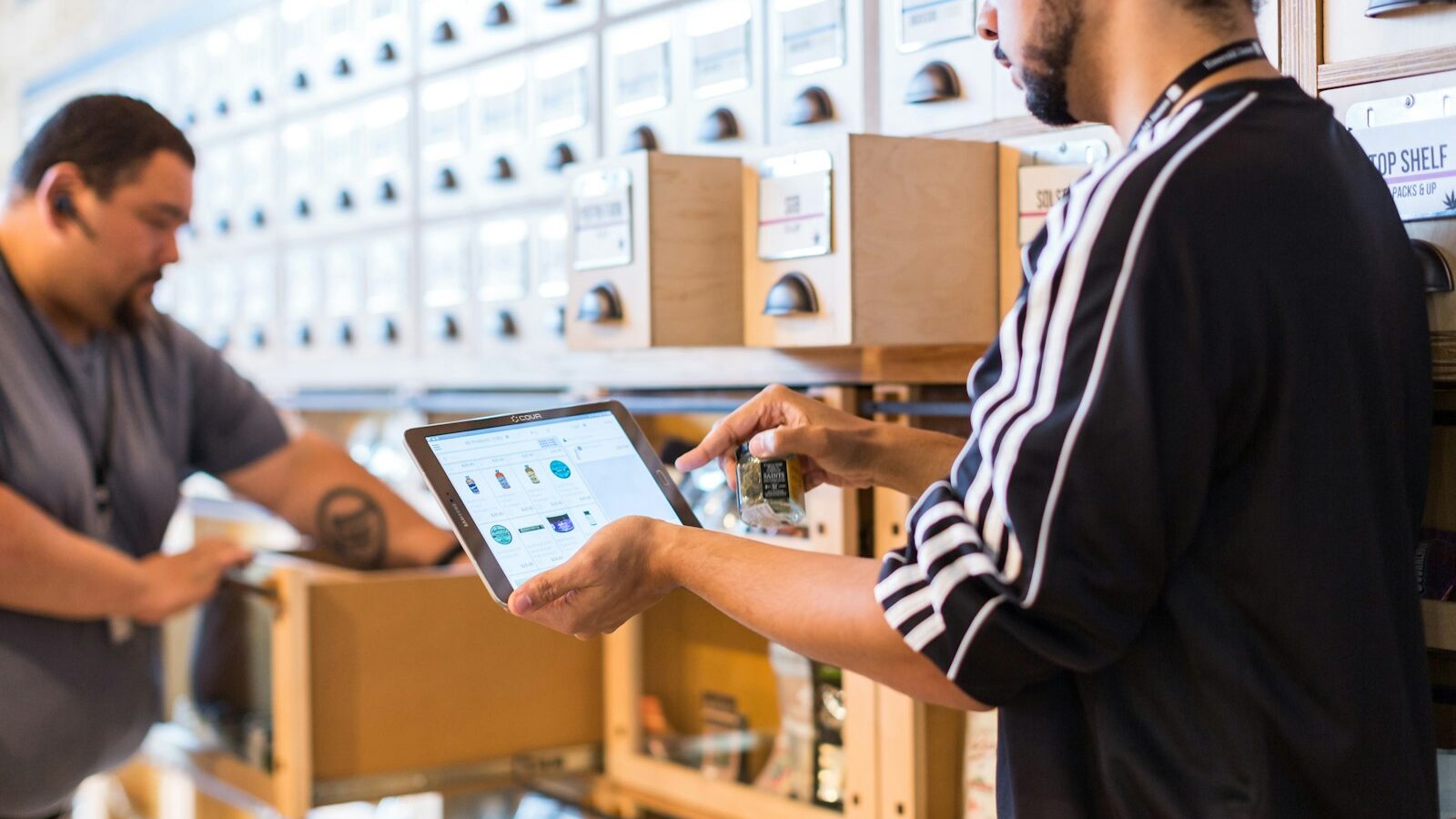
Good inventory management in Singapore is the quiet difference between a shop that runs smoothly and one that always seems to be either out of its bestseller or drowning in stock nobody wants. For a small business, the stock sitting on your shelves is cash you have already spent. Manage it well and that cash keeps moving; manage it badly and it gets stuck in slow-moving boxes, tied up in a storeroom you are paying rent for. This guide walks through the practical basics, the local realities, and the tools SMEs here actually use.
Why Inventory Management Matters for Small Businesses
At its heart, inventory management is about knowing what you have, where it is, and when to buy more. That sounds simple until you are juggling a retail counter, an online store, and a supplier who needs a week of lead time. Get it wrong and you feel it in two directions. Stockouts mean lost sales and a customer who quietly buys from a competitor. Overstocking means cash locked up, storage costs, and the risk of goods expiring or going out of season.
For Singapore SMEs the pressure is sharper because space is expensive. Every square foot of storeroom or rented warehouse is a real cost, so carrying less stock while still meeting demand is genuinely valuable. There is also GST to consider: if your business is GST-registered, accurate stock records feed directly into clean accounting, and you should confirm your obligations with IRAS or a qualified accountant rather than guessing.
Beyond the money, tidy inventory data gives you a clearer picture of your business. You start to see which products sell, which sit, and which seasons move fastest. That turns buying from a gut feeling into a decision backed by numbers.
Core Methods and Terms Worth Knowing
You do not need a logistics degree, but a handful of concepts will make everything else easier to follow.
- SKU (stock keeping unit): a unique code for each product variant, for example a shirt in a specific colour and size. Clean SKUs are the foundation of every system that follows.
- Reorder point: the stock level at which you place a new order, set so that new stock arrives before you run out, accounting for supplier lead time.
- Safety stock: a small buffer you keep to absorb unexpected demand or supplier delays.
- Lead time: how long a supplier takes to deliver after you order. Longer lead times mean you reorder earlier.
- Stock take: a physical count to reconcile what your records say against what is actually on the shelf.
Two broader approaches are worth naming. Just in time keeps stock lean and orders close to when you need it, which frees up cash but leaves less room for error. Just in case keeps larger buffers, which is safer for unpredictable demand but ties up more money. Most SMEs land somewhere in between, holding tighter buffers on fast movers and thinner ones on slow items.
A useful lens is ABC analysis: sort products into A (few items, most of your revenue), B (moderate), and C (many items, little revenue). Watch your A items closely and manage the long tail with lighter effort.
Choosing an Inventory System
Most businesses start on a spreadsheet, and for a very small operation that is fine. The problem comes when you sell across several channels or add staff, because a spreadsheet does not update itself and errors creep in. That is when dedicated software earns its keep by tracking stock in real time, syncing across sales channels, and flagging when to reorder.
The table below compares common approaches. Treat it as a starting point only: features and pricing change often, so check the vendor’s current details before deciding.
| Approach | Best for | Strengths | Watch-outs |
|---|---|---|---|
| Spreadsheet (Excel or Sheets) | Very small or single-channel businesses | Free or low cost, flexible, familiar | Manual updates, error-prone, no real-time sync |
| POS with built-in stock tracking | Retail and F&B counters | Deducts stock as you sell, all-in-one | May be basic for multi-location needs |
| Dedicated inventory software | Multi-channel or growing SMEs | Real-time sync, reorder alerts, reporting | Ongoing subscription, setup effort |
| Integrated with accounting software | SMEs wanting clean books | Stock and finances in one flow | Requires tidy data discipline |
When comparing tools, look for real-time updates, multi-channel sync if you sell on Shopee, Lazada or your own Shopify store, low-stock alerts, and reporting you will actually read. Many local accounting and inventory tools integrate with each other, so check that your chosen system talks to the software you already run.
Enterprise Singapore’s Productivity Solutions Grant (PSG) has at various times supported certain pre-approved inventory and business management solutions. The supported list and support levels change, so check the current pre-approved solutions on the Business Grants Portal or GoBusiness before assuming a tool qualifies.
Everyday Habits That Keep Stock Under Control
Software helps, but discipline is what actually prevents problems. A few routines go a long way.
- Receive stock properly. Count goods against the delivery order the moment they arrive, and log them before they go on the shelf. Errors caught here save hours later.
- Do regular cycle counts. Instead of one exhausting annual stock take, count a small section of items each week or month. It keeps records accurate without shutting the shop.
- Set clear reorder points. Review them each season, since demand and lead times shift.
- Track expiry and batches. For food, cosmetics or anything perishable, use first in first out so older stock sells before it expires. F&B sellers should also follow Singapore Food Agency requirements for their category.
- Review slow movers. Every quarter, spot the items gathering dust and clear them with a promotion rather than letting them tie up cash and space.
Keep your supplier relationships close too, because reliable lead times make every calculation above more trustworthy. If a supplier is often late, either build in more safety stock or find an alternative.
Common Mistakes and How to Avoid Them
The most frequent trap is buying on optimism. It is tempting to order big for a bulk discount, but a discount you cannot sell through is not a saving. Match orders to realistic demand, using your own sales history as the guide.
Another is neglecting to reconcile. If your system says 40 units and the shelf holds 32, every downstream decision is built on a wrong number. Regular counts fix the drift. A third is treating all products the same; your ABC groups deserve different levels of attention. Finally, avoid running everything in one person’s head. Write down your process so a new hire, or you on a busy day, can follow it without guesswork.
Start simple, stay consistent, and upgrade your tools as the business grows rather than before you need them. The goal is not a perfect system but a reliable one that frees your cash and your attention for selling.
Explore more
If you are setting up the wider back office, our guide to accounting software for SMEs in Singapore pairs naturally with stock tracking so your books stay clean. Stronger supplier relationships also make reorder planning easier, so read managing suppliers and vendors in Singapore. And if you sell across counters and online, tidy up how you take money with our guide to accepting digital payments as a merchant.