
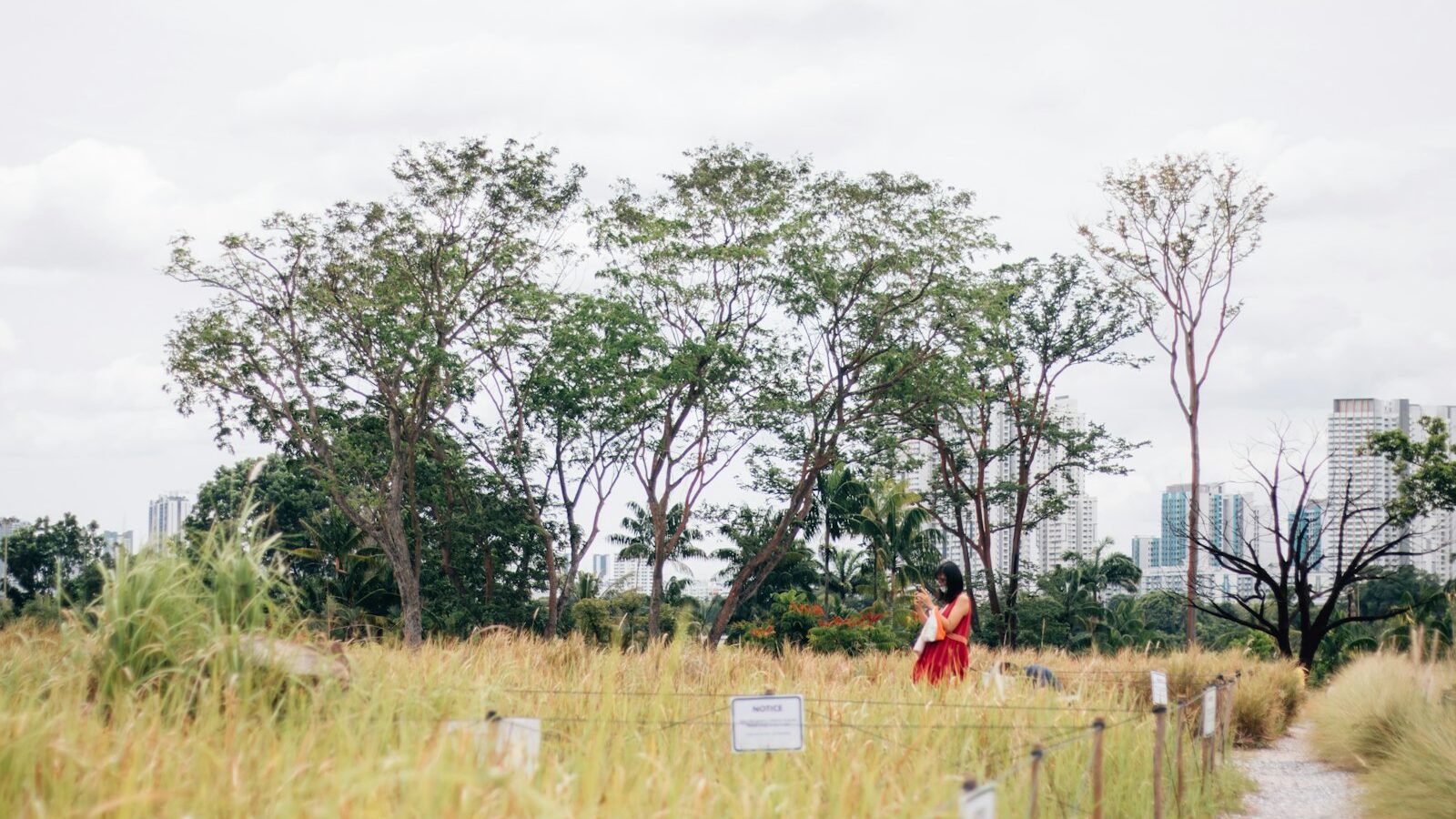
A beautiful lakeside park in the west of Singapore, Jurong Lake Gardens offers gardens, greenery and family-friendly spaces to enjoy. This guide covers what to expect, the highlights, tips for your visit, and who it suits.
What to expect
Jurong Lake Gardens is a beautiful national garden and park in the west of Singapore, set around a scenic lake and offering lush gardens, greenery, waterside scenery and family-friendly spaces. Designed as a people’s garden, it blends nature, recreation and community, with landscaped gardens, natural habitats, walking paths, play areas and open spaces to enjoy. It offers a relaxed, scenic setting for walks, family outings, nature appreciation and unwinding by the lake, serving as a green retreat and community space for the western region and beyond. Understanding what to expect, a beautiful lakeside national garden blending nature, recreation and family-friendly spaces, helps you approach a visit ready to enjoy the gardens, greenery, waterside scenery and relaxed atmosphere that make Jurong Lake Gardens a lovely green retreat and outing destination.
The gardens and highlights
| Element | What it offers |
|---|---|
| Landscaped gardens | Lush, beautiful greenery |
| Lakeside scenery | Scenic water and waterside paths |
| Family spaces | Play areas and open spaces |
| Nature and habitats | Natural areas and biodiversity |
Jurong Lake Gardens offers a range of highlights. Its landscaped gardens provide lush, beautiful greenery and scenic spots to admire and stroll through, showcasing horticulture and design. The lakeside setting is central, with scenic water views and waterside paths offering a peaceful, picturesque atmosphere. Family-friendly spaces, including play areas and open lawns, make it a great outing for families with children. Natural areas and habitats within the gardens support biodiversity and offer nature appreciation. Together, these highlights blend beauty, recreation and nature in a lakeside setting. Understanding the gardens and highlights helps you appreciate the variety Jurong Lake Gardens offers, from landscaped greenery and scenic lakeside paths to family spaces and natural habitats, so you can plan to enjoy the aspects that most appeal to you, whether gardens, scenery, family fun or nature.
Tips for your visit
To make the most of a visit to Jurong Lake Gardens, some preparation helps. Consider visiting during cooler hours, such as morning or late afternoon, for a more comfortable and scenic experience, especially given the open, outdoor setting. Wear comfortable clothing and footwear for walking, bring water, sun protection and insect repellent, and be prepared for heat, sun and possible rain. Allow time to explore the gardens, lakeside paths and any areas of interest at a relaxed pace, and consider what suits your group, such as family spaces if visiting with children. Be respectful of nature and follow any park guidelines. Understanding these tips helps you enjoy a comfortable, rewarding visit, timing it well, coming prepared for the weather, and taking time to explore the gardens and lakeside scenery, so you make the most of this beautiful lakeside park.
Who it suits
Jurong Lake Gardens suits a wide range of visitors seeking a relaxed, scenic outing in nature. Families with children can enjoy the family-friendly spaces, play areas and open lawns, making it a great family outing. Nature lovers can appreciate the gardens, greenery, lakeside scenery and natural habitats. Those seeking a peaceful walk, relaxation or a green retreat will enjoy the scenic, tranquil setting. Couples, friends and individuals can enjoy a relaxed, scenic outing. It is especially convenient for those in the western region but rewarding for visitors from further afield too. Understanding who it suits, essentially families, nature lovers and those seeking a relaxed, scenic outing, helps you decide if it fits your group and plans, whether for family fun, nature appreciation, a peaceful walk, or a green retreat by the lake.
Making the most of it
To make the most of a visit to Jurong Lake Gardens, take your time to enjoy its blend of gardens, lakeside scenery and recreational spaces. Stroll the gardens and waterside paths, relax by the lake, and let children enjoy the family-friendly spaces if visiting with family. Appreciate the greenery, scenery and any natural habitats, and enjoy the peaceful, community-oriented atmosphere. Visiting during cooler hours enhances comfort and enjoyment. Consider combining your visit with a relaxed, unhurried pace to truly unwind in the green surroundings. Understanding how to make the most of it helps you enjoy the gardens as intended, as a relaxed, scenic green retreat, so you come away refreshed by the lakeside beauty, greenery and family-friendly recreation that make Jurong Lake Gardens a lovely destination for a range of visitors.
The takeaway
Jurong Lake Gardens is a beautiful lakeside national garden in the west of Singapore, blending lush landscaped gardens, scenic lakeside greenery, family-friendly spaces and natural habitats into a relaxed, people-oriented green retreat. It suits families seeking play spaces and open lawns, nature lovers appreciating the gardens and scenery, and anyone wanting a peaceful, scenic walk or a green escape by the lake. A little planning, visiting in cooler hours, coming prepared for the weather, and taking time to explore the gardens and waterside paths, helps you make the most of it. Whether for family fun, nature appreciation or relaxation, Jurong Lake Gardens offers a lovely, scenic and refreshing outing. For current details and any facilities, check official information before you go.
Getting there and accessibility
One practical detail this guide has not yet covered is how to reach Jurong Lake Gardens, and it is worth thinking through before you set off. The gardens sit in the west of Singapore and are well served by public transport, with the East-West MRT line running through the area, so many visitors find it easy to arrive by train and continue on foot. If you prefer to drive, there are car park facilities in the vicinity, though these can fill up on weekends, public holidays and pleasant-weather evenings when crowds are larger. Because station names, bus routes, opening hours and car park availability can change, it is best to check the official NParks information and plan your route using an up-to-date transport app before you go.
Accessibility is another consideration for many groups. The gardens include paved paths and open, level spaces suited to relaxed strolling, which generally helps visitors with prams, young children or mobility needs. That said, some natural areas and waterside routes may be less even, so a little forward planning helps. If accessibility is important for your group, it is worth confirming the current facilities, accessible routes and any assistance options through official channels rather than assuming, as provisions are periodically updated.
Common mistakes to avoid
Even a straightforward outing can be spoiled by a few avoidable slips. Being aware of them means you arrive relaxed and leave the same way.
- Visiting in the midday heat: the open, outdoor setting offers limited shade in places, so the middle of the day can feel draining, especially with children in tow.
- Underestimating the size: the gardens are extensive, so allow more time than you might for a small neighbourhood park, and avoid rushing to cover everything in one go.
- Coming unprepared for weather: Singapore’s sudden showers and strong sun both catch visitors out, so pack for both rather than one.
- Not checking facilities first: details such as opening hours, toilets, water points and any seasonal closures can change, so confirm current information beforehand.
- Ignoring park guidelines: respecting nature, wildlife and posted rules keeps the space pleasant for everyone and protects the habitats that make it special.
Sidestepping these common pitfalls lets you focus on what the gardens do best, offering a calm, scenic and family-friendly green retreat in the west.
Explore more: The best parks in Singapore · The best picnic spots in Singapore · Fort Canning Park: a guide