
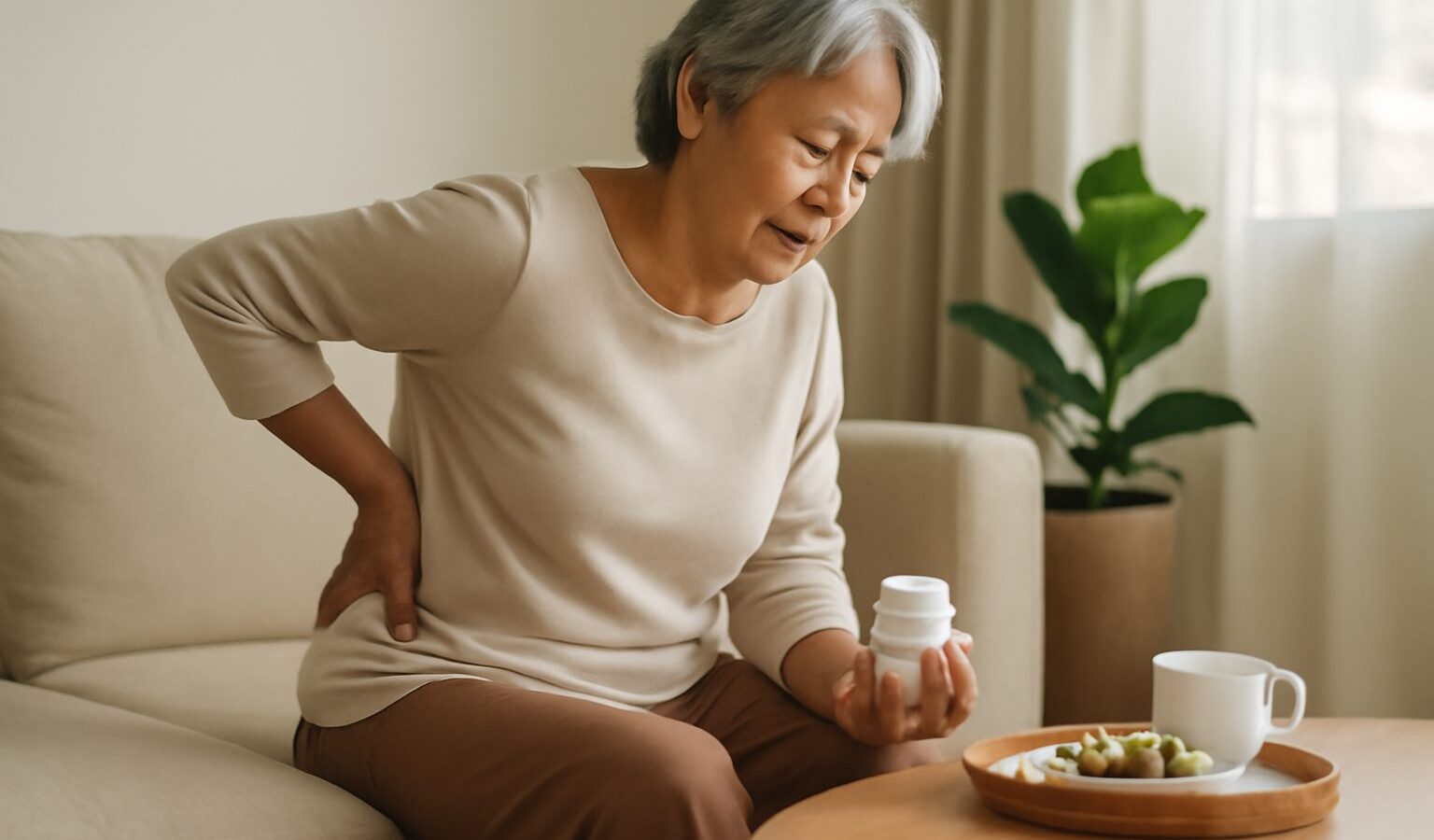
Persistent pain wears a person down slowly. It shrinks the world to the space between the sofa and the toilet, disturbs sleep, sours mood and makes an active retirement feel out of reach. Many older Singaporeans assume aches are simply the price of age and say nothing, yet managing chronic pain well can restore a great deal of comfort and independence. Chronic pain means pain that lasts beyond the normal healing time, often defined as three months or more. This guide offers general information, not medical advice or a diagnosis, and it is written for seniors living with pain and for the families supporting them.
What Chronic Pain Is and Why It Persists
Acute pain is the body’s alarm, sharp and short, warning of injury. Chronic pain is different: the alarm keeps ringing long after any wound has healed, because the nervous system has become sensitised and keeps sending pain signals. This is why chronic pain is real even when a scan looks unremarkable, and why simply searching for more damage often disappoints. Understanding this helps a person stop chasing a single cure and start managing pain as an ongoing condition, much like managing blood pressure.
In older age the usual sources include worn joints, back and neck problems, nerve pain after shingles or from diabetes, and pain following an old injury or surgery. Pain also feeds on itself: it disturbs sleep and lowers mood, and poor sleep and low mood in turn amplify pain. Breaking that loop from several angles at once, rather than relying on one medicine, is the heart of good pain management.
Building a Pain Management Plan
The most effective plans are broad. They combine movement, mind, daily pacing and, where appropriate, medicine reviewed by a professional. A doctor, physiotherapist or a hospital pain service can help put this together.
- Keep moving, gently. Rest feels tempting, but prolonged inactivity stiffens joints, weakens muscles and usually worsens pain over time. Gentle, regular movement such as walking, swimming, tai chi or physiotherapy exercises is one of the most reliable ways to ease persistent pain. A physiotherapist can tailor a programme to your body.
- Pace your days. Instead of overdoing things on a good day and paying for it afterwards, break activities into manageable chunks with rest between. This steadier approach gets more done with less flare-up.
- Mind and mood. Because stress and low mood turn up the volume on pain, relaxation, breathing, mindfulness and staying socially connected genuinely help. If low mood or anxiety has taken hold, tell your doctor; treating it often eases the pain too.
- Heat, cold and support. Simple measures like a warm pack, a cold pack, supportive footwear or a walking aid can take the edge off and are worth trying.
Medicines: Use Them Wisely and Under Review
Medicines have a place, but in older adults they need care. As people age, the body handles drugs differently, side effects are more likely, and the risk of one medicine clashing with another rises, especially for someone already taking several. For that reason this guide gives no specific drug names or doses.
The safe principles are simple. Take pain medicine exactly as prescribed. Never start, stop or change a dose on your own, and do not top up a prescription with painkillers bought over the counter without checking, since some combinations are unsafe. If a medicine is not helping or is causing side effects such as drowsiness, constipation, confusion or an upset stomach, do not just soldier on or quietly stop; book a review. Ask your doctor or pharmacist for a regular medication review to check everything still makes sense together, a concern explained further in our guide to polypharmacy in older age. Managing side effects matters too; constipation from certain painkillers is common enough that it is worth reading about digestive health and constipation in seniors.
Comparing Common Approaches to Persistent Pain
No single approach suits everyone, and most people do best with a mix. The table sets out what each broad option offers and its main limitation.
| Approach | What it offers | Keep in mind |
|---|---|---|
| Gentle exercise and physiotherapy | Builds strength, eases stiffness, lasting benefit | Needs consistency and professional guidance |
| Pacing and activity planning | Fewer flare-ups, more done overall | Requires patience and honest self-monitoring |
| Relaxation and mood support | Turns down pain sensitivity, lifts wellbeing | Works alongside, not instead of, other steps |
| Heat, cold and aids | Cheap, simple, immediate relief | Effect is usually short-lived |
| Medicines (doctor-directed) | Can reduce pain enough to stay active | Side effects and interactions; needs review |
Support in Singapore and When to Seek It
You do not have to manage alone. Start with a polyclinic or family doctor, who can assess the pain, arrange physiotherapy and refer to a hospital pain clinic or specialist if the pain is complex or not settling. Occupational therapists can suggest home aids and easier ways to do daily tasks. For older adults whose pain sits alongside frailty, falls or several conditions at once, a broader review through understanding a geriatric assessment can help join up the care.
See a doctor promptly if pain is new, severe or rapidly worsening, if it follows a fall, or if it comes with fever, unexplained weight loss, numbness, weakness or loss of bladder or bowel control. Chest pain, sudden severe pain, or pain with breathlessness is an emergency: go to A&E or call 995 without delay. Pain that follows an injury may also need the structured recovery covered in recovering from a fall or fracture, where rushing rehabilitation does more harm than good.
Living well with chronic pain is rarely about eliminating every ache. It is about turning the volume down, staying active within sensible limits and keeping the life you value. With a broad plan, professional support and medicines used carefully and reviewed regularly, most older people can reclaim comfort and confidence they thought were gone for good.