
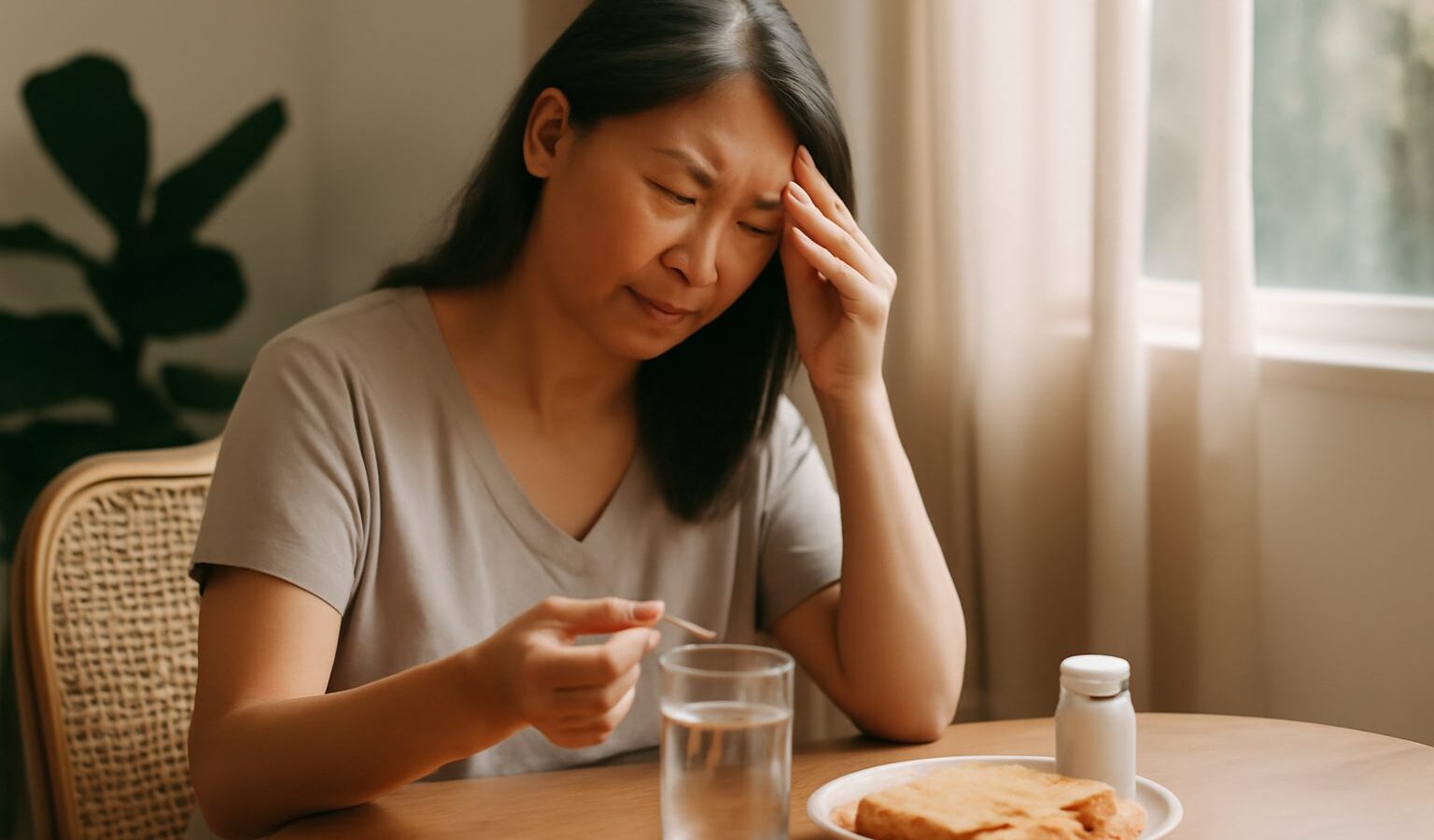
Menopause is a natural stage of life, not an illness, yet it can bring changes that catch many women by surprise. Understanding what is happening, and knowing which measures genuinely help, makes this transition far easier to navigate. This guide to menopause singapore covers the basics in plain language: what menopause is, what people commonly experience, sensible lifestyle measures, and the bone and heart considerations that matter in midlife. It is general information only, not medical advice, so please use it to prepare for a good conversation with your own doctor rather than as a treatment plan.
Midlife is also a natural moment to take stock of your overall health. The habits you build now shape how you feel for decades, and Singapore’s system, from GPs and polyclinics to HealthHub and Healthier SG, gives you plenty of support if you choose to use it.
What Menopause Actually Is
Menopause is the point when menstrual periods have stopped for good, marking the natural end of the reproductive years. It is confirmed after periods have been absent for a continuous stretch of time, and it happens because the ovaries gradually produce less of the hormones that drive the menstrual cycle.
The years leading up to it are often called perimenopause. During this run-up, hormone levels fluctuate, periods can become irregular, and many of the experiences people associate with menopause actually begin. Every woman’s timeline and experience is different, so there is no single “normal”. If your periods change or stop and you are unsure what is going on, a doctor can help make sense of it, especially since other conditions can also affect your cycle.
Common Experiences and How People Cope
The experiences linked with menopause vary widely. Some women barely notice the transition, while others find it disruptive for a while. Commonly described experiences include:
- Hot flushes and night sweats.
- Disturbed sleep and daytime tiredness.
- Changes in mood, irritability, or feeling more anxious.
- Difficulty concentrating or a sense of mental fog.
- Vaginal dryness or discomfort.
- Changes in periods during perimenopause.
None of these are “in your head”, and none are something you simply have to endure in silence. Many people find that simple adjustments ease the load: dressing in layers, keeping bedrooms cool, cutting back on triggers like very hot drinks or alcohol if they seem to worsen flushes, and protecting sleep with a steady wind-down routine. If symptoms are affecting your quality of life, that is a good reason to see a doctor, who can talk you through the options.
Lifestyle Measures That Support Midlife Health
Whatever your symptoms, general healthy habits tend to help both how you feel now and your long-term health. These are the same sensible measures that support health at any age, and they matter even more in midlife.
- Move regularly, mixing aerobic activity with strength and weight-bearing exercise, which supports bones, muscle, mood, and sleep.
- Eat a balanced diet with enough protein, calcium-rich foods, fruit, vegetables, and wholegrains.
- Keep alcohol moderate and avoid smoking, both of which affect bone and heart health.
- Protect sleep and manage stress with routines that work for you.
- Stay socially connected, which supports emotional wellbeing through a period of change.
None of this requires a dramatic overhaul. Small, consistent changes usually beat short bursts of intensity, and they are far easier to keep up.
Bone and Heart Health After Menopause
Two longer-term considerations deserve attention around menopause: bones and the heart. As hormone levels fall, bones can lose density more quickly, which over time can make them more fragile. The heart and blood vessels also warrant ongoing care in midlife, as risk factors like blood pressure, cholesterol, and blood sugar can shift with age.
The reassuring part is that the general measures above, regular exercise including strength work, a balanced diet, not smoking, and moderate alcohol, all support both bone and heart health. Routine check-ups also help, because things like blood pressure, cholesterol, blood sugar, and bone health can be monitored over time. Your doctor can advise which checks make sense for you and how often, based on your history rather than any general rule.
Treatment Options and When to See a Doctor
There are recognised medical options for managing menopause symptoms, and they can make a real difference for some women. What is right for you depends on your symptoms, your health history, and your own preferences, and it is a decision to make together with a doctor. This guide deliberately does not name specific medicines or doses, because that is exactly the kind of choice that needs a proper consultation rather than self-treatment. If symptoms are affecting your daily life, please do raise them; there is no need to simply put up with them.
The table below gives a general sense of who tends to help with what. It is a rough guide, not a rule.
| Where to go | Good for | Keep in mind |
|---|---|---|
| GP or family clinic | First conversation, general advice, referrals, ongoing care | A good starting point; consider Healthier SG enrolment |
| Polyclinic | Subsidised care, routine checks, chronic disease follow-up | Often busier; book ahead |
| Women’s clinic or O&G specialist | Menopause-focused care, gynaecological concerns | Usually higher cost; a referral can help |
| Restructured hospital | Specialist input for complex situations | Best reached via a referral |
See a doctor promptly, rather than waiting, if you notice any of these, treating it as a prompt to get checked rather than a diagnosis:
- Any bleeding after menopause, or unusual or very heavy bleeding beforehand.
- Symptoms that are severe or clearly affecting your quality of life.
- Low mood, anxiety, or burnout that lingers or worsens.
- Any new or worrying symptom, or one that does not settle.
If low mood or anxiety feels overwhelming, support is available through a GP, IMH, and helplines; please look up current helpline numbers on HealthHub or the Samaritans of Singapore site rather than relying on a quoted number. If you or someone you know is in severe distress or unsafe, seek help immediately.
This article is general information, not a diagnosis or treatment plan. For advice specific to you, please speak with a GP or the relevant specialist.
Explore more
Midlife is a natural time to review your overall health, and our health screening in Singapore guide explains the common checks. For everyday wellbeing during a period of change, our women’s health essentials guide covers the broader basics, and if mood or stress is weighing on you, see our mental health resources for Singapore.