
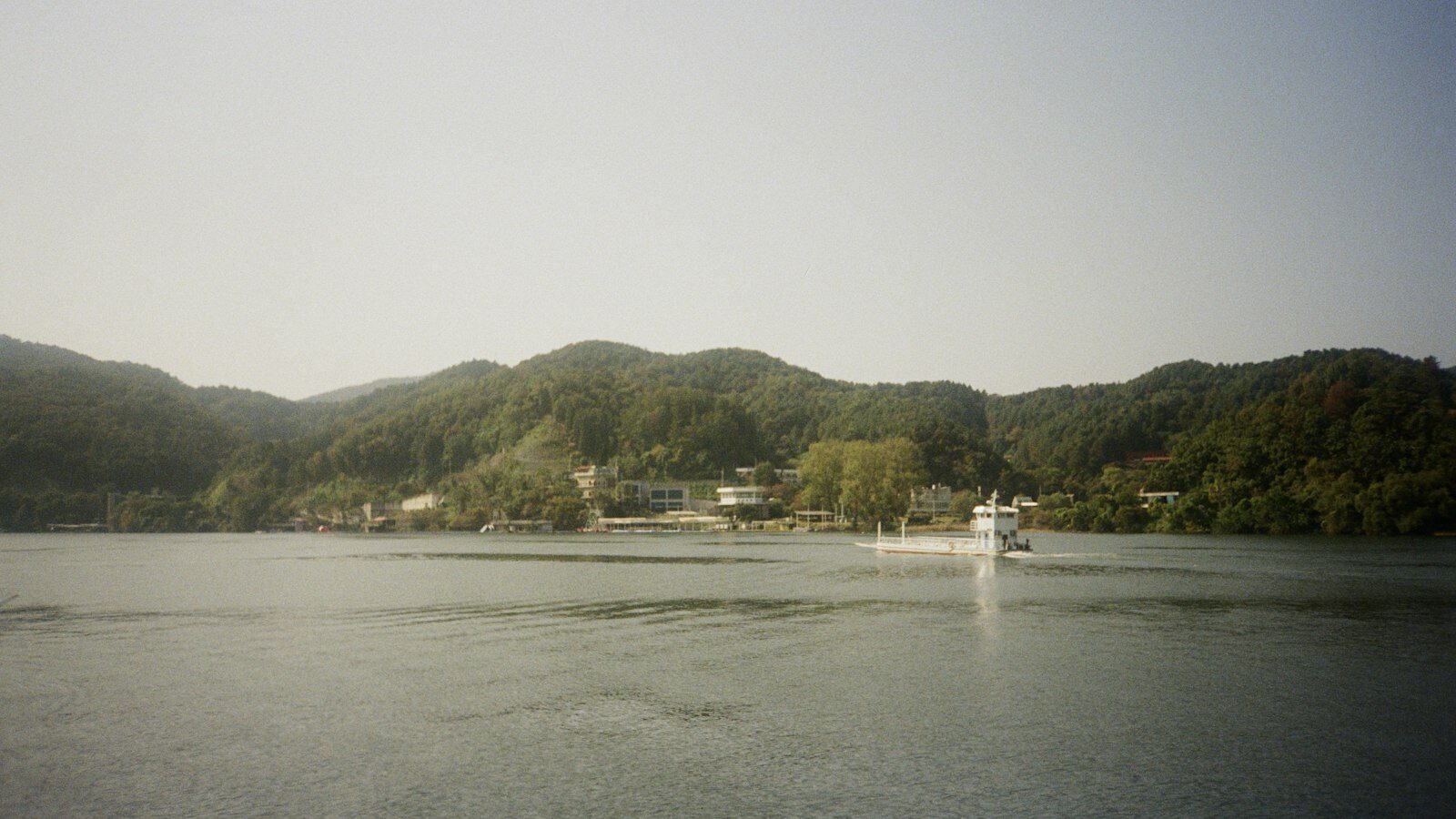
Planning a trip to Nami Island from Singapore usually means a scenic day out from Seoul, on a small crescent isle famous for its long, tree-lined avenues and calm river setting. This guide walks you through how to reach it, when to go and what to pair it with so you can slot it neatly into a wider Korea trip. It is a general overview only, so please confirm current visa rules, flight options and prices yourself before you commit, as these change often.
Getting there from Singapore
There is no way to fly directly to Nami Island, so your journey begins with a flight from Changi to Seoul, which takes roughly six to seven hours. From Seoul the island sits to the north east, near the towns of Gapyeong and Chuncheon in Gangwon and Gyeonggi provinces. Most Singapore travellers reach it in one of three ways.
The simplest is a guided day tour that bundles hotel pick up, transport and often a couple of nearby stops into one booking. If you prefer to go independently, you can take a train from Seoul towards Chuncheon and alight at Gapyeong, then continue by local bus, taxi or the sightseeing shuttle that loops the area’s main attractions. Drivers can also hire a car, though parking and unfamiliar roads make public transport or a tour the easier choice for a first visit.
Nami itself is a short ferry ride from the mainland wharf, and there is a novelty zipline that crosses the water for those who want a livelier arrival. Buy the entry ticket, which the locals playfully call a visa to the imaginary republic, at the wharf before boarding.
Best time to visit
Nami is a year round destination that changes character with the seasons, so the best time depends on the scenery you want.
Spring brings cherry blossom and fresh green, while summer is lush, humid and shaded by dense foliage. Autumn is the signature season, when the metasequoia and ginkgo avenues turn gold and red and the crowds swell to match. Winter is cold and can be snowy, giving the bare avenues a quiet, wintry charm made famous by a well known Korean drama filmed here.
Top things to see and do
The island is compact and best explored slowly on foot or by rented bicycle.
- Walk the tree lined avenues. The metasequoia and pine paths are the reason most people come, and they are photogenic in every season.
- Stroll the riverside. Gentle paths trace the water, with benches, small sculptures and quiet corners away from the main lanes.
- See the outdoor art and installations. Nami leans into its arts and crafts identity, with galleries, workshops and open air pieces dotted around.
- Ride a bike or the road train. Cycling is a relaxed way to cover the loop, while a small road train helps those who prefer not to walk far.
- Spot the resident wildlife. Squirrels, ducks and the occasional ostrich or deer roam parts of the grounds, which children tend to love.
How Nami compares with nearby Gapyeong stops
Nami is often combined with other attractions in the same region, so it helps to see how they differ before you plan your day.
| Stop | Character | Good for |
|---|---|---|
| Nami Island | Tree lined avenues and riverside calm | Scenery, gentle walks, photos |
| Petite France | French themed village on a hillside | Colourful buildings, families, drama fans |
| Garden of Morning Calm | Landscaped gardens with seasonal displays | Flowers, autumn foliage, winter lights |
| The Garden of Morning Calm plus Nami | A classic paired day tour | A full, varied day from Seoul |
Many day tours string two or three of these together, which is why booking a combined itinerary can save you the hassle of arranging each transfer yourself.
Where to stay
Most visitors treat Nami as a day trip and sleep in Seoul, which has the widest choice of accommodation across every budget and the best transport links back to the airport. Staying central near a major station keeps your morning departure simple.
If you would rather wake up beside the scenery, the Gapyeong and Chuncheon area has riverside stays, pensions and resort style lodging that let you enjoy the island early before the tour groups arrive. Families and couples looking for a slower pace often pick this option, then continue deeper into Gangwon province afterwards. Wherever you base yourself, choose by area and transport access first, then compare properties within that zone.
Practical tips
- Entry and visa. Confirm the latest entry requirements for Singapore passport holders with ICA and the relevant Korean embassy or official channels before you book, as rules and any electronic travel authorisation can change.
- Currency and payments. The currency is the Korean won, cards are widely accepted, and it is wise to carry some cash for buses, small stalls and the ferry.
- Getting around. Within the region, rely on the sightseeing shuttle, local buses, taxis and trains, and consider a transport or tour pass if you are visiting several stops.
- Rough budget band. Korea sits in the mid to higher range for Asian travel, with Seoul dining and transport costing more than Southeast Asia but less than Japan in many cases, so plan a comfortable daily allowance.
- Safety. Korea is generally very safe for visitors, though you should still watch your belongings in crowds and mind your footing on riverside and forest paths.
- Etiquette. Keep noise down in quiet spots, take your litter with you, and dress warmly and in layers outside the summer months.
Nami Island is an easy, rewarding addition to a Seoul itinerary, offering a soft, scenic contrast to the capital’s energy. Go with a flexible plan, check the season that suits you, and you will find it a gentle highlight of your Korea trip.
Explore more: Seoul from Singapore · Jeju from Singapore · Finding cheap flights from Singapore