
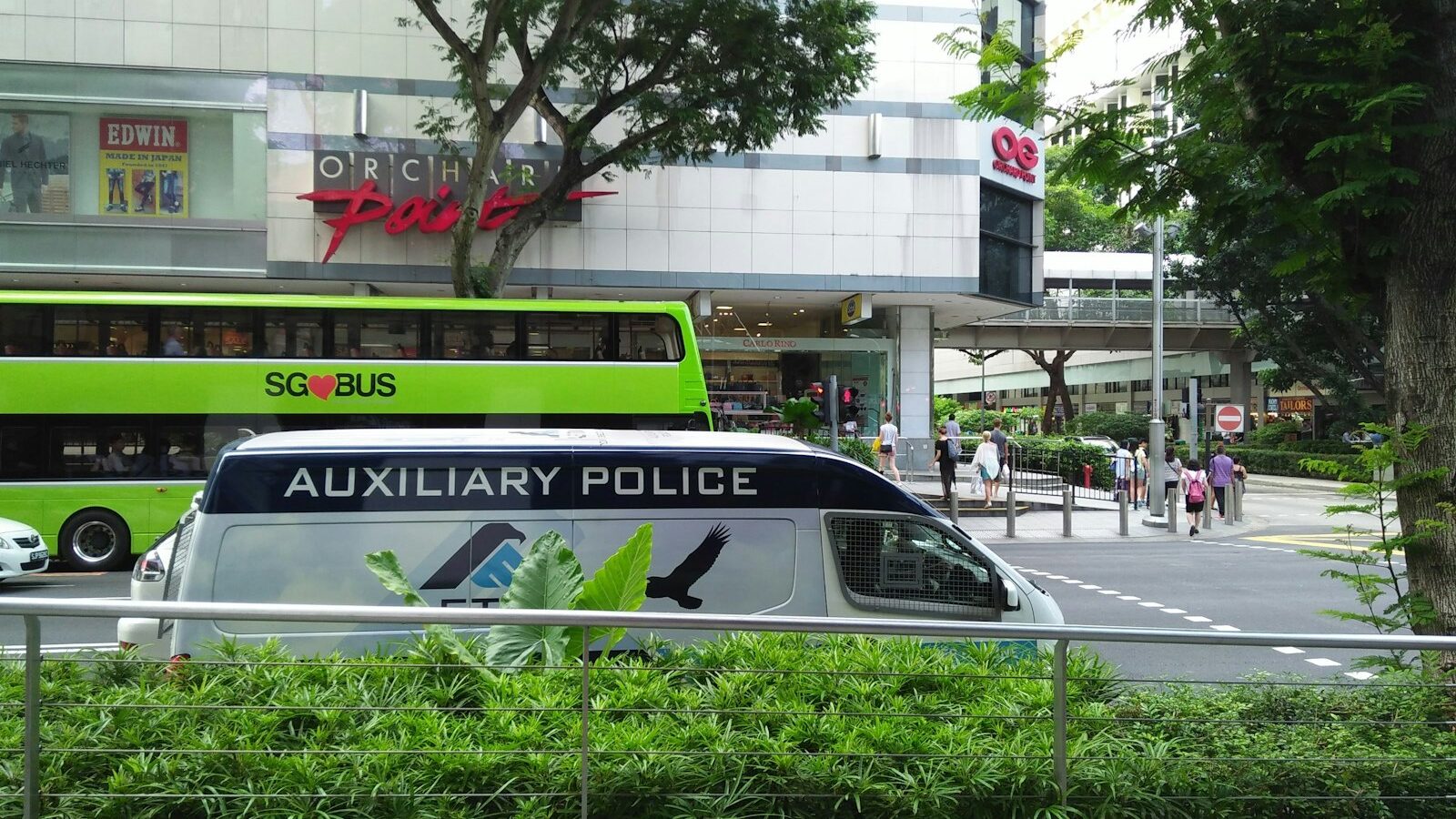
Everyday policing in Singapore is delivered close to where people live, through a network of local police units rather than only from a central headquarters. The most visible part of this system is the network of Neighbourhood Police Centres in Singapore, usually shortened to NPCs, supported by smaller posts and a philosophy of community policing. This guide explains how these units are organised, what they do, and how residents can reach the police, so that locals and newcomers understand how local safety works.
The Singapore Police Force (SPF) runs this structure, and it is designed so that officers are familiar with their neighbourhoods and accessible to residents. For current locations, contact details, and services, the SPF website is the authoritative source, since these details are updated from time to time.
How Everyday Policing Is Organised
The SPF organises policing across the island in layers. At the broadest level, the country is divided into land divisions, each responsible for a large area. Within each land division are Neighbourhood Police Centres, which serve the towns and estates in their zone. In many areas, smaller Neighbourhood Police Posts (NPPs) sit under an NPC to provide an even more local point of contact.
This layered design allows the police to combine reach with local familiarity. Land divisions coordinate resources across a wide area, NPCs handle the bulk of local policing, and NPPs bring services closer to residents in specific neighbourhoods. The result is that most people live within a manageable distance of a police contact point.
The philosophy behind this structure is community policing: the belief that safety is best achieved when police and residents work together. Officers aim to know their communities, and residents are encouraged to build a relationship with their local police, report concerns, and take part in crime prevention. This approach connects to wider national efforts that ask the public to stay alert and prepared.
What Neighbourhood Police Centres Do
Neighbourhood Police Centres are the workhorses of local policing. They handle a wide range of functions for the areas they serve, combining enforcement with prevention and community engagement. Their typical roles include the following.
- Responding to reports from residents about crimes, disputes, and other incidents in the neighbourhood.
- Investigating cases that fall within their area, from theft to disputes, and following up with the public.
- Patrolling and prevention to deter crime and maintain a visible, reassuring presence.
- Community engagement through outreach, crime prevention advice, and building trust with residents and businesses.
- Front counter services where members of the public can seek help or make reports in person during operating hours.
NPCs work closely with residents, grassroots groups, and businesses. Crime prevention is a shared effort, and much of an NPC’s value comes from local knowledge built up through everyday contact with the community.
Comparing the Local Policing Units
The different units can be confusing at first, so the table below summarises how they relate. Exact boundaries, locations, and services should be confirmed on the SPF website.
| Unit | Scale | Main role |
|---|---|---|
| Land Division | Large region of the island | Coordinates policing and resources across many neighbourhoods |
| Neighbourhood Police Centre (NPC) | A town or cluster of estates | Handles local reports, investigations, patrols and engagement |
| Neighbourhood Police Post (NPP) | A specific neighbourhood | Provides a closer, local point of contact under an NPC |
| Community partners | Individual estates and blocks | Residents and grassroots groups supporting crime prevention |
Together, these layers let the police scale their response, from a single neighbourhood concern up to a division wide operation, while keeping a local face that residents can recognise and approach.
How Residents Can Reach the Police
Knowing how to contact the police is part of everyday life. The stable and widely known emergency number is 999, which should be used when there is a threat to life or safety, a crime in progress, or an urgent situation. For non emergency matters, the SPF provides other channels, including an online reporting platform and a general enquiry line, as well as front counters at Neighbourhood Police Centres.
Because the specific hotlines, e-services, and counter operating hours can change, the SPF website is the correct place to check current contact options and locations. Many routine matters, such as lodging certain reports or making enquiries, can now be handled online, which the police encourage for convenience and to keep emergency lines free for genuine emergencies.
Residents can also take part in community policing more actively. This can include joining crime prevention or community watch initiatives where available, attending outreach sessions, and simply staying alert and reporting genuinely suspicious activity. As with national security messaging generally, the emphasis is on behaviour and circumstances, not on any person’s background.
Why Community Policing Matters
Community policing is built on a straightforward insight: the police cannot be everywhere at once, but residents are already present in their own neighbourhoods every day. When the public and the police share information and trust one another, crime is easier to prevent and problems are easier to solve. Neighbourhood Police Centres and posts are the physical and organisational expression of that partnership.
For residents and newcomers, the practical takeaways are simple. Know that 999 is for emergencies, use the SPF’s online and non emergency channels for routine matters, find out where your nearest NPC or NPP is, and consider getting involved in local crime prevention. Local policing works best when it is a two way relationship rather than a service that people only think about in a crisis.
This guide is general information. For current locations, contact details, services, and any specific procedures, always refer to the Singapore Police Force website and gov.sg, which hold the authoritative and up to date information.
Explore More
To see how the police fit within the wider security structure, read The Home Team Explained. For how public alertness supports safety, see SGSecure and Counter-Terrorism, and for the national resilience framework behind it all, read Total Defence and Its Pillars. Always confirm current details on the SPF website and gov.sg.