
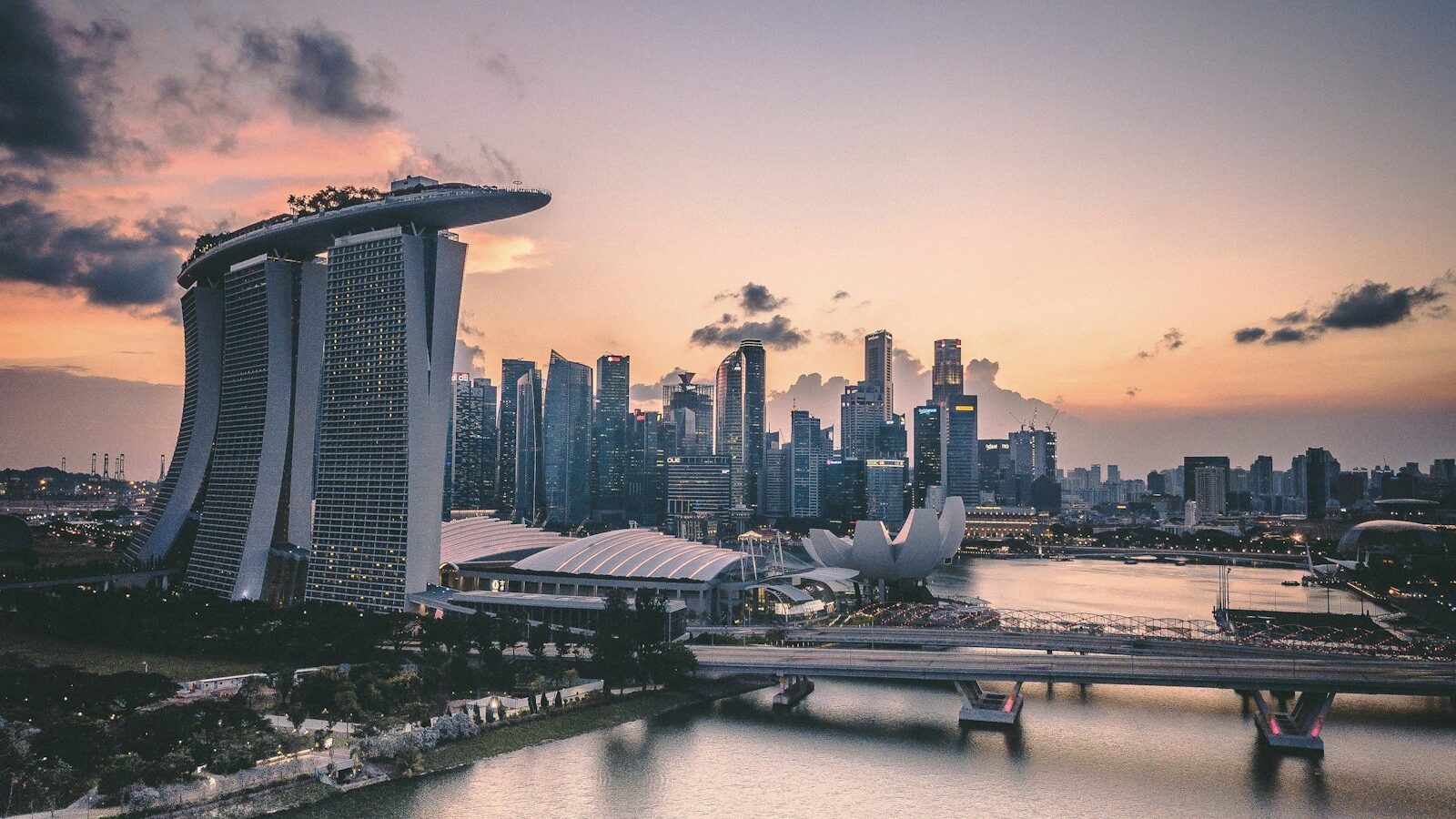
A staycation in Singapore is one of the easiest treats to organise: no airport, no visa, no long packing list, just a night or two at a hotel across town to reset. It is a favourite here precisely because the island is compact and full of distinct neighbourhoods, so a short hop can feel like a proper break. This guide covers how to choose an area, when to book, and how to get the most value and enjoyment from a local stay, whether you are travelling as a couple, a family or solo.
For newcomers from the mainland, the idea maps neatly onto a weekend city break at home, minus the travel time. The main things to learn are the local booking rhythms, which hotels suit which mood, and a few Singapore-specific practicalities.
What a Staycation Is and Why It Works Here
A staycation simply means holidaying without leaving town, usually by checking into a hotel or serviced apartment for a night or more. In Singapore it works especially well because the neighbourhoods are so varied. You can wake up to the skyline in the city, the sea breeze in the east, or greenery near the nature reserves, all within a short ride of home.
It suits a lot of situations: a couple wanting a quiet reset, a family looking for a pool and easy meals, or friends marking a birthday. Because you are close to home, you can pack light, pop back if you forget something, and shape the trip around a nap, a swim or a good dinner rather than a packed itinerary.
Choosing Your Area and Hotel
Start with the feeling you want, then match it to an area. Broad options include:
- City and Marina Bay: skyline views, big hotels, shopping and nightlife on your doorstep.
- Sentosa and the south: a resort mood, beaches and attractions for families.
- East Coast and Katong: sea breeze, cycling, and one of the island’s best food trails.
- Orchard: central, shopping-led, and well connected.
- Riverside and Chinatown or Clarke Quay: heritage streets, cafes and a lively evening scene.
Then weigh the practical features that make or break a stay: pool and gym, family rooms or connecting rooms, breakfast, late check-out, and proximity to an MRT station. Read recent guest reviews for the honest picture, since photos flatter. If a good pool is central to your plans, confirm its hours and any capacity rules, and remember the usual water-safety basics, especially with children, which we cover in our guide to using public swimming pools in Singapore.
When to Book and How to Find Value
Rates move with demand, so timing matters more than any coupon. A few general principles hold true here:
- Weekdays are usually calmer and cheaper than weekends for leisure hotels.
- Avoid peak dates such as school holidays, long weekends and major events if you want lower rates and quieter pools.
- Book direct or compare channels. Hotel websites sometimes match or beat aggregators and may add perks such as breakfast or credit.
- Watch for resident or member offers. Some hotels run local-resident promotions, and loyalty programmes can unlock late check-out.
Because prices and promotions change constantly, do not trust any specific rate you read online, including here. Check live prices on the hotel’s own site and reputable booking platforms at the time you book. If your staycation includes attractions, you can often bundle tickets, which our guide to booking attraction tickets with Klook in Singapore explains, and a reusable pass can pay off for frequent visits, covered in getting an attraction annual pass in Singapore.
Matching the Stay to Your Group
The best area depends far more on who you are travelling with than on price alone. Use this as a starting point, then check current rates.
| Traveller | Good-fit vibe | Look for | Watch out for |
|---|---|---|---|
| Couple | City views or a quiet boutique | Late check-out, good dining nearby | Family-heavy resorts at peak times |
| Family with kids | Resort or big pool hotel | Family rooms, kids’ pool, easy meals | Small plunge pools, no early check-in |
| Friends group | Lively riverside or central | Connecting rooms, nearby nightlife | Strict guest and noise rules |
| Solo reset | Boutique or wellness-leaning | Quiet floor, spa or gym | Isolated spots with few food options |
Sketch your ideal day first, then pick the area that makes that day effortless.
Common Mistakes and Practical Tips
A relaxing staycation is mostly about avoiding self-inflicted stress:
- Not reading the room policy. Check the maximum occupancy, extra-guest fees and the child and infant rules before booking, as these are strict at many hotels.
- Assuming early check-in. Standard check-in is usually mid-afternoon; ask in advance if you need an early room.
- Overpacking the schedule. The point is to slow down, so leave room to do nothing.
- Forgetting the essentials. Bring swimwear, chargers, any medication and a light layer for strong air-conditioning.
- Skipping the fine print on deals. A cheap package may be non-refundable or exclude breakfast.
Simple safety and comfort habits help too. Stay hydrated if you are out in the midday heat, keep an eye on children at the pool at all times, and follow the hotel’s posted rules and any lifeguard instructions.
Making It Feel Like a Real Break
The trick to a memorable local getaway is a light theme. Pick one anchor, such as a long swim, a dawn walk by the sea, a food crawl in Katong, or an unhurried spa afternoon, and let the rest be spontaneous. Turn off work notifications, treat the hotel breakfast as an event, and explore the immediate neighbourhood on foot so it feels like somewhere new rather than a room across town.
Because everything is close, you can also mix in a nearby outing without derailing the calm. A morning at an attraction, a matinee if the weather turns, or simply a good bookshop and a long coffee can round out the trip.
A staycation in Singapore is proof that a proper reset does not need a passport. Choose an area that fits your mood, book on a quieter date, read the room rules, and give yourself permission to slow down. That is the whole art of it, and it is very easy to master.