
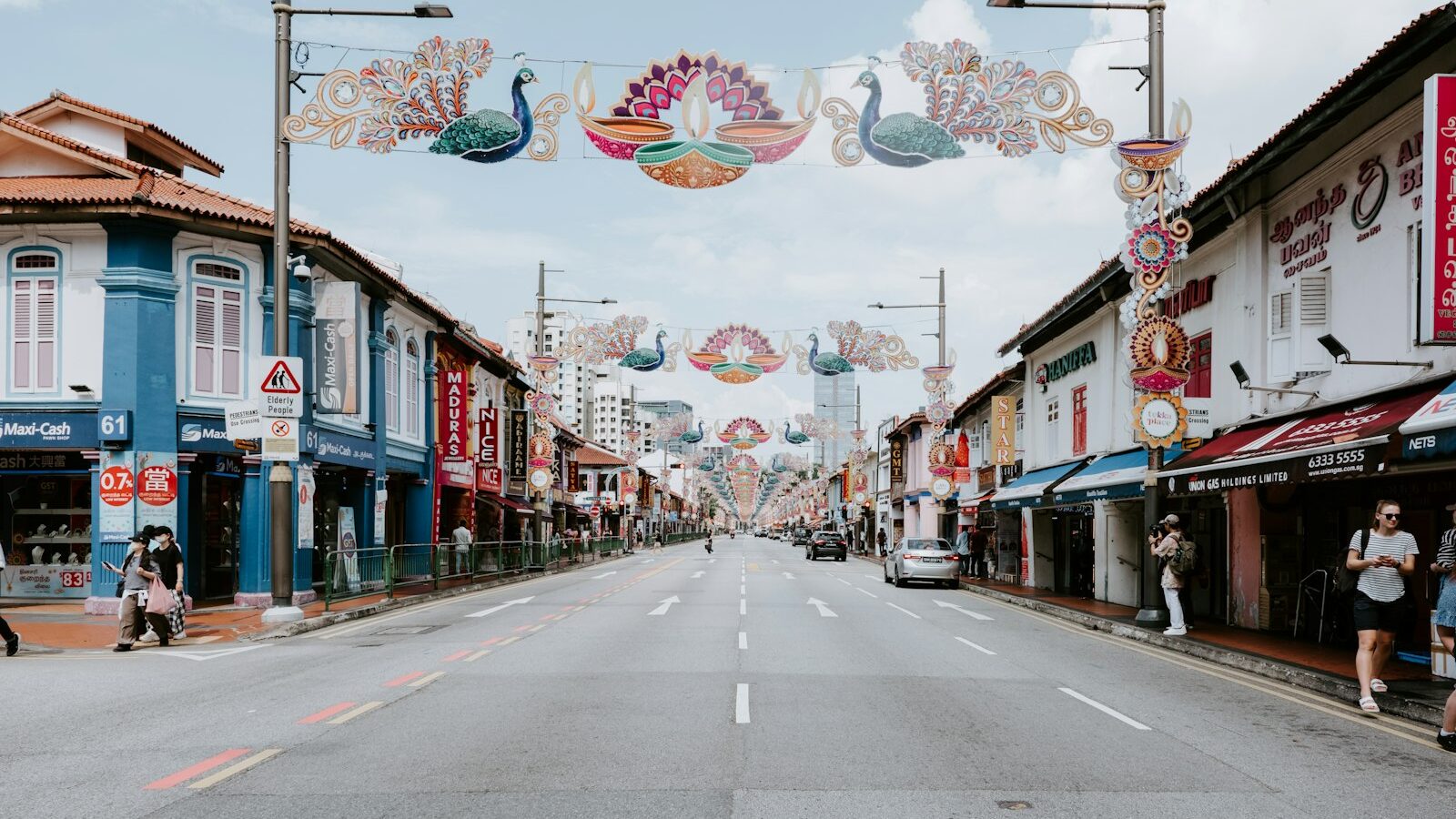
A legacy is not only about money and property. Some of the most precious things we leave behind are the stories, values, recipes, and small rituals that hold a family together. Planning family traditions legacy Singapore households can enjoy is really about deciding, on purpose, what you want to pass on while you are still here to share it. This is a warm and hopeful task, quite different from the paperwork of wills and estates, and it is something you can start today at any age or budget.
This article is general information to help you think and plan. It is not legal advice. Building traditions and sharing memories does not settle the legal side of your affairs, so please treat the two as separate jobs and see the note near the end.
What a living legacy really means
A living legacy is the part of yourself you hand down through everyday life rather than through documents. It includes the reunion dinner every Chinese New Year, the way your family gathers for Hari Raya or Deepavali, the recipe only you know by heart, the values you hope your grandchildren will carry, and the stories of how the family came to be. Because you are alive to pass these on, you can explain them, answer questions, and enjoy the sharing.
Think about what has meaning for you. It might be a faith or a set of values, a love of cooking, a habit of helping neighbours in true kampung spirit, or simply the memory of harder times that taught the family to be thrifty and close. Writing these down, recording them, or teaching them in person all count. If you would like to go deeper into capturing your story, writing your life story and legacy offers gentle ways to begin and can help you decide what matters most to hand on.
Building traditions that last
Traditions do not have to be grand. The best ones are simple, repeatable, and joyful. Here are ways to start.
- Anchor to the calendar. Festivals, birthdays, and anniversaries are natural times to gather. Decide on one or two rituals your family will keep, such as a yearly photo, a shared meal, or visiting a place that matters.
- Cook together. Pass on a signature dish by cooking it with your children or grandchildren rather than just writing the recipe. Let them taste, ask, and take over the wok bit by bit.
- Tell the stories. Set aside time to share how you met your spouse, how the family survived lean years, or what your own parents were like. Record these if you can, on a phone or with the help of a younger relative.
- Create a family keepsake. A photo album, a box of meaningful objects, or a simple written note about each item helps the next generation understand what they are looking at.
Keep traditions flexible. Younger family members lead busy lives, and a tradition that adapts, perhaps a video call for those overseas, will outlast one that demands too much. The goal is connection, not obligation.
Sharing values, not just things
When you pass on possessions, a few words of explanation turn objects into treasures. A watch is just a watch until your grandson knows it was your father’s. If you are also thinking of decluttering and downsizing possessions, this is a good moment to note which items carry a story and to tell that story now, so the meaning is not lost.
Values pass on best by example and conversation. Talk about the choices you are proud of, the mistakes you learned from, and the hopes you hold for the family. These honest, human exchanges often mean more than any inheritance.
Keep the legal side separate
Here is the important caution. Building family traditions and a living legacy is deeply worthwhile, but it does not sort out the legal and financial side of what you leave behind. A photo album, a letter, or a shared meal has no legal force. To make sure your assets go where you intend, you need proper documents.
Please treat that as a separate task and consult a lawyer for wills and estate matters. When you are ready, writing a will in Singapore explains the basics, and it is wise to read up on the wider picture through estate planning basics in Singapore. These are general starting points, not legal advice, and a qualified lawyer can guide your specific situation.
A warm final thought
You do not need wealth to leave a rich legacy. You need time, honesty, and a willingness to share. Start with one tradition and one story this month. Cook the dish, record the memory, gather the family for a simple meal. Over the years these small acts weave a legacy your family will hold long after, and you get the joy of watching it take root while you are still here.