
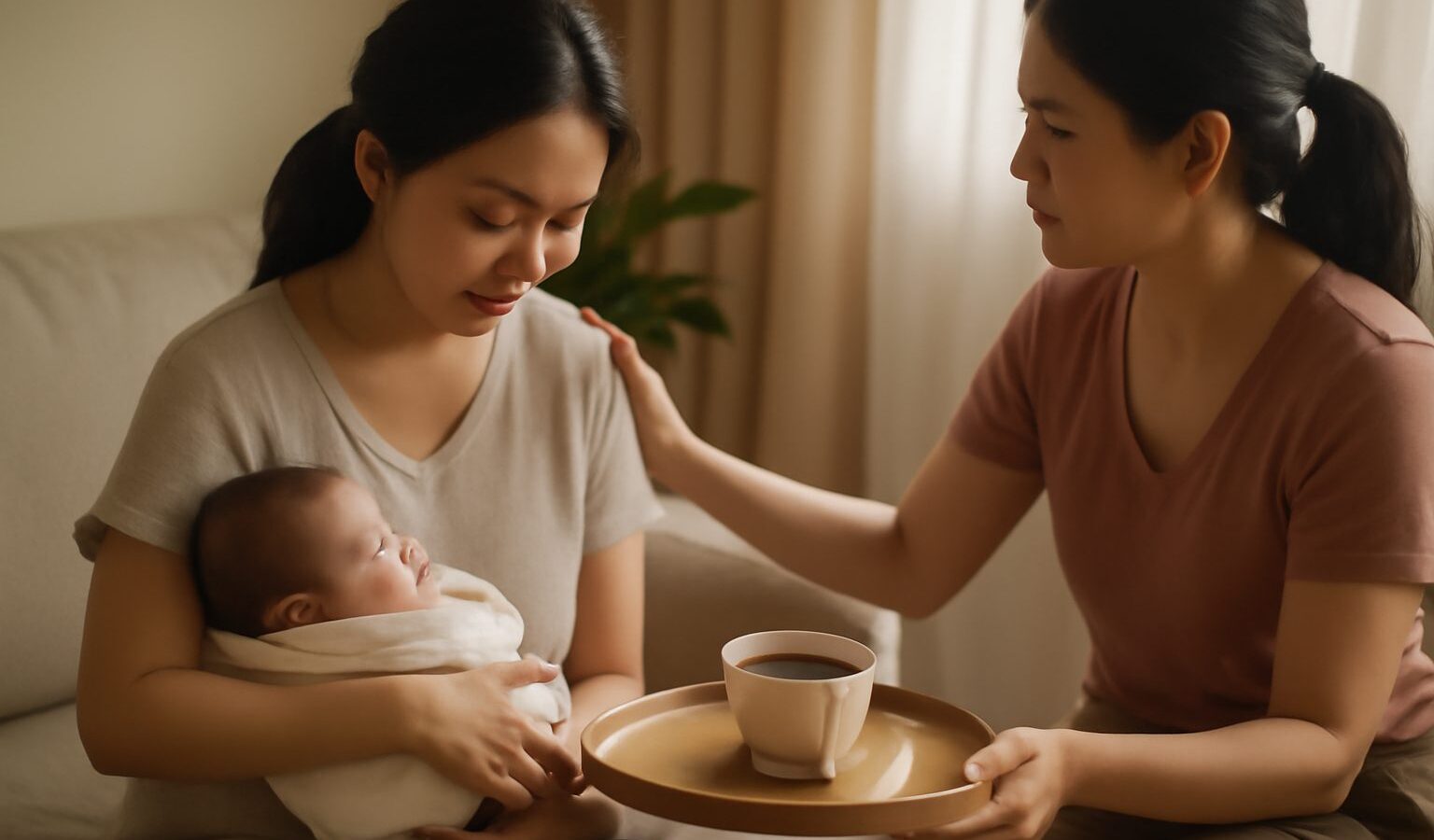
The weeks after a baby arrives are tender, joyful and, often, quietly overwhelming. When you are also new to Singapore, far from your own mother’s kitchen and your familiar circle back in China, that early season can feel lonelier than anyone warned you. Good postnatal support in Singapore does exist, and reaching for it is one of the kindest things you can do for yourself and your baby. This warm guide walks you through what recovery really involves, how to understand the shifts in your mood, and where to turn when you need a steadier hand. It is general information written with care, not medical advice, so please treat your doctor as the final word on anything to do with your health.
What Postnatal Recovery Really Involves
Your body has done something extraordinary, and it needs real time to heal, whether you gave birth vaginally or by caesarean. Bleeding for some weeks, sore muscles, tender breasts as your milk settles, broken sleep and a flood of changing hormones are all part of the ordinary picture. Rest is not a luxury here, it is part of the recovery, and letting the housework wait is entirely reasonable.
Many Chinese families observe a confinement period, the month of 坐月子, with its warming foods, rest and careful routines. In Singapore you can absolutely keep the traditions that comfort you, and many families hire a confinement nanny to help. At the same time, it is worth holding the old rules lightly where they clash with your own comfort or your doctor’s guidance, for instance around bathing or staying cool in the tropical heat. There is room to blend the wisdom you grew up with and the practical realities of life here.
Eat nourishing meals, drink enough water, and accept every offer of help you can. A well-supported mother heals better, and there is no prize for doing it all alone.
Understanding the Baby Blues and Postnatal Mood
In the first days after birth, many mothers feel weepy, anxious or strangely flat even amid the happiness. These baby blues are very common, usually arriving within the first week and easing on their own within a fortnight as your hormones settle. Being tearful over small things does not mean you are ungrateful or a poor mother. It means you are human and exhausted.
Sometimes, though, low mood runs deeper and lasts longer, and this is where gentle attention matters. Postnatal depression and anxiety are real, treatable conditions, not a personal failing, and they can affect any mother regardless of how much she loves her child. For a newcomer far from her support network, the risk of feeling isolated can be higher, which is all the more reason to keep a caring eye on how you are doing.
Telling Baby Blues From Something More
It helps to know, gently, when passing tears are giving way to something that deserves professional support. The table below offers a rough guide, not a diagnosis, and if in any doubt at all you should speak to a doctor.
| What to notice | Baby blues | Signs to seek help |
|---|---|---|
| Timing | Starts in the first week, eases within about two weeks | Low mood that lingers beyond two weeks or deepens |
| Mood | Tearful and up and down, but with brighter moments | Persistent sadness, emptiness or heavy anxiety most days |
| Daily life | Still able to care for yourself and baby | Struggling to cope, sleep or eat, or feeling detached from baby |
| Thoughts | Worried but hopeful | Hopelessness, or any thought of harming yourself or baby |
If anything in the right-hand column sounds like you, please do not wait or judge yourself. Reaching out early makes recovery quicker and gentler, and any thought of harm should be treated as urgent.
Practical Support for Newcomer Mothers
Building a little circle of support makes the early months far kinder, even when your own family is an aeroplane ride away.
- Lean on your partner and share the load openly, from night feeds to meals, so the weight does not fall on you alone.
- Consider a confinement nanny or trusted helper if it suits your family and budget, and agree expectations early.
- Look for local mother-and-baby groups, community centre activities run by the People’s Association, and neighbourhood connections, which ease the isolation newcomers often feel.
- Keep in touch with home, but be honest there too, rather than putting on a brave face for family back in China.
- Let go of perfection. A fed, loved baby and a resting mother are more than enough on any given day.
Small steps outdoors, a short walk with the pram once you feel able, and sunlight can lift the spirit more than you might expect. So can simply saying out loud that you are finding it hard.
When and Where to Seek Help
You do not need to wait until things feel desperate to ask for support. Singapore has caring services for new mothers, and using them is a sign of strength.
- KK Women’s and Children’s Hospital and the National University Hospital both run mental wellness support for mothers. KKH can be reached about postnatal depression at pnd@kkh.com.sg, and your obstetric team or postnatal review is a natural place to raise how you are feeling.
- Your GP or a polyclinic doctor can assess your mood and body, treat you, and refer you onward if needed.
- The AWARE Women’s Helpline supports women through emotional difficulties, including after birth, and can be reached on 1800 777 5555 during its listed hours.
- For round-the-clock support, the national mindline on 1771 offers help by phone and text, and the Samaritans of Singapore can be reached on 1767. Please look up the latest numbers and operating hours, as services do change.
Whatever you are feeling, you are not the only mother to have felt it, and you do not have to carry it quietly. Postnatal recovery takes time, tenderness and, often, a few caring hands beyond your own. Reaching for them is not weakness. It is exactly how a new mother, and a new family in a new country, finds its feet.
Explore more
Once you are settling into life with your little one, our guide on childproofing your home in Singapore helps you create a safe space as they grow. If you ever have questions about your child’s development, early intervention and special needs support explains the help available, and looking further ahead, arranging your child’s school place before you arrive is a useful read for newcomer families.