
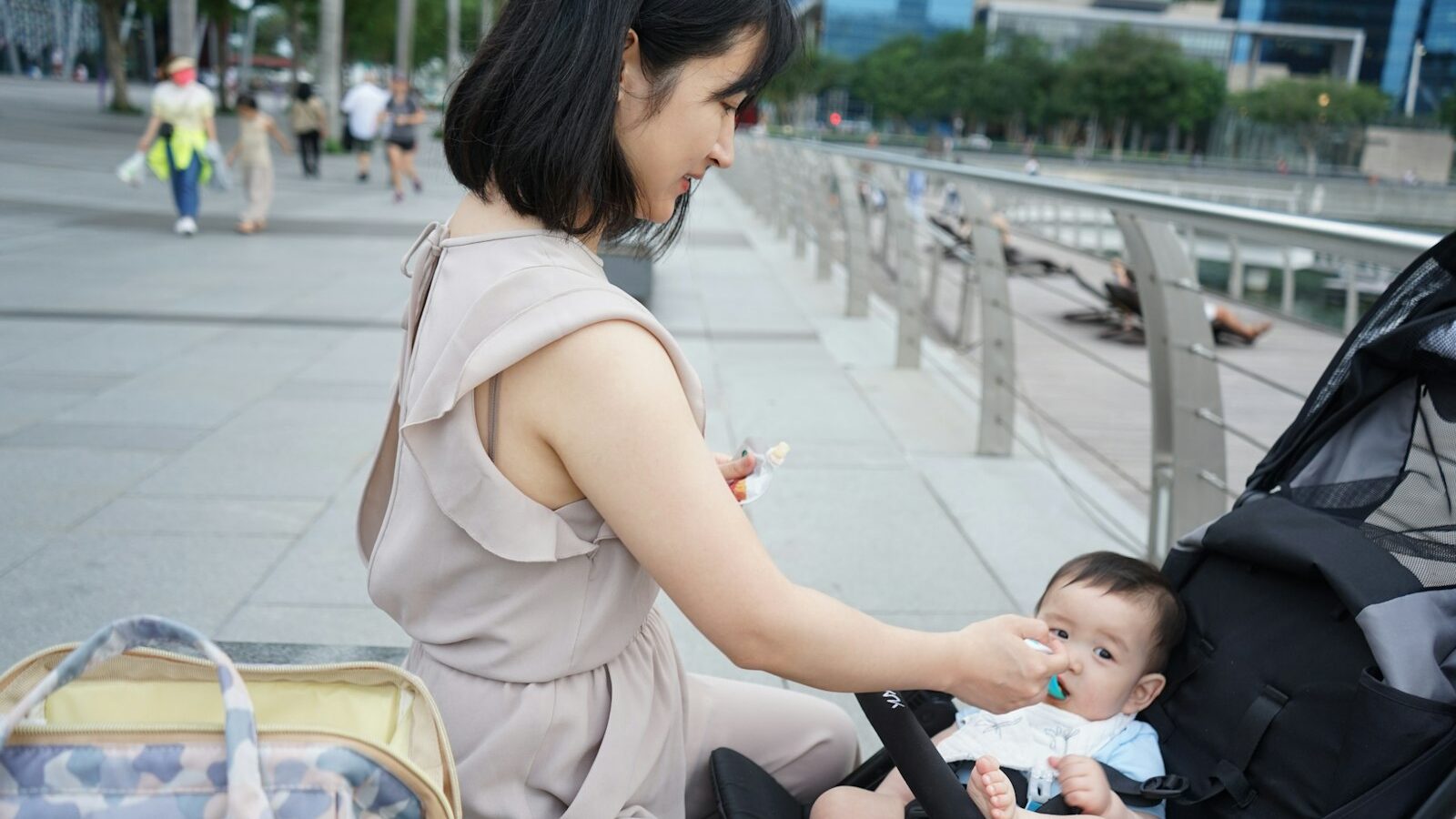
Bringing a baby home changes everything, and your cat or dog feels that shift too. Managing pets and a new baby is less about picking one over the other and more about preparing your animal early, so the new arrival feels like a gentle addition rather than a sudden loss of their world. Done well, most pets adjust within weeks and many form a quiet, lifelong bond with the child. This guide walks through what to do in the months before the birth, how to introduce them safely, and how to keep everyone calm in a compact HDB flat. It is general guidance, not veterinary or medical advice; speak to your vet, and your doctor, about your own situation.
Start Preparing in the Months Before
The worst time to change a pet’s life is the day the baby arrives, so begin early. If your dog or cat will lose access to a room, gain a new gate, or shift to different walk times, roll those changes in gradually over the weeks beforehand. That way the animal links the change to nothing in particular, rather than blaming the newcomer.
Practical steps that pay off before the birth:
- Set up the nursery early and let your pet explore it calmly, then teach that the cot and changing area are look but do not touch.
- Adjust feeding and walk times slowly towards the schedule you expect to keep, so mealtimes do not suddenly clash with feeds.
- Play recordings of a baby crying at a low volume, building up over days, and pair the sound with treats and praise so it predicts good things.
- Get your pet used to baby smells and gear: lotions, the pram, the cot mobile, so none of it is startling later.
- Brush up on basic cues. A reliable settle, sit, and go to your mat make the first weeks far easier for a dog.
Think of these weeks as slowly reshaping the routine so that, by the time the baby comes, most of the change has already happened.
Sort Out Health, Training and the Basics
A calm introduction is much easier with a healthy, well-managed pet, so use the pregnancy months to tidy up the fundamentals. Book a vet check to make sure vaccinations, deworming and parasite control are current, since a new baby means extra reason to keep your home free of fleas, ticks and worms. Ask your vet about sterilisation if your pet is not already done, as it often steadies behaviour and is part of responsible ownership here.
Sort out the daily-life pieces too. If your dog pulls on the lead, jumps up, or struggles to settle, gentle training now is worth far more than trying to fix it while holding a newborn. In Singapore’s heat, plan how walks will still happen once your hands are full, whether that means early mornings, a partner sharing the load, or a trusted walker. If you may need help, arrange it before the birth rather than in a sleep-deprived panic afterwards. Never consider rehoming a healthy pet as a first response to pregnancy; it is rarely necessary and deeply unsettling for the animal.
Introduce Your Pet to the Baby Safely
The first meeting sets the tone, so keep it low key and always supervised. Before the baby comes home, bring back a blanket or item of clothing carrying the baby’s scent and let your pet sniff it calmly, rewarding relaxed behaviour. When you walk in for the first time, greet your pet normally first so they are not straining with excitement, then let them notice the baby at their own pace.
Keep the golden rule at the centre of everything: never leave a pet and a baby together unsupervised, not even for a moment, no matter how gentle the animal seems. Babies move and sound in unpredictable ways, and even a loving pet can be startled. Use gates, playpens and closed doors so that any time you cannot actively watch both, they are safely separated.
| Do | Don’t |
|---|---|
| Let your pet approach the baby slowly and reward calm | Force them face to face or hold the baby over them |
| Keep every interaction fully supervised | Leave pet and baby alone together, even briefly |
| Give your pet a safe retreat away from the baby | Corner or trap your pet near the cot |
| Watch body language and end the meeting early if tense | Punish growling or hissing, which is useful warning |
| Keep feeding, litter and sleeping areas off limits to baby | Let a crawling baby reach food bowls, litter or the pet |
If your pet growls, hisses or backs away, do not scold them. That signal is information, telling you they are uncomfortable, and punishing it only teaches them to skip the warning next time. Calmly increase the distance and try again later, more slowly.
Keep Routines Steady So Your Pet Is Not Pushed Out
Pets thrive on predictability, and the biggest risk in these first months is not aggression but neglect, as exhausted parents unintentionally shrink the animal’s world. Guard against that by protecting a few daily anchors: a walk, a short play session, a grooming session, or simply five minutes of undivided attention. Even brief, reliable one-to-one time reassures your pet that they still belong.
A few habits keep the balance:
- Attach good things to the baby. Give your dog a chew or your cat a treat during feeds and nappy changes, so the baby predicts nice moments.
- Keep exercise and enrichment going. A tired, mentally stimulated pet is calmer, which matters most in a small flat.
- Avoid a sudden drop in attention followed by guilty over-fussing; aim for steady, predictable contact instead.
- Watch for stress signs: hiding, appetite changes, toileting outside the tray, over-grooming, or clinginess, and respond gently rather than telling them off.
- Share the load between household members so no single person is stretched and no pet is forgotten.
Small, consistent gestures matter more than grand ones. The message you want to send is simple: your place in this family is safe.
When to Get Help From a Vet or Behaviourist
Most pets settle with time, patience and good management, but some need extra support, and asking for it early is a sign of a responsible owner, not a failing one. If your pet shows persistent fear, guarding of resources, snapping, or any behaviour that makes you uneasy around the baby, do not wait and hope. Keep them safely separated and seek professional help.
Start with your vet, who can rule out pain or illness behind a behaviour change and refer you to a qualified, reward-based behaviourist or trainer if needed. Choose someone who uses kind, modern methods rather than punishment, which can make fear and aggression worse. If you ever feel a situation is genuinely unsafe, prioritise the baby, separate the animal completely, and get expert guidance straight away.
Bringing pets and a new baby together is one of the most rewarding parts of family life, and with early preparation, steady routines and constant supervision, the vast majority of homes manage it beautifully. Start early, keep meetings calm and supervised, protect your pet’s sense of belonging, and lean on your vet whenever you are unsure. Handled with care, your pet and your child can grow up as the best of companions.