
Racquet sports in Singapore are a national pastime as much as a workout, and for good reason. They pack a full-body cardio session into an hour, they are social by design, and the country is dotted with affordable public courts and halls. Whether you grew up smashing shuttlecocks in the void deck or you are a newcomer looking for a friendly game, this guide walks through the main options, where to play, what gear you need, and how to find coaching so you can pick a sport and get on court quickly.
The Main Racquet Sports and Who They Suit
Singapore offers a wider spread of racquet sports than most cities its size, and each has its own rhythm, learning curve and community.
Badminton is the runaway favourite. Courts are everywhere, from ActiveSG sports halls and community clubs to private academies, and the barrier to entry is low. A gentle rally is easy for beginners, yet the competitive game is fast and demanding. It suits almost anyone who wants a quick, sociable game close to home.
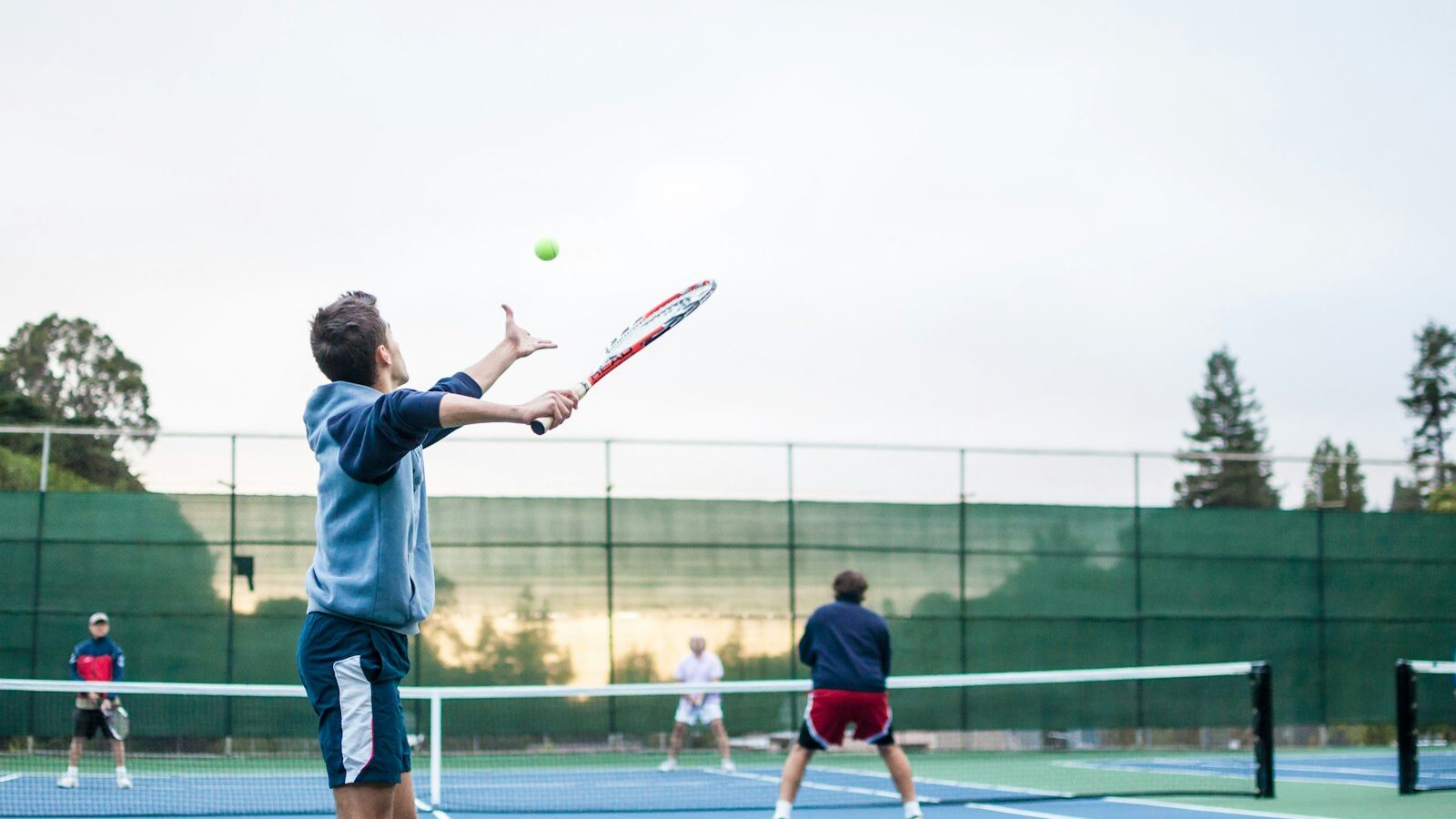
Tennis rewards patience and technique, and Singapore has a healthy network of public courts. It asks for more space, a bit more travel to a court, and a longer road to competence, but the payoff is a satisfying outdoor game. Heat and humidity make early morning or evening sessions far more comfortable.
Table tennis is arguably the most accessible of all. Tables sit in community centres, void decks and schools, sessions are short and sharp, and it is gentle on the knees, which makes it popular with older players and families.
Squash is a high-intensity indoor game played in an enclosed court. It delivers an intense cardio burn in a short window, though courts are less common and the technique takes time to click.
Pickleball is the newcomer that has grown quickly here. It blends elements of tennis, badminton and table tennis on a smaller court, is easy to learn, and has built an enthusiastic community across community clubs and dedicated venues.
Comparing the Options
Choosing between racquet sports singapore residents love often comes down to how much space, intensity and setup you want. The table below sums up the practical trade-offs.
| Sport | Learning curve | Intensity | Court access | Gear cost to start |
|---|---|---|---|---|
| Badminton | Gentle | Moderate to high | Very widely available | Low |
| Table tennis | Very gentle | Low to moderate | Widely available | Very low |
| Tennis | Steeper | Moderate to high | Public courts islandwide | Moderate |
| Squash | Moderate | High | Limited venues | Moderate |
| Pickleball | Very gentle | Moderate | Growing quickly | Low |
Treat this as a starting point rather than a ranking. The best sport is usually the one with a court near you and a few friends willing to play regularly, because consistency is what turns a hobby into fitness.
Where to Play Across the Island
Access is one of the real joys of racquet sports here. Most residents live within a short trip of a place to play.
- ActiveSG sports centres. SportSG runs the ActiveSG network of sports halls and courts across the island, and members can book badminton, tennis, table tennis and squash facilities at subsidised rates through the ActiveSG app. Newborn Singaporeans and residents receive ActiveSG credits that can offset booking fees.
- Community clubs and RCs. Managed under the People’s Association network, these host badminton, table tennis and increasingly pickleball, often with casual drop-in sessions and interest groups.
- Private academies and clubs. These offer premium courts, structured coaching and league play, usually at higher cost but with better upkeep and prime-time availability.
- Condominium and workplace facilities. Many private estates include tennis courts and function rooms suitable for table tennis, which is worth checking if you have access.
Peak slots in the evenings and at weekends book out fast, so plan ahead. Booking windows and fees change from time to time, so confirm the current rates and rules on the ActiveSG app or with your community club before you turn up.
Gear, Coaching and Getting Started
You do not need expensive equipment to begin. A sensible starter approach is to borrow or buy an entry-level racquet, get court-appropriate non-marking shoes, and upgrade only once you know you enjoy the sport.
For each sport, a few essentials make the early sessions more enjoyable:
- A racquet that matches your level. Beginner frames are more forgiving and lighter on the wallet. Ask a shop staff member or coach rather than buying the most expensive model.
- Proper court shoes. Indoor racquet sports need non-marking soles with good lateral grip, which cuts the risk of slips and ankle rolls.
- Shuttlecocks or balls. Feather shuttles play better but wear out faster than nylon; tennis and pickleball balls are inexpensive and easy to replace.
- Hydration and sun sense. For outdoor tennis, the heat is a genuine factor, so drink well and favour cooler hours.
Coaching accelerates progress and helps you avoid ingrained bad habits. Look for coaches accredited under the National Registry of Coaches, which SportSG maintains, and consider starting with a small group class to keep costs down while you learn the basics. Many ActiveSG centres and community clubs run beginner programmes on a term basis.
Because racquet sports involve sudden stops, twists and overhead swings, a short warm-up and some mobility work protect your shoulders, knees and ankles. If you are returning from injury, are pregnant, or have a heart or joint condition, get clearance from a doctor before taking up an intense game like squash. Build up gradually rather than going all-out in your first week.
Building a Sustainable Playing Habit
The players who stick with it treat racquet sports as a routine, not a one-off. A standing weekly game with the same group is the single most reliable way to keep going, because the social commitment carries you through the weeks when motivation dips.
Mixing sports also helps. Someone who plays badminton midweek and picks up pickleball at the weekend gets variety, works different movement patterns, and reduces the repetitive strain that comes from a single sport. Joining a community interest group or a casual league adds friendly competition and a calendar to plan around. If your knees or shoulders start complaining, scale back the intensity, switch temporarily to a gentler option like table tennis, and let niggles settle rather than pushing through pain.
This article is general information and is not personalised medical advice. If you have an existing health condition or an injury, confirm what is safe for you with a doctor or a qualified professional before starting or intensifying any sport.
Explore more
Racquet sports pair well with wider fitness habits, so browse our guide to using ActiveSG facilities for how to book courts and claim your credits, and our overview of the best gyms in Singapore if you want to build strength for a harder game. For more community-based options near you, see community sports and CC programmes.