
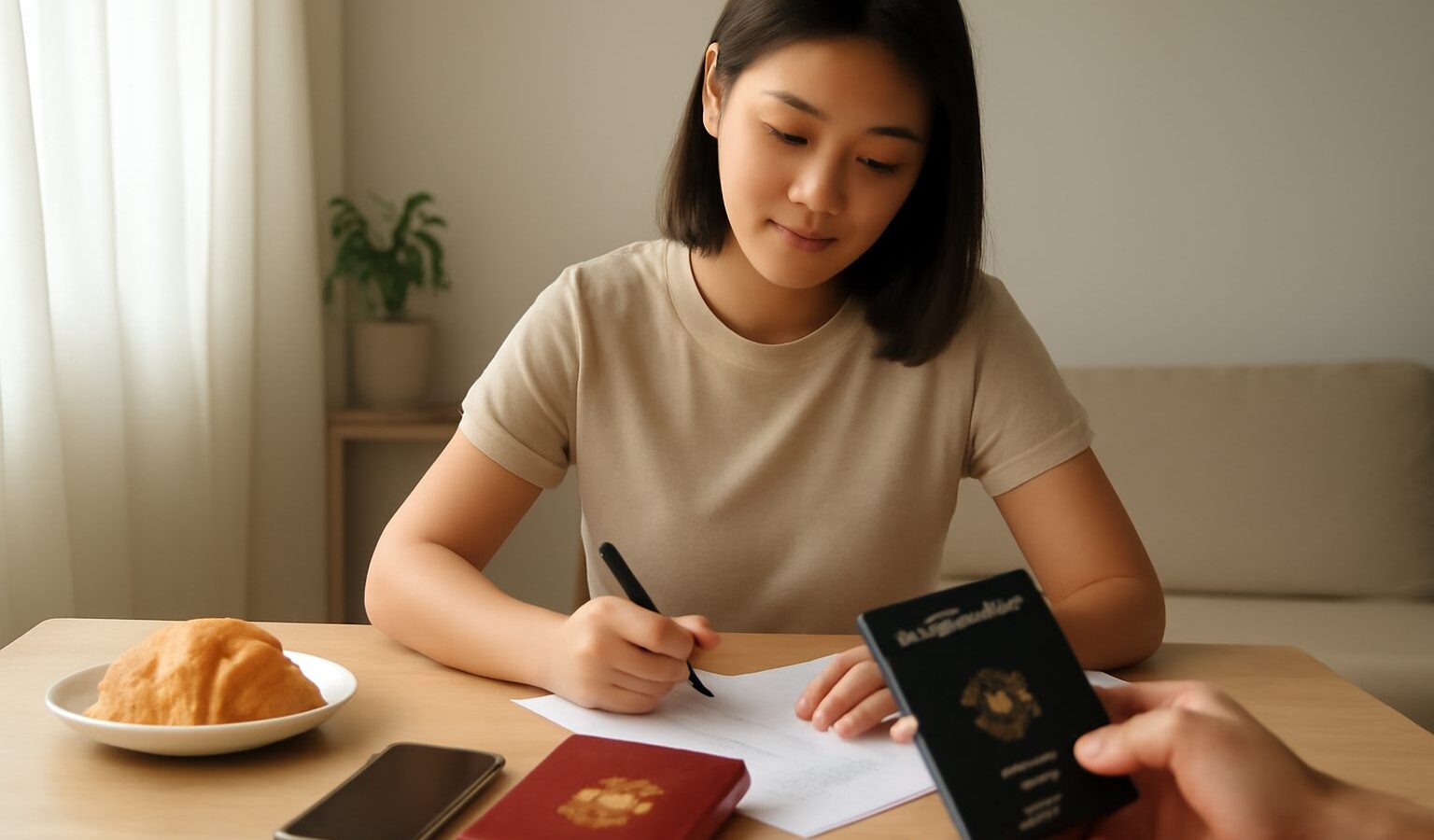
Moving to a new country brings a long list of tasks, and registering with your embassy is one that is easy to forget yet genuinely useful. When you first arrive, registering with embassy Singapore services connects you to your home government while you live abroad, so that if something goes wrong or you simply need paperwork done, there is a clear place to turn. Think of it as quietly setting up a safety net before you need it.
This guide explains why registration matters, what your embassy or consulate can help with, and how to go about it. Every country handles this differently, so treat the steps below as a general orientation and always defer to your own embassy or consulate for the exact process that applies to you.
Why Register at All
Your embassy or high commission represents your home country in Singapore. When you register your presence, you let them know that you are living here, roughly where you are, and how to reach you. That small step pays off in several situations.
The most important reason is emergencies. If there is a natural disaster, a serious accident, a family crisis back home, or a wider crisis that affects travellers and residents, a registered contact list helps your government reach out to you or account for your whereabouts. In a stressful moment, being on that list can make a real difference.
Registration also smooths everyday consular work. When you eventually need a new passport, a document notarised, or proof of your nationality, having a record already on file often makes the appointment quicker and less fiddly. It is the kind of preparation you rarely think about until the day you need it.
What Your Embassy Can Help With
Embassies and consulates offer a range of services to their citizens abroad. The exact menu varies, but most cover similar ground.
Passport and travel documents sit at the heart of consular work. If your passport is lost, stolen, damaged, or simply due to expire while you are in Singapore, your embassy is where you renew or replace it, and where you obtain emergency travel documents if you need to fly home urgently.
Document services are another common offering. Many embassies can notarise documents, certify copies, witness signatures, or issue official statements you might need for marriage, study, work, or property matters either here or back home. If you are asked for a document that only your home authorities can produce, the embassy is usually the right starting point.
Voting is something many new arrivals overlook. Depending on your country’s rules, you may be able to vote in national elections from overseas, and your embassy can explain how to register as an overseas voter and cast your ballot. If staying connected to politics at home matters to you, ask early, as deadlines can fall well before polling day.
Finally, embassies provide support in emergencies and difficult situations, such as helping if you are hospitalised, detained, or the victim of a crime, and offering guidance if a loved one passes away while you are abroad. They cannot override local laws or act as your lawyer, but they can point you towards trustworthy help and keep your family informed.
How to Register
The process is usually straightforward and, in most cases, free. Start by finding your embassy, high commission, or consulate in Singapore through an official government website rather than a random search result, so you know the details are current.
Many countries now offer an online traveller or resident registration portal where you enter your details in a few minutes. Others ask you to email or visit in person. Have your passport, your Singapore address, and your local contact number ready, as these are almost always requested.
Here is a simple way to think through the basics before you begin.
| Question | What to have ready |
|---|---|
| Who is my embassy? | The official name and website for your country’s mission in Singapore |
| How do I register? | Online portal, email, or in person, as your embassy specifies |
| What details are needed? | Passport, local address, contact number, emergency contact |
| What can they do for me? | Passports, documents, voting, emergency support |
| How do they reach me? | The email and phone number you provide, so keep them updated |
Once you are registered, keep your information current. If you change your address, phone number, or email, update your record so any alerts or notices actually reach you. It only takes a moment and keeps the safety net intact.
Small Habits That Help
A few gentle habits make embassy support work better for you. Save the embassy’s phone number and email in your phone under a name you will remember. Note their office hours, as consular counters are often open only at set times. Sign up for any travel or safety alert service they offer, so you hear about anything important without having to check yourself.
It also helps to keep digital and paper copies of your key documents, such as your passport photo page, your visa or pass, and your birth certificate. If anything is ever lost, replacements are far easier when you can show what you had.
Remember too that embassies are there to help within limits. They cannot pay your bills, find you a job, or get you out of following Singapore law, and they will always respect the rules of the country you now live in. Knowing what they can and cannot do saves frustration and lets you approach them with the right expectations.
Settling In With Confidence
Registering with your embassy is a quiet, sensible step that gives you one less thing to worry about as you build your new life. It takes a few minutes, costs little or nothing, and means that if the unexpected happens, you are already connected to people whose job is to look out for you.
As with every part of moving abroad, the details differ from country to country, so make your own embassy or consulate your first and final word on what applies to you. Do that early, keep your details fresh, and you can get on with the more exciting parts of settling into Singapore.