
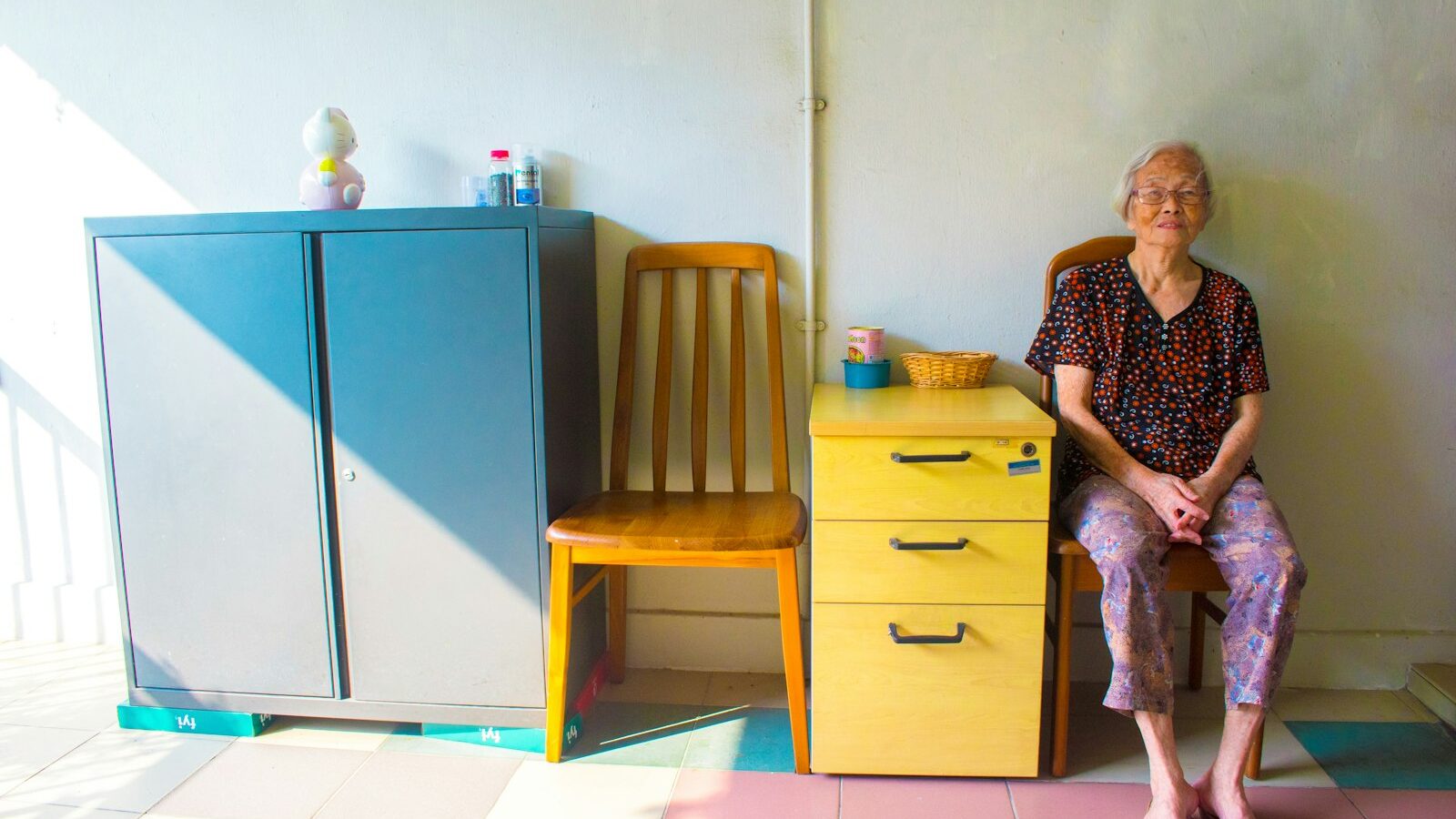
Buying secondhand furniture in Singapore is one of the easiest ways to furnish a flat well without paying full retail, and it keeps solid, usable pieces out of the rubbish chute. A resale HDB flat or a first BTO rarely needs everything brand new, and older furniture is often built from heavier timber than the flat-pack we buy today. The catch is that a used piece comes with a history you cannot always see, so the skill is knowing where to look, how to inspect before you commit, and how a bit of paint or new upholstery can turn a tired find into something you are proud to keep. This guide walks through all of it, plus the few things you really should buy new.
Where to Find Secondhand Furniture
There is no single best source, so most people mix a few depending on what they need and how much time they have.
- Carousell is where most local secondhand furniture changes hands. You can filter by area, message the seller, and often arrange self-collection or delivery. Prices are negotiable, so it is normal to make a polite offer.
- Hock Siong & Co and similar warehouse dealers sell used and ex-hotel furniture, crockery, and fittings. It is a good hunting ground for solid wood pieces and one-off items, and you can see things in person before buying.
- Karung guni and heartland second-hand shops still exist around older estates and industrial areas. Stock is unpredictable but the prices are low, and you occasionally find a well-made cabinet or teak chair.
- Moving-out and expat sales are a quiet goldmine. People relocating overseas often sell a whole flat of furniture cheaply and fast, sometimes barely used. Watch neighbourhood and expat community groups, and condo or estate chat groups.
- Facebook Marketplace and giveaway groups round things out, including free items where you simply arrange collection.
Timing helps. The window around quarter-ends and the school holidays tends to bring more moving sales, and end-of-lease periods flood the market with condo furniture.
Inspecting Before You Buy
This is the part that separates a bargain from a regret. Our climate is hard on furniture, so inspect carefully and, where you can, see the piece in person or ask for clear, well-lit photos from several angles.
- Termites and borers. Look for tiny holes, fine powdery dust (frass) underneath, hollow-sounding timber, or mud tunnels. Any sign of active infestation is a firm no, because termites can spread to your own carpentry and structure.
- Mould and musty smell. Black or white fuzz, water stains, and a damp smell point to a piece that lived somewhere humid. Surface mould can be cleaned, but a deep musty smell in upholstery or inside a cabinet is hard to remove.
- Structural damage. Wobble the piece, open every drawer and door, and sit on chairs and sofas. Loose joints can often be re-glued, but cracked frames and swollen engineered-wood board that has puffed up rarely recover.
- Bugs in soft furnishings. Check seams and folds of any fabric item for signs of pests before it comes through your door.
- Measure the piece and your lift. Note the dimensions and confirm it will fit your lift, corridor, and doorway, a common trap in HDB flats.
If a seller resists letting you inspect or measure, treat that as a warning and walk away.
Simple Upcycling and Refreshing
A solid but dated piece is often one weekend away from looking intentional rather than old, and upcycling is where secondhand furniture really pays off.
- Paint and finish. A coat of the right paint transforms an old cabinet, chest of drawers, or dining chairs. Clean and lightly sand first, prime if needed, and use a paint suited to the surface. Work in a ventilated spot, not a sealed bomb shelter.
- New handles and knobs. Swapping tired hardware for fresh handles from IKEA, a hardware shop, or Taobao is the cheapest facelift there is, and it takes an afternoon.
- Reupholstery and covers. A structurally sound sofa or dining chair with worn fabric can be reupholstered by a local upholsterer, or fitted with a slipcover for far less than a new set. Get a quote first, since reupholstering a large sofa can cost enough that a replacement makes more sense.
- Small repairs. Re-glue and clamp loose joints, tighten screws, and oil solid wood to bring life back to the timber.
Keep the maths honest. Upcycling a solid teak or oak piece is usually worth it, while pouring effort into swollen flat-pack board often is not.
What to Skip and How to Get It Home
Some things are better bought new no matter how good the deal looks. Mattresses top the list: a used mattress can carry dust mites, bed bugs, mould, and body-fluid staining you cannot see, and hygiene and sagging support are not worth the saving. Be cautious too with heavily worn upholstered sofas where you cannot check inside, anything with signs of pests, and cots or baby items where safety standards and wear matter. When in doubt on soft items, buy new or budget for professional cleaning.
For delivery, factor the cost in before you celebrate the low price. Options range from the seller’s own delivery, to a movers or lorry service, to a friend with a van. Ground-floor and lift-accessible collection is cheap; anything needing carrying up stairs or dismantling costs more. Confirm who dismantles and reassembles, and clear your own lift and corridor route in advance.
| Where to look | What you tend to find | Prices | Watch out for |
|---|---|---|---|
| Carousell | Everything, all conditions | Negotiable, wide range | Seller no-shows, unseen flaws |
| Hock Siong / warehouse dealers | Solid wood, ex-hotel, one-offs | Mid, fixed | Heavy pieces, delivery cost |
| Karung guni / heartland shops | Random, older solid pieces | Low | Unpredictable stock, condition |
| Moving-out / expat sales | Whole-flat sets, near-new | Low, sold fast | Move quickly, arrange transport |
Buying Well and Buying Fair
A few habits make secondhand shopping smoother. Bring a torch, a measuring tape, and a bit of patience to any viewing. Ask why the piece is being sold and how old it is, since honest sellers answer readily. Negotiate politely and settle collection details in writing before you pay, including timing, address, and who handles delivery. Meet in daylight where you can, and inspect fully before money changes hands. If a deal feels rushed or a price seems too good, slow down and ask more questions. Done with a little care, buying used gets you sturdier furniture for less and gives a good piece a second life instead of an early trip to the incinerator.
Explore more
Secondhand hunting works best as part of a wider plan, so pair this with our guide to furnishing your home on a budget for where to save and where to spend. When you do want something new, our roundup of the best furniture stores in Singapore covers the retail options. And if a used piece shows any sign of infestation, read our pest control in Singapore guide before bringing it home.