
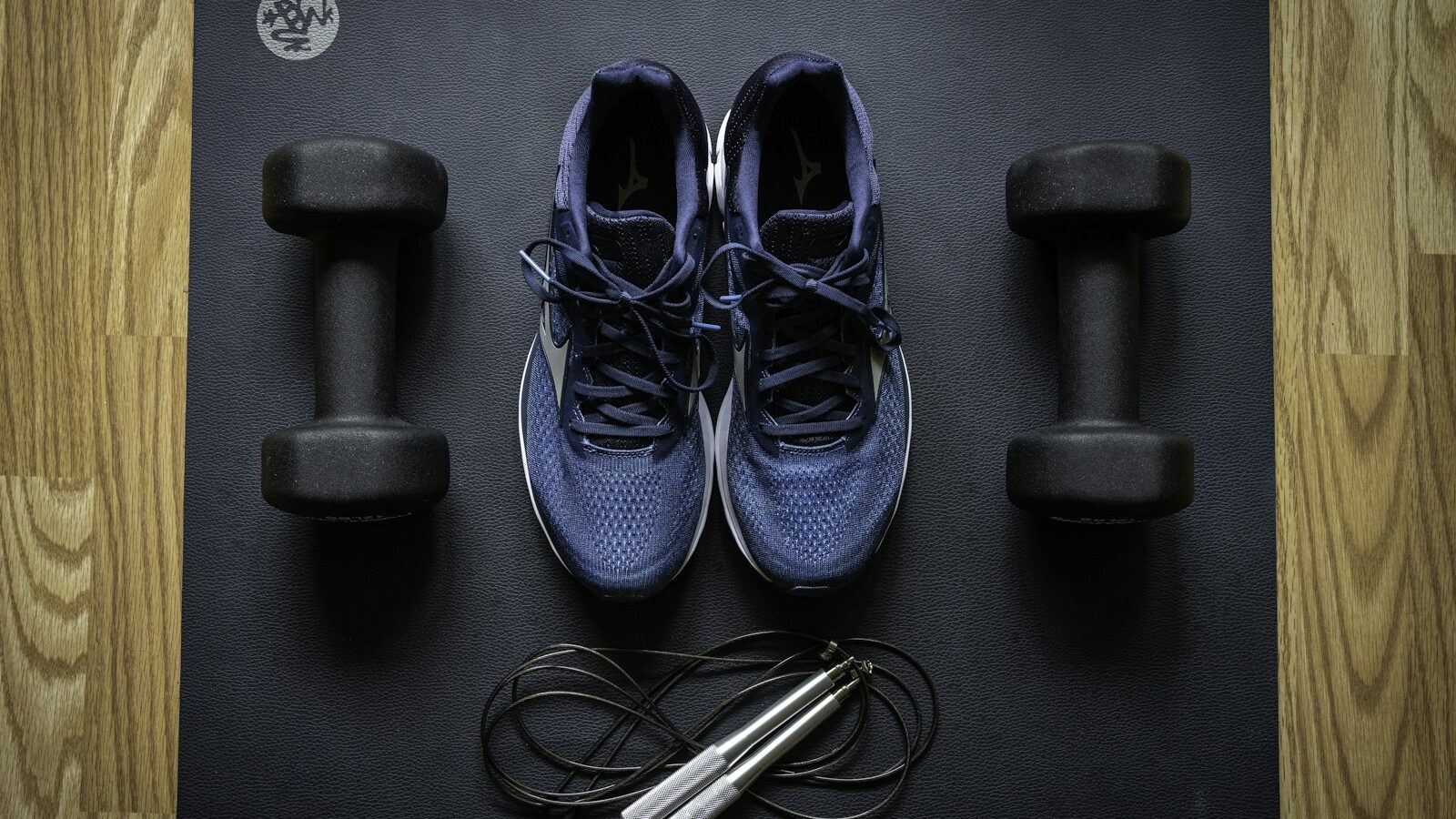
Building a home gym small space owners can rely on is less about square footage and more about smart choices. In a compact HDB flat or condo, a corner of a bedroom, a stretch of balcony or even the space beside your sofa can become a proper training zone. The trick is picking equipment that folds away, stacks up or does the work of three separate machines.
Planning the space before you buy anything
Start by measuring the actual floor area you can commit to, not the area you wish you had. Most people need roughly the length of a yoga mat plus a metre of clearance on either side to move freely, swing weights or drop into a burpee without knocking a wall. Mark it out with masking tape and stand inside it. Raise your arms overhead and check ceiling fans, light fittings and any low beams.
Think about what kind of training you actually enjoy and will keep doing. A cardio person needs a different set-up from someone chasing strength. There is no point buying a squat rack if your goal is simply to move more and stay mobile. Be honest about your habits, because the best home gym is the one you use three times a week, not the one that looks impressive on day one.
Also consider noise and neighbours. Dropping heavy weights or running on a treadmill early in the morning travels through concrete floors. A dense rubber mat and considerate timing keep the peace.
The essentials for a compact set-up
You do not need a room full of machines. A short, well-chosen kit list covers most goals:
- Adjustable dumbbells that dial between light and heavy replace an entire rack and store in a single footprint.
- A pull-up bar that fits a door frame gives you back and core work with zero floor space.
- Resistance bands are almost weightless, travel well and add variety to nearly every exercise.
- A folding bench that flattens against a wall unlocks pressing, rows and step-ups.
- A quality mat protects your floor, cushions your joints and defines the zone.
- A skipping rope delivers serious cardio in the space of a doormat.
If you have a little more room and budget, a foldable treadmill or a compact rowing machine that stands upright when stored can anchor your cardio. Prioritise anything that folds, stacks or hangs.
Choosing equipment for the space you have
Different homes suit different formats. Use this comparison to match kit to your situation.
| Set-up type | Space needed | Best for | Storage |
|---|---|---|---|
| Bands and mat only | Corner of a room | Beginners, mobility, travel | Drawer or basket |
| Adjustable dumbbells plus bench | About one mat plus clearance | Strength on a budget | Under bed or against wall |
| Foldable cardio machine | One machine footprint | Cardio at home | Folds flat, wheels away |
| Wall-mounted rack | A dedicated wall | Serious lifters with a spare wall | Fixed, vertical |
The pattern is clear. The less space you have, the more you should lean on vertical storage, foldable frames and multipurpose tools rather than single-use machines.
Layout that keeps you moving
Position your mat so you have clear space in front of a mirror or a blank wall. A mirror is genuinely useful for checking form, and it makes a tight room feel larger. Keep your most-used items within arm’s reach on a small shelf or a pegboard so a workout starts without hunting for gear.
Leave a clear path in and out. If you have to shift furniture every time you train, you will train less. In a bedroom, angle the mat toward the longest sightline in the room. On a balcony, keep equipment that tolerates humidity and bring softer items indoors after use.
Lighting matters more than people expect. A well-lit corner feels energising, while a dim one feels like a chore. If natural light is limited, a bright, cool-toned lamp lifts the mood.
Flooring, ventilation and staying comfortable
Interlocking foam tiles or a thick rubber mat protect your flooring, reduce noise and give you a stable surface. This is the single upgrade that makes a home gym feel real rather than improvised.
Ventilation is critical in our climate. Singapore’s humidity turns any enclosed workout into a sauna, so position yourself near a window or a fan. A standing fan angled across your body keeps you cooler than one blowing from behind. If you train in an air-conditioned room, crack a window occasionally to refresh the air. Wipe down equipment after sessions, because sweat and humidity together encourage rust and odour.
Keep a small towel, a water bottle and a hook for a sweat rag in the zone. These tiny conveniences remove friction and make the habit stick.
Small-HDB tips that make a real difference
In a flat where every square metre counts, storage is everything. Choose furniture that hides your gear. A storage bench doubles as a step-up platform and a place to stash bands and a rope. Adjustable dumbbells slide under a bed. A door-frame pull-up bar disappears when not in use.
Go vertical wherever you can. Wall hooks, a slim pegboard or a narrow shelf keep the floor clear. If you share the space with family, agree on a quick pack-down routine so the corner returns to normal life in under a minute.
Consider dual-purpose rooms honestly. A home office corner can flex into a workout spot if you keep equipment light and quick to deploy. Multifunctional furniture is your ally here, letting one area serve two roles across the day.
Finally, resist the urge to over-buy. A crowded room is a demotivating room. Start with the essentials, use them consistently for a month, then add only what your training genuinely calls for.
Getting started
A small space is not a barrier to fitness. It is a filter that forces you to buy well, store cleverly and train with intent. Lay out your zone, invest in a good mat, pick a handful of versatile tools and keep the area inviting. Do that, and a quiet corner of your home becomes the most convenient gym you will ever join.
Explore more: Small-Space Living in Singapore · Space-Saving and Multifunctional Furniture · Maximising Storage in a Small HDB