
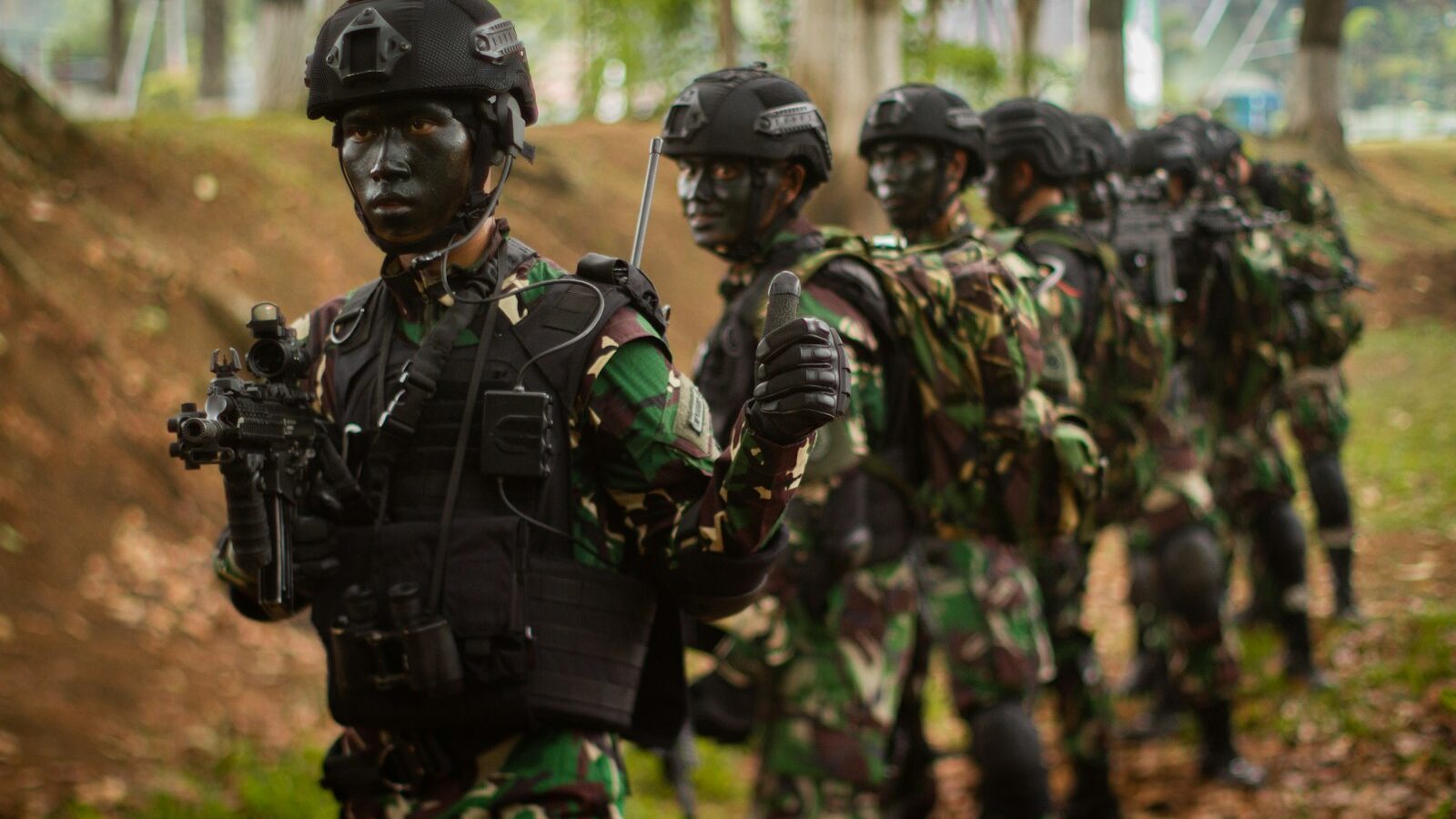
Defence is a serious national priority for Singapore, centred on the Singapore Armed Forces (SAF) and National Service. This explainer covers the approach to defence, National Service, the role of the armed forces, and why defence matters. This is a general overview.
Singapore’s approach to defence
Defence is treated as a serious and important national priority in Singapore, reflecting the understanding that a small nation must be able to defend itself and safeguard its security, sovereignty and independence. Singapore’s approach to defence emphasises building a capable, credible defence force to deter threats and protect the nation, alongside a broader concept of national defence that involves the whole of society. The Singapore Armed Forces (SAF) is central to this, supported by National Service, which builds a substantial defence capability from the population. This emphasis on defence reflects the vulnerabilities and considerations of a small nation and the value placed on security and self-reliance. Understanding Singapore’s approach to defence illuminates an important national priority and the serious, deliberate way the nation approaches safeguarding its security and independence.
National Service
| Aspect | Broadly |
|---|---|
| National Service (NS) | Compulsory service for eligible males |
| Purpose | Building defence capability |
| Reservists | Continued service after full-time NS |
| Whole-of-society | Defence involving the population |
National Service (NS) is a cornerstone of Singapore’s defence, involving compulsory service for eligible males, who serve a period of full-time National Service and subsequently continue as operationally-ready reservists. NS enables Singapore to build and maintain a substantial defence capability from its population, which is essential for a small nation. It is a significant shared experience and responsibility, reflecting the whole-of-society approach to defence and the contribution of citizens to national security. NS is regarded as an important national institution, both for defence capability and as a shared rite and responsibility. For specific, current details on NS obligations, duration and arrangements, official sources provide authoritative information. Understanding National Service illuminates a cornerstone of Singapore’s defence and a significant shared experience and responsibility in the nation.
The role of the armed forces
The Singapore Armed Forces (SAF) is the military of Singapore, central to the nation’s defence. Its role is to defend the nation, deter threats, and safeguard Singapore’s security, sovereignty and independence. The SAF comprises the various branches of the armed forces and is built and maintained substantially through National Service, combining full-time personnel and reservists. Beyond its core defence role, the armed forces may also contribute in other ways, such as in certain support and contingency situations. The SAF’s capability and readiness are central to Singapore’s defence posture and its ability to deter threats and protect the nation. Understanding the role of the armed forces illuminates the central instrument of Singapore’s defence, and the importance placed on maintaining a capable, credible and ready force to safeguard the nation’s security and independence.
Deterrence and security
A key concept in Singapore’s defence thinking is deterrence, the idea that a capable, credible defence force helps deter potential threats and thereby protect the nation, contributing to peace and stability. For a small nation, building sufficient defence capability to deter aggression and safeguard security is regarded as essential. This is complemented by diplomacy, good relations and Singapore’s broader foreign policy, which also contribute to its security. Defence and security are thus pursued through a combination of credible defence capability and constructive external relations. The emphasis on deterrence reflects the understanding that security cannot be taken for granted and must be safeguarded through preparedness and capability. Understanding deterrence and security illuminates the strategic thinking behind Singapore’s defence, and the value placed on maintaining the capability and readiness to safeguard the nation.
Why it matters
Defence matters because it safeguards Singapore’s security, sovereignty and independence, which are fundamental to the nation’s survival, stability and prosperity. For a small nation, the ability to defend itself and deter threats is regarded as essential and cannot be taken for granted. Defence also involves and affects citizens directly, notably through National Service, making it a shared responsibility and experience. The stability and security that defence helps provide underpin the nation’s peace, development and way of life. Understanding Singapore’s defence and the SAF fosters informed awareness of an important national priority, the contribution of citizens through National Service, and the serious, deliberate approach the nation takes to safeguarding its security and independence. Defence is thus a significant and relevant aspect of national life worth understanding.
The takeaway
Defence is a serious national priority for Singapore, centred on the Singapore Armed Forces (SAF) and National Service, and reflecting the understanding that a small nation must be able to defend itself and safeguard its security, sovereignty and independence. National Service, involving compulsory service for eligible males, is a cornerstone that builds substantial defence capability from the population and is a significant shared responsibility. The SAF is the central instrument of defence, and the concept of deterrence, complemented by diplomacy, underpins the nation’s security thinking. Defence matters because it safeguards the fundamentals of the nation’s survival and stability. Understanding Singapore’s defence fosters informed awareness of an important national priority and the shared responsibility of safeguarding the nation.
Total Defence and its pillars
Beyond the SAF and National Service, Singapore frames its security around Total Defence, the idea that defending the nation is not the job of the military alone but a shared effort across the whole of society. The concept recognises that threats to a small, open nation are not only military in nature, and that resilience depends on many parts of society working together. Total Defence is commemorated each year and is widely taught in schools and workplaces, making it one of the more familiar defence concepts to ordinary Singaporeans.
Total Defence is commonly described through several pillars, each capturing a different way that citizens and institutions contribute to the nation’s security and resilience:
- Military Defence: a strong, credible SAF, built substantially through National Service, that can deter and respond to threats.
- Civil Defence: the readiness of the population and emergency services to cope with crises, from fires to major incidents.
- Economic Defence: a resilient economy that can withstand shocks and keep functioning under stress.
- Social Defence: the bonds of trust and harmony across different communities, races and religions that hold society together.
- Psychological Defence: the will, confidence and commitment of citizens to defend their home and way of life.
- Digital Defence: the more recently emphasised pillar, covering online safety, guarding against misinformation, and good cyber practices.
For the current framing, official commemorations and educational materials, MINDEF and the Total Defence programme provide authoritative information. The key point for a Singapore reader is that defence is broader than uniforms and weapons, and that everyday actions, staying united, staying informed, and staying resilient, form part of it.
Common questions about National Service
Because National Service touches so many families directly, it also raises a number of practical questions. The points below give a general sense of the issues involved, but they are not a substitute for official guidance, which can change over time.
- Who is liable: full-time NS applies to eligible males, including citizens and certain permanent residents, with liability generally arising in the teenage years and continuing into the reservist cycle.
- Deferment and timing: students and others may in some cases seek deferment to complete studies, subject to approval and prevailing rules.
- New citizens and PRs: those who take up citizenship or permanent residence may have NS obligations that depend on their age and status when they do so.
- Overseas and travel matters: those liable for NS may need to observe exit permit or notification requirements before extended travel.
- Reservist (NSmen) duties: after full-time service, operationally-ready personnel continue with periodic training and call-ups for a number of years.
Rules on eligibility, deferment, exemptions, exit permits and reservist obligations are set by the authorities and can be updated, so it is important to confirm specifics with MINDEF and the Central Manpower Base (CMPB), and to check ICA for matters relating to citizenship, permanent residence and travel. Anyone unsure of their own position should verify their obligations directly rather than rely on general summaries or word of mouth.
Explore more: Singapore’s foreign policy explained · Singapore and ASEAN · National Service in Singapore: a guide