
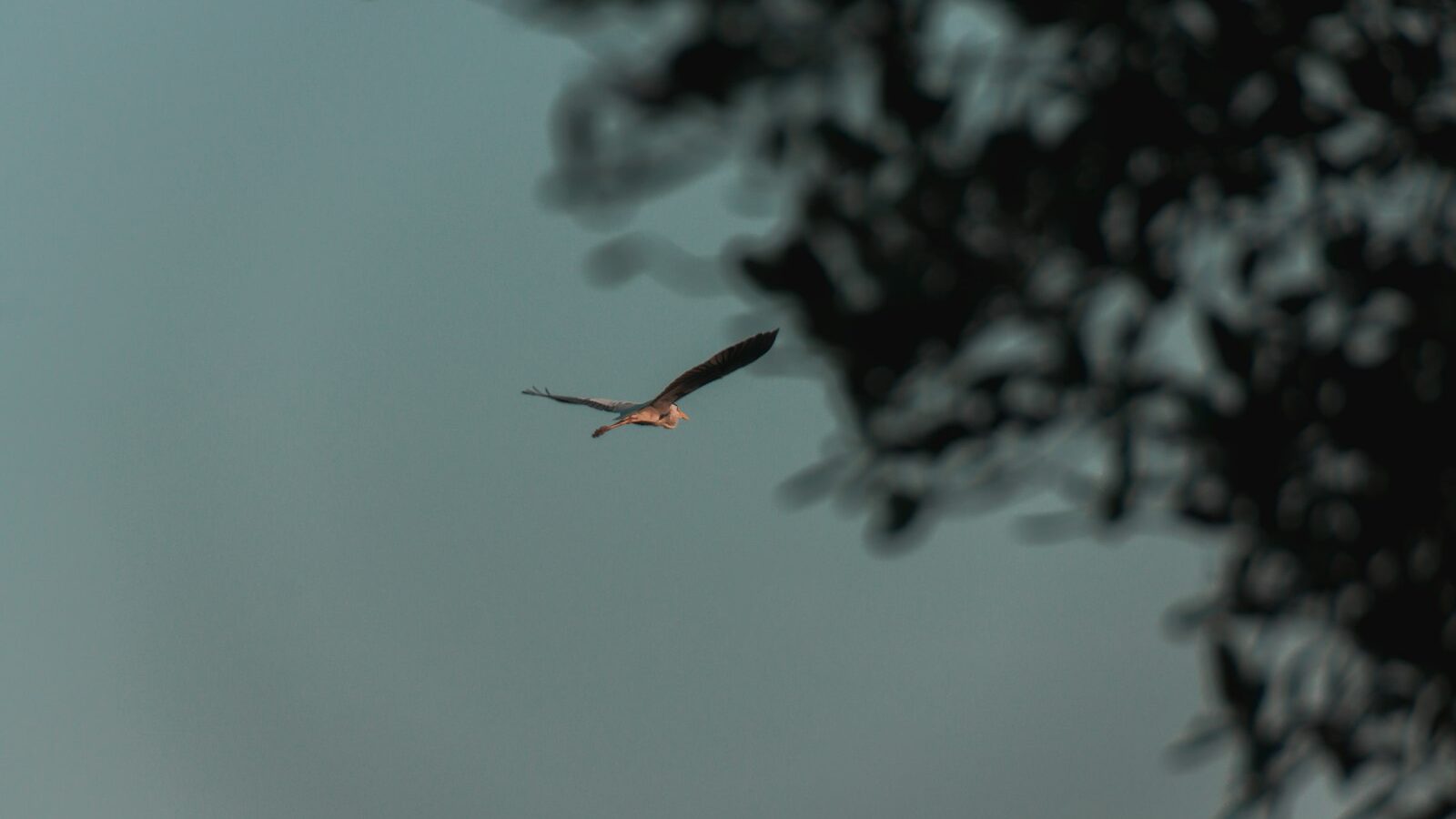
A haven for nature and wildlife, Sungei Buloh Wetland Reserve is Singapore’s premier wetland nature reserve, rich with mangroves and birdlife. This guide covers what to expect, the wildlife and mangroves, tips for your visit, and who it suits.
What to expect
Sungei Buloh Wetland Reserve is Singapore’s premier wetland nature reserve, a haven of mangroves, mudflats and wetland habitats rich with wildlife. It offers a tranquil, immersive nature experience along trails and boardwalks that wind through the mangroves and wetlands, allowing visitors to observe the reserve’s diverse birdlife and other wildlife in a peaceful, scenic setting. Especially noted for birdwatching, the reserve is an important habitat and a rewarding destination for nature lovers, birdwatchers and those seeking a quiet escape into nature. The wetland setting gives it a distinctive character different from Singapore’s forest parks. Understanding what to expect, a tranquil wetland reserve of mangroves and wildlife, especially prized for birdwatching, helps you approach a visit ready to enjoy the peaceful nature, diverse birdlife and distinctive mangrove scenery of one of Singapore’s most important and rewarding nature reserves.
The wildlife and mangroves
| Element | What it offers |
|---|---|
| Mangroves | Distinctive wetland habitat |
| Birdlife | A haven for birdwatching |
| Other wildlife | Diverse wetland creatures |
| Trails and boardwalks | Immersive nature access |
The heart of Sungei Buloh is its mangrove and wetland habitat, a distinctive environment that supports diverse wildlife and offers scenery quite different from Singapore’s forests and parks. The reserve is especially celebrated for its birdlife, making it a premier birdwatching destination where visitors may observe a variety of birds, particularly rewarding at certain times. Beyond birds, the wetlands are home to other wildlife adapted to the mangrove environment, adding to the interest. Trails and boardwalks carry visitors through the habitats, offering immersive access while protecting the environment. Understanding the wildlife and mangroves helps you appreciate the distinctive wetland character of the reserve and its richness as a wildlife habitat, and to look forward to the birdwatching and nature observation that make Sungei Buloh such a rewarding destination for nature lovers.
Tips for your visit
To make the most of a visit to Sungei Buloh, some preparation helps. Consider visiting during cooler hours and at times good for wildlife activity, and move quietly and patiently to increase your chances of observing birds and other wildlife. Bring water, sun protection and insect repellent, wear comfortable clothing and footwear, and be prepared for heat, humidity and the wetland environment. Binoculars can greatly enhance birdwatching. Be respectful of the wildlife and habitat, keep noise down, follow reserve guidelines, and stay on trails and boardwalks. Check current information on access, opening hours and any advisories before you go. Understanding these tips helps you enjoy a peaceful, rewarding visit, coming prepared for the wetland setting, observing wildlife respectfully and patiently, and making the most of the birdwatching and nature that Sungei Buloh offers.
Who it suits
Sungei Buloh suits nature lovers, birdwatchers and those seeking a tranquil escape into nature. Birdwatchers especially prize the reserve as a premier destination. Nature lovers can appreciate the distinctive mangrove habitat, wildlife and peaceful scenery. Those seeking quiet, immersive nature away from busier attractions will find it rewarding. Families and casual visitors interested in nature can enjoy the trails and boardwalks and the chance to observe wildlife, bearing in mind the reserve rewards a patient, quiet approach. It is best suited to those who appreciate calm, observation and nature rather than active thrills. Understanding who it suits, essentially nature lovers, birdwatchers and those seeking tranquillity, helps you decide if it fits your interests, and to approach a visit in the patient, observant spirit that makes Sungei Buloh so rewarding.
Making the most of it
To make the most of Sungei Buloh, embrace its tranquil, observational nature. Move slowly and quietly, take time to watch for birds and wildlife, and enjoy the peaceful mangrove scenery rather than rushing through. Visiting during cooler hours and good times for wildlife activity, and bringing binoculars for birdwatching, greatly enriches the experience. Appreciate the distinctive wetland environment and the sense of escape it offers from the city. Combine your visit with a mindful, unhurried appreciation of nature. Understanding how to make the most of it helps you experience the reserve as it is best enjoyed, patiently and quietly, so you come away refreshed by the birdlife, wildlife and tranquil beauty of one of Singapore’s most distinctive and important nature reserves.
The takeaway
Sungei Buloh Wetland Reserve is Singapore’s premier wetland nature reserve, a tranquil haven of mangroves, wetlands and wildlife especially celebrated for birdwatching. Through trails and boardwalks winding among the mangroves, it offers a peaceful, immersive nature experience and the chance to observe diverse birdlife and other wildlife in a distinctive setting quite different from the city’s forests and parks. It suits nature lovers, birdwatchers and those seeking a quiet escape, rewarding a patient, observant approach. Some preparation, visiting in cooler hours, bringing binoculars, and moving quietly, helps you make the most of it. For current access, hours and advisories, check official information before you go.
Getting there and planning your route
Sungei Buloh sits in the north-west of Singapore, a fair distance from the city centre, so it pays to plan your journey rather than leaving it to chance. The reserve is managed by the National Parks Board (NParks), and it is worth checking the NParks website or the NParks app for the current entrance points, trail closures and opening hours before you set off, as these can change with maintenance works or high-tide conditions. There are separate access areas within the wider wetlands, so confirm which entrance matches the trails and boardwalks you intend to walk.
- By public transport: the reserve is not directly beside an MRT station, so most visitors combine the train with a bus or a short ride for the final stretch. Check current bus routes and timings on the LTA or TransitLink journey planner, and allow buffer time, as services to this quieter part of the island can be less frequent than in town.
- By car: parking is available near the entrances, but it can fill up on weekends and public holidays. Arriving early gives you both a parking spot and the cooler, more active wildlife hours.
- Timing your loop: decide in advance how long a route you want, as the trails and boardwalks vary in length. A shorter loop suits families and casual visitors, while keen birdwatchers may want a longer, slower circuit with time to pause and observe.
Planning your route in advance means you spend your visit watching wildlife rather than working out where to go, and it helps you match the walk to your fitness, the weather and the time you have.
Common mistakes to avoid
A little foresight prevents the small missteps that can take the shine off an otherwise peaceful visit to the wetlands. Because Sungei Buloh rewards patience and quiet, the most common mistakes tend to be about pace, preparation and respect for the habitat rather than anything complicated.
- Arriving in the midday heat: the hottest part of the day is both uncomfortable and quiet for wildlife. Aim for cooler morning hours when birds and other creatures are more active.
- Moving too fast and too loudly: rushing along the boardwalk and chatting loudly is the surest way to see very little. Slow down, keep noise low, and let the wildlife come to you.
- Under-packing: forgetting water, sun protection or insect repellent in a hot, humid mangrove setting can cut a visit short. Comfortable footwear and, for birdwatchers, a pair of binoculars make a real difference.
- Straying off the trails: stepping off boardwalks or approaching wildlife too closely disturbs the habitat and can be unsafe. Stay on marked paths and follow the reserve guidelines and any on-site signage.
- Not checking conditions first: tides, weather and occasional advisories all shape the experience. Confirm current information from official NParks channels before you travel so you are not caught out by a closure or a wet-weather warning.
Avoiding these pitfalls keeps your visit calm, comfortable and rewarding, and it protects the reserve so that its birdlife, mangroves and quiet character remain for the next visitor to enjoy.
Explore more: Coney Island: a nature guide · Nature and bird watching in Singapore · The best parks in Singapore